
Ethiopian Coffee2021-11-14
埃塞俄比亚西达摩红樱桃咖啡豆冲煮技巧 手冲咖啡萃取教学
以埃塞俄比亚西达摩白樱桃咖啡豆为对象,给出15克粉、1比16粉水比、93度水温与V60滤杯的手冲参数,说明浅烘水洗豆的研磨度设置与注水节奏,读者可照着这套萃取思路,冲出柠檬、杏子与抹茶香气,感受甘甜顺滑的口感。
以埃塞俄比亚西达摩白樱桃咖啡豆为对象,给出15克粉、1比16粉水比、93度水温与V60滤杯的手冲参数,说明浅烘水洗豆的研磨度设置与注水节奏,读者可照着这套萃取思路,冲出柠檬、杏子与抹茶香气,感受甘甜顺滑的口感。

介绍埃塞俄比亚利姆(Limu)产区的海拔范围、田园与半森林咖啡种植系统及原生品种,说明其水洗处理、G2出口等级与花香水果调性,并对比耶加雪菲与西达莫的酸质差异,呈现这一均衡型产区的风味轮廓。
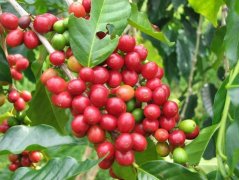
哈拉是埃塞俄比亚历史悠久的精品咖啡产区,以传统日晒法和狂野的摩卡风味著称。文章介绍哈拉的海拔范围、田园咖啡系统、采收期与长身豆特征,梳理其巧克力、莓果与发酵酒香的风味来源,并提醒购买时留意瑕疵豆与分级问题,适合想深入了解埃塞产区的读者。

The origin story behind Starbucks Ethiopian coffee beans reveals the varieties, growing regions, and intellectual property disputes of coffee's birthplace. The article moves from forest ecosystems such as Kaffa and Sidamo to the gap between prices paid to farmers and international selling prices, outlining the real-world situation documented by Oxfam so readers can see the industry chain behind a cup of coffee.

The flavor and taste of Lion King coffee beans from Ethiopia's Sidamo region are closely tied to the local volcanic soil, microclimate, and heirloom varieties. This article introduces the region's terrain and soil conditions, explains its distinct sweetness and diverse flavor profile, and helps readers understand this specialty coffee.

西达摩是埃塞俄比亚著名咖啡产区,多样的土壤、微气候与原生种让各城镇的咖啡风味差异明显,曾在专业评测中连续获得高分。文章介绍该产区的风土条件,以及希尔莎合作社这支咖啡豆的风味特点与产地背景。