In the 17th and 18th centuries, merchants used sailing ships to transport Indian coffee to Europe. The voyage took at least half a year. The green beans absorbed moisture and saltiness from the sea all the way in the bottom of the cabin. Upon arrival, the green color had faded and the fruity acidity had almost disappeared, but they unexpectedly took on nutty and grainy notes, tasting a bit like genmaicha. After the Suez Canal opened, the voyage was shortened, and this flavor instead disappeared, so exporters recreated the golden-yellow Monsoon Coffee by harnessing the salty, humid monsoon along the Malabar coast.
Professional coffee knowledge exchange. For more coffee bean information, please follow Coffee Workshop (WeChat official account cafe_style)
What kind of country is India? Actually, it still cannot escape the title of the legendary over-the-top nation in your imagination. Indeed, many people do not know that India produces coffee beans, right! India's coffee bean processing method is also something else entirely—it uses sea breeze for processing. Would you believe that?
India, the earliest country in Asia to grow coffee
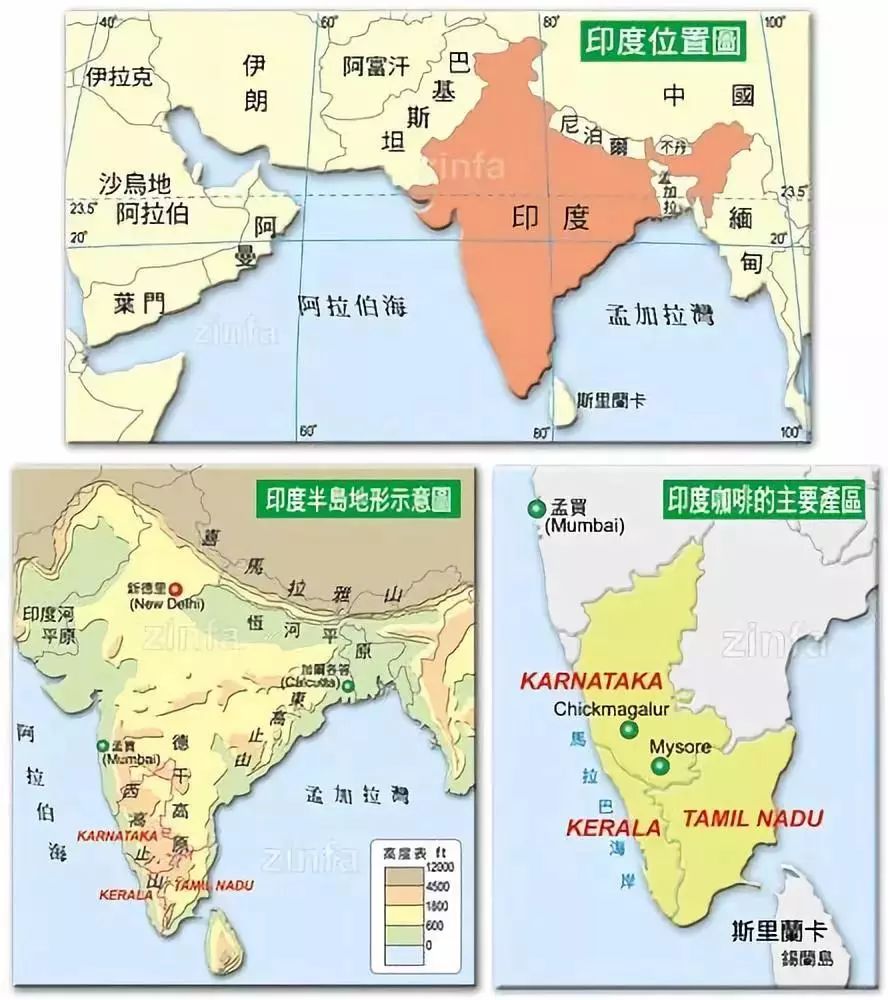
Around 1600, an Indian Muslim named Baba Budan went on a pilgrimage to Mecca and, on the way, secretly carried seven coffee seeds back to India from Mocha. He planted them in the Chikmagalur mountain area of Karnataka in southwestern India, where he practiced, opening the way for India's coffee cultivation industry.
How did the special flavor of Indian coffee come about?
Monsooned coffee was a flavor created by accident. In the 17th and 18th centuries, merchants used sailing ships to transport coffee from India to Europe. A single trip took at least half a year. The green coffee beans were placed in the bottom of the cabin and absorbed moisture and saltiness from the sea the whole way. There were even cases where they were soaked by seawater, then dried, and then soaked wet again.
As one can imagine, by the time the green beans reached Europe they had already deteriorated. The green color of the coffee had completely faded and begun to turn yellow, the fruity acidity of the coffee had almost disappeared, and nutty and grainy notes unexpectedly appeared, tasting a bit like genmaicha. Unexpectedly, Europeans actually fell in love with this golden-yellow alternative coffee from across the ocean.
However, in 1869, an important historical event—the opening of the Suez Canal—took shipping from the age of sail into the age of steamships, greatly shortening the voyage from India to Europe. Perhaps because they had grown accustomed to being mistreated by this flavor, European customers began to complain that "Indian coffee has lost its flavor," and orders plummeted. Only then did Indian exporters feel something was wrong and begin researching how to solve the problem.
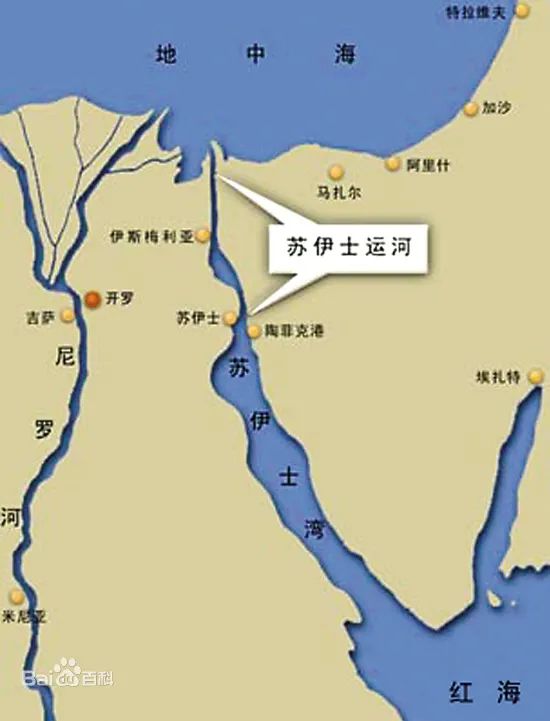
Later it was discovered that because the time for coffee shipped to Europe had been shortened by more than half, there was not enough time for it to mature and "transform," so it lost its original flavor. Exporters then thought of the salty, humid monsoon that blows in from the Indian Ocean along the Malabar coast of India from late May to September each year, much like the salty, humid environment in the cabin. Experiments indeed produced a golden-yellow coffee similar to the earlier one, so it was named "Monsoon Coffee," commonly known as monsooned coffee.
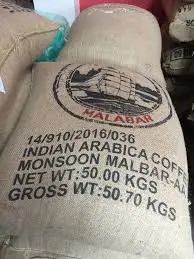
There are very few Indian coffee brands, usually only two: Monsooned Malabar and Mysore Nuggets. Monsooned Malabar green beans are very dry and yellow in color, with a sweet flavor but somewhat monotonous, because they are placed in ventilated warehouses to be buffeted by the Indian Ocean monsoon for several seasons before shipment, so they have no acidity, but the flavor is also somewhat lacking; Mysore, however, consists of green fresh green beans, with a richer flavor, carrying woody and grassy aromas, high body and low acidity, and a sweet taste.
Indian Coffee—Monsooned Malabar
Monsooned coffee was a new flavor created by accident. From the 17th to the 18th century, India used sailing ships to transport coffee beans to Europe, and one trip took six months. The green beans were placed in the bottom of the hold and absorbed the moisture and saltiness of the sea. By the time the green beans arrived in Europe, they had deteriorated. Their color had changed from dark green to the yellow-brown of rice grains, the fruity acidity of the coffee had almost disappeared, yet rich nutty and grainy flavors had unexpectedly developed. It tasted full-bodied, somewhat like genmaicha. Northern Europeans loved this golden-yellow alternative coffee.
In 1869, the Suez Canal opened, and with the advent of steamships, the voyage time from India to Europe was shortened, but customers began to complain that Indian coffee had "lost its flavor" and had lost its former alluring golden yellow color and nutty taste. Orders plummeted, and Indian exporters began to study solutions. It turned out that the coffee shipped to Europe had its travel time shortened by more than half, leaving no time for it to mature and "transform," thus losing its original flavor. So exporters thought of the salty, humid environment brought by the Indian Ocean along the southwestern Malabar coast from late May to September each year.
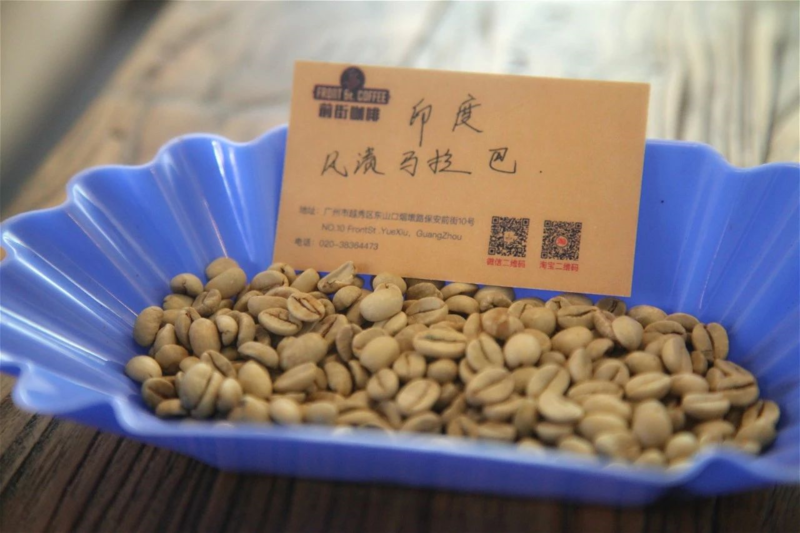
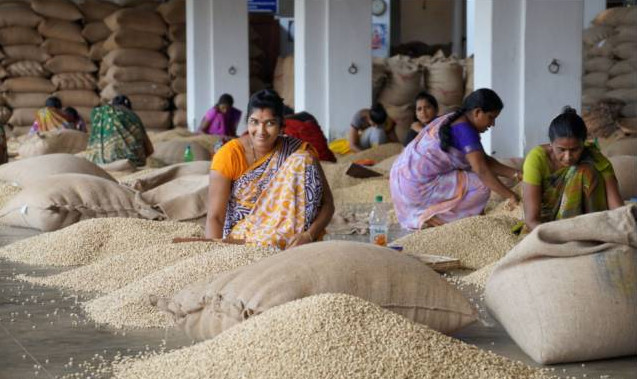
After repeated experiments, they indeed produced a golden-yellow, acid-free coffee similar to the old style, so it was named "Monsoon Coffee," commonly known as monsooned coffee. At present, the production method for monsooned beans is to first select good green beans and transport them to a coastal monsooning yard, spread them out to receive the humid southwest monsoon, and have experienced workers turn them frequently so the beans are evenly exposed to the wind. This process lasts four to sixteen months. The coffee beans will swell to nearly twice their size, and their color will turn yellowish-white, becoming the unique Indian coffee Monsooned Malabar.
How is the monsooning process done?
Monsoon coffee needs naturally sun-dried beans. The warehouse where the beans are stored faces west, and the coffee beans are spread flat inside with all the windows open so as to catch the salty, humid southwest monsoon. After reaching a certain degree, they are put into bags, but the coffee beans cannot be packed too full, and the coffee bags cannot be stacked too tightly either, lest poor ventilation cause mold. The coffee beans must also be poured out from time to time and the burlap bags changed to prevent mold growth, which is quite time-consuming and labor-intensive. This period is about twelve to sixteen weeks. After maturation, they must also undergo a smoking treatment to repel weevils, and finally manual screening is required to pick out the failed beans that have not turned golden yellow. After at least 6 months to a year of monsoon winds, the quality and quantity of the beans undergo major changes. The volume of the coffee beans expands one to two times, weight and density decrease, and the moisture content is about 13%.
Product name: Indian Coffee Monsooned Malabar
Origin / Estate: Malabar Estate
Production geographical environment: altitude above 1000 meters
Processing method: monsooned, sun-dried
Taste: obvious sweetness, thick sticky body with quite good oily feel, chocolate sweetness, biscuit, fruity sweetness
[FrontStreet Coffee roasting suggestions]
This coffee has average bean density. Roast with medium heat and a steady rise. The yellowing point is around 4 minutes 50 seconds, then lower the heat and open the damper to enter the Maillard reaction. At first crack, open the damper wide, maintain the heat, at about 184.4°C, and drop the beans 2 minutes 30 seconds after first crack.
Roaster: Yangjia 600g semi-direct fire
Preheat the roaster to 200°C and load the beans, set the damper to 3, turn on the heat after 30S, adjust the heat to 160, turning point 1'25", maintain the heat, yellowing at 4'50", grassy smell disappears, entering the dehydration stage, lower the heat to 140, open the damper to 4, and when it reaches 168°C lower the heat again to 110.
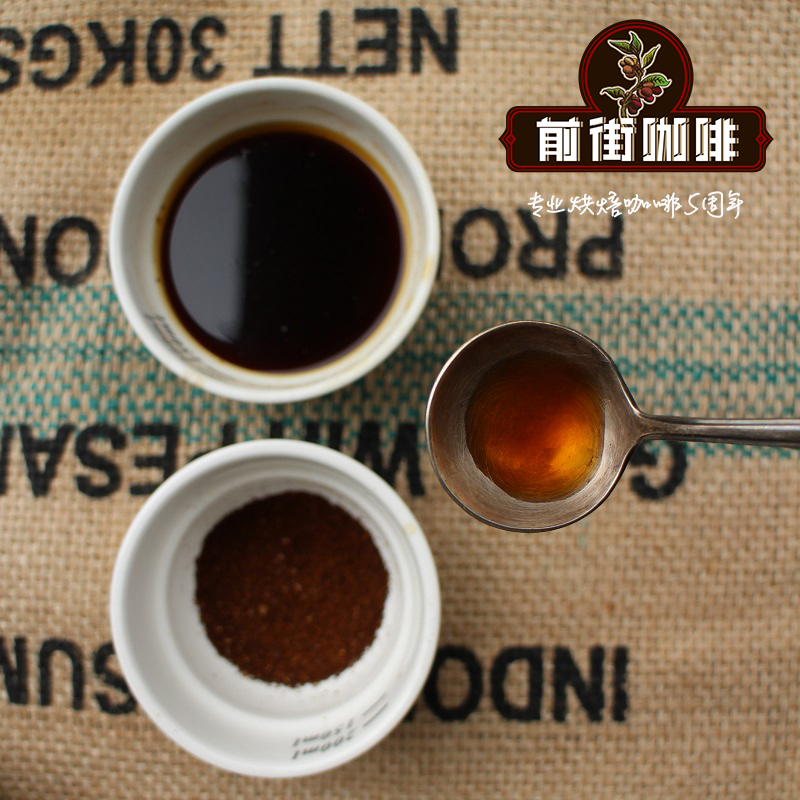
Dehydration is completed at 8 minutes. Wrinkles and dark streaks appear on the bean surface, and the toast aroma turns into coffee fragrance, which is the prelude to first crack. At this time keep the heat unchanged, open the damper to 5, and pay attention to listening for the sound of first crack. At 8'55" first crack begins, damper fully open to 5. Post-first-crack development time is 2 minutes 30 seconds, and the beans are dropped at 197.8°C.
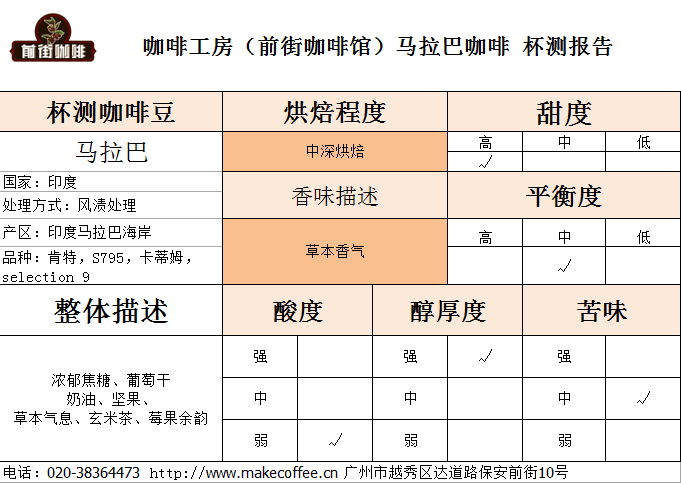
[FrontStreet Coffee cupping report]
[FrontStreet Coffee brewing suggestions]
Dripper: KONO
Water temperature: 83°C
Water-to-coffee ratio: 1:15
[FrontStreet Coffee brewing method]
Method: bloom with 30 grams of water, blooming time 30s
Stages: pour water to 125g and stop, then pour with a slightly larger stream to 225g, extraction time 2 minutes.
[Flavor description]
Rich caramel, raisin, herbal notes, with a mouthfeel like genmaicha and a berry finish.

Light Roast Pour-Over Floral Coffee Beans Recommendation: Qianjie Yirgacheffe Gedeo Dingding, Qianjie Panama Hacienda La Esmeralda Green Label Geisha Coffee Beans, QianjiePanama Butterfly Coffee Beans
Daily medium-light roast Yirgacheffe pour-over floral coffee bean recommendation, Qianjie Yirgacheffe Guddina, light roast brings the signature white floral notesAromatic, with lemon-citrus fruit notes and a refreshing floral tea note; bright and crisp on the palate. Great value and an ideal entry-level pour-over coffee with floral and fruity notesAn unrivalled choice.
Moka pot, home espresso, and espresso-based milk drinks like latte — recommended beans: Qianjie Classic Espresso Blend, using BrazilianWest, with Mandheling Arabica and a small amount of Vietnamese Robusta fully blended, delivering a rich and outstanding espressocrema; overall style is rich and memorable. Qianjie Brazil Queen's Estate coffee beans and Qianjie Classic Espresso Blend coffee beans are both mochaA highly recommended option for pot-style espresso machines.
Fruity-floral signature espresso latte bean recommendation: Qianjie Strawberry Candy espresso blend, featuring strawberry gummy and rose aromas,Full-bodied sweetness with a grape and almond finish; especially stunning as an iced latte. Made from Costa Rican honey-process beans, PanamaBlended from Panama Geisha coffee beans and select beans from Colombia's Huila region. Not only does it overturn traditional espresso flavor, the cremaalso performs well, with impressive showings in creative specialty drinks.
Now available on Taobao store「 Qianjie Coffee 」To purchase the above coffee beans, Qianjie Coffee offers dozens of selected single-origin pour-over and espresso coffee beans from around the world. Qianjie CoffeeQianjie Coffee is a veteran specialty coffee roaster; beans are freshly roasted within 5 days, with consistent quality and highly competitive pricesGreat value, ships within 24 hours. Qianjie Coffee is recommended by many coffee lovers and platforms.
Taobao Qianjie Coffee Link: https://qianjiecoffee.taobao.com
Or search our shop directly on Taobao 「Qianjie Coffee」
Qianjie Coffee Store Address: 315 Donghuadong Road, Yuexiu District, Guangzhou
Follow our official account Qianjie Coffee to learn more about coffee
Site Recommendations:
耶加雪菲
花魁咖啡
瑰夏咖啡
波旁咖啡
蓝山咖啡
天堂鸟咖啡豆
曼特宁咖啡豆
PWN黄金曼特宁
星巴克菜单
咖啡豆种类
Please indicate the source when reprinting.
2018-07-26 21:46:56