World coffee is broadly divided into three major producing regions: Africa, the Americas, and Asia, all of which can be traced back to Ethiopia. The flavor of Asian coffee is dominated by spices and herbal plants, and its mouthfeel has its own character. In China, places such as Baoshan in Yunnan already have large-scale coffee cultivation. Initially, Typica was planted, but due to low yield and poor disease resistance, coffee farmers turned to Catimor. Today, most Yunnan coffee is of this variety, and it has been widely promoted in the Dehong, Baoshan, and Pu'er areas. Baoshan's dry-hot valley climate and mineral-rich red volcanic ash soil have produced Yunnan small-bean coffee that is strong but not bitter, with a slight fruity note.
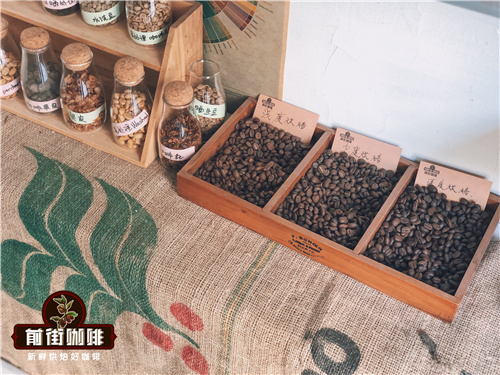
For professional coffee knowledge exchange and more coffee bean information, please follow Coffee Workshop (WeChat public account: cafe_style )
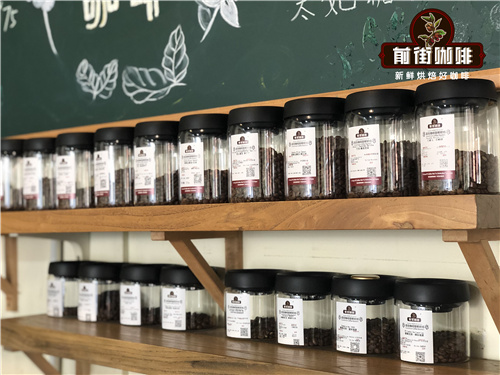
Front Street has coffee cultivation in China as well, located in areas such as Baoshan, Yunnan. In recent years, Yunnan coffee has become very popular, and sales of Yunnan coffee have continued to rise. Yunnan initially planted the Typica variety, but because Typica's yield is not high and its disease resistance is relatively poor, Yunnan coffee farmers were unwilling to grow Typica. Instead, the Catimor variety became widely welcomed by Yunnan coffee farmers, so most Yunnan coffee today is Catimor.
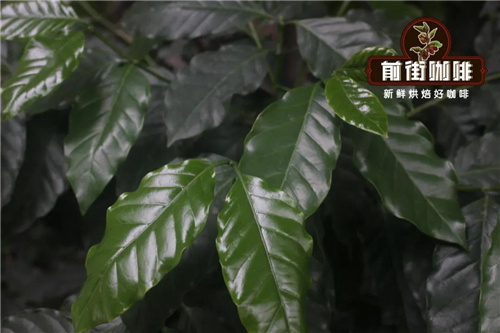
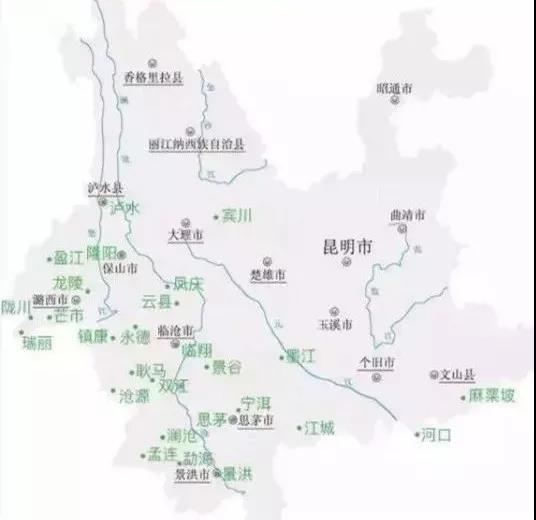
Catimor is mainly planted in Yunnan Province in Dehong, Baoshan, Pu'er, and other places for large-scale promotion, and is also being vigorously promoted in Panzhihua, Sichuan, and in Myanmar. Yunnan is above 1,200 meters above sea level, with abundant annual rainfall, fertile soil, and loose texture. Baoshan in Yunnan in particular has a dry-hot valley climate that is very suitable for coffee cultivation. Because Yunnan is located between 15 degrees north latitude and the Tropic of Cancer, mostly in high-altitude areas, it has high temperatures year-round, large temperature differences between day and night, suitable rainfall, sufficient sunlight, and mineral-rich red volcanic ash soil. These unique natural conditions have formed the particular character of Yunnan small-bean coffee, so the coffee produced here is of excellent quality, mellow in aroma, strong but not bitter, fragrant but not harsh, with a slight fruity note. China's Yunnan coffee has great potential. Baoshan has now become one of China's largest coffee seed bases and important producing areas.
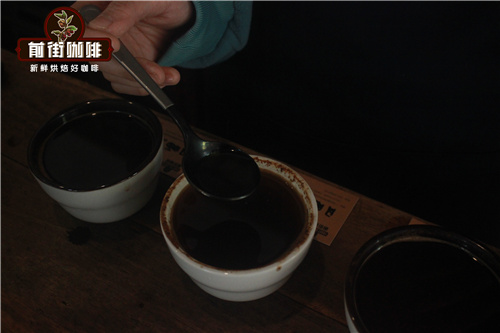
Front Street generally cups the roasted coffee beans, judging the coffee's flavor from aroma, acidity, body, cleanliness, and aftertaste. Front Street conducts cupping within eight to 24 hours after roasting this Yunnan coffee bean, when the cupping results are most accurate. It weighs 11.3 grams of coffee grounds, then after the dry aroma stage, adds 94-degree hot water, and within four minutes performs the wet aroma step, then breaks the crust and skims the grounds, and can then taste the flavor of this Front Street 2013 Typica coffee.
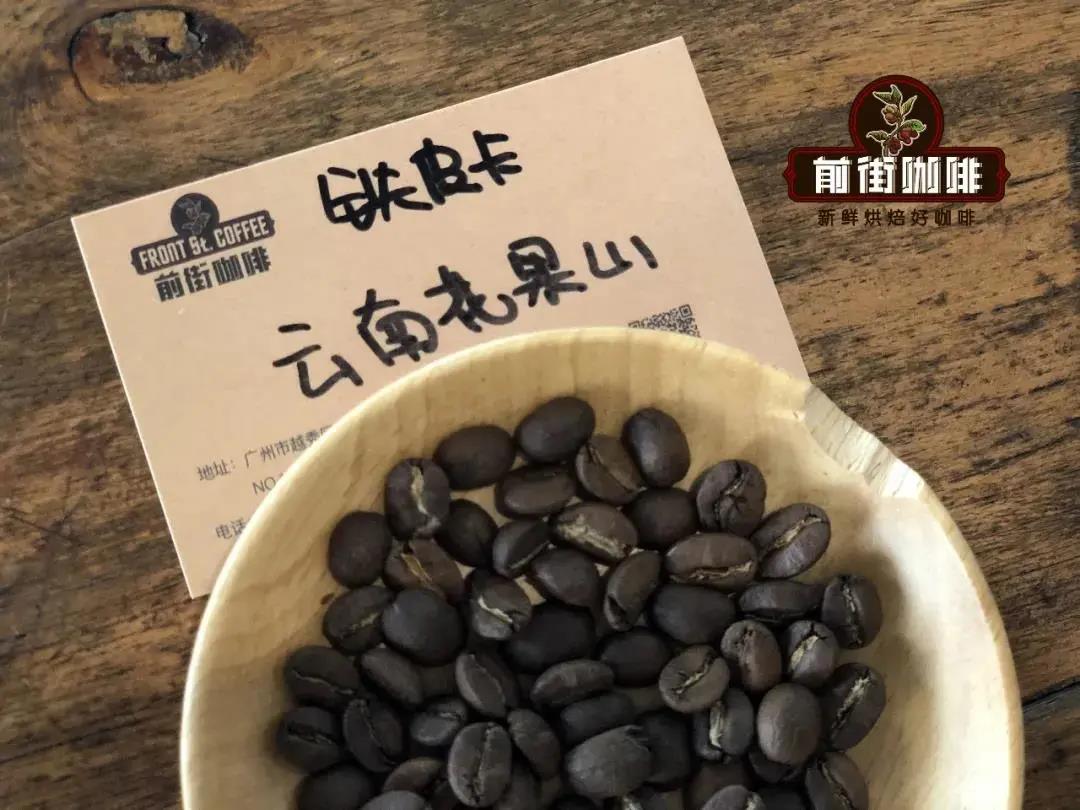
Therefore, from the cupping results, Front Street concluded that when brewing Yunnan coffee, a KONO dripper is used, because the KONO dripper's ribs are shorter, so the coffee extraction time is longer. In this way, the coffee grounds soak for a relatively long time, making it very suitable for extracting coffee with a fuller body like Asian coffee. The water temperature is 88 degrees because, with lower water temperature, coffee substances are extracted more slowly, making it very easy to extract the coffee's full-bodied mouthfeel. As for the coffee-to-water ratio, Front Street generally uses 1:15 to brew this Yunnan coffee.
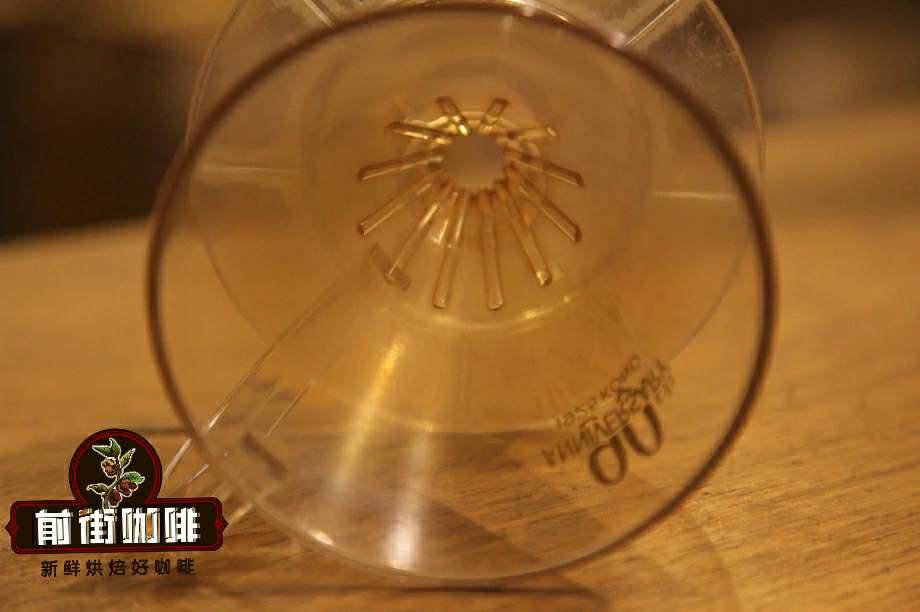
Front Street uses a three-stage method to brew this Asian Yunnan coffee: first use 30 grams of water for blooming, then use a small stream of water in a circular pour up to 125 grams for the first stage; when the water level drops to expose the coffee bed, continue pouring until 225 grams, then stop pouring and remove the dripper. The Yunnan coffee brewed this way has roughly the same flavor as the cupped coffee, overall balanced and rich, with soft acidity and a slight nutty flavor.
When it comes to representative coffee from Asia, one must mention Mandheling coffee from Sumatra, Indonesia. Strangely enough, Yunnan and Indonesia, as representatives of Asian coffee, both initially planted Typica. For Indonesian Mandheling coffee, the Dutch first began planting on Java, and then because of transportation reasons, Sumatra's transportation was more convenient, so coffee was transplanted to Sumatra. The coffee produced here is called Sumatra coffee, also known as Mandheling coffee.
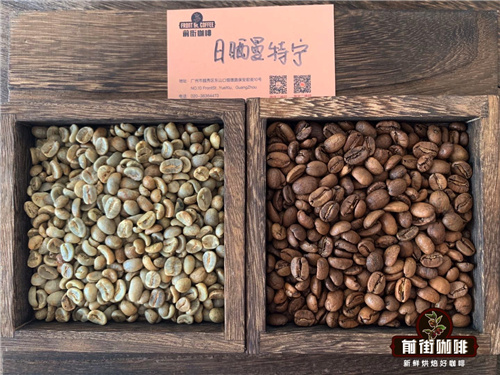
When Asian coffee is mentioned, everyone's impression is that, compared with the world's three major coffee producing regions, its mouthfeel is fuller, and Mandheling is famous for its full body and rich herbal flavor. Indonesian coffee varieties are somewhat similar to Yunnan coffee cultivation: both initially mostly planted Typica, and then because Typica has low yield and is susceptible to leaf rust infection, the high yield of Catimor became more welcome in Indonesia. The flavor of the Catimor variety is not highly regarded by everyone; for example, in his books Han Huaizong often calls the flavor of the Catimor variety devil-like, but when Catimor is planted in Indonesia, it adapts very well to Indonesia's humid and hot weather, and the Asian coffee beans produced have a very good mouthfeel. Of course, Front Street understands that Catimor's coffee flavor is also related to the wet-hulling method used locally in Indonesia.
The processing method for Mandheling green beans is generally wet hulling. This processing method gives the coffee beans a wet-hulled flavor. We generally believe that wet hulling carries earthy notes, smoky notes, and chocolate notes, while the acidity is called "low acidity," full-bodied yet very dull. Wet hulling, also called wet shelling, is the traditional Indonesian coffee processing method. Coffee processed this way is usually full-bodied and intense, with a very distinct character. Therefore, Front Street's Mandheling coffee has an herbal flavor on the palate, with black chocolate and caramel; the flavor is relatively pronounced, with a sweet aftertaste.
Places like Yunnan and Indonesia are all located between the Tropic of Cancer and the Tropic of Capricorn, generally called the coffee golden belt. The distribution of the world's coffee producing regions is mainly located between these tropics, and the world's three major coffee producing regions are all located within the coffee golden belt. There is also Vietnamese coffee. Vietnam is Asia's largest coffee-producing country, and Vietnam's coffee output continues to grow, but most of the exported coffee is Robusta, mostly used for commercial coffee.

Light Roast Pour-Over Floral Coffee Beans Recommendation: Qianjie Yirgacheffe Gedeo Dingding, Qianjie Panama Hacienda La Esmeralda Green Label Geisha Coffee Beans, QianjiePanama Butterfly Coffee Beans
Daily medium-light roast Yirgacheffe pour-over floral coffee bean recommendation, Qianjie Yirgacheffe Guddina, light roast brings the signature white floral notesAromatic, with lemon-citrus fruit notes and a refreshing floral tea note; bright and crisp on the palate. Great value and an ideal entry-level pour-over coffee with floral and fruity notesAn unrivalled choice.
Moka pot, home espresso, and espresso-based milk drinks like latte — recommended beans: Qianjie Classic Espresso Blend, using BrazilianWest, with Mandheling Arabica and a small amount of Vietnamese Robusta fully blended, delivering a rich and outstanding espressocrema; overall style is rich and memorable. Qianjie Brazil Queen's Estate coffee beans and Qianjie Classic Espresso Blend coffee beans are both mochaA highly recommended option for pot-style espresso machines.
Fruity-floral signature espresso latte bean recommendation: Qianjie Strawberry Candy espresso blend, featuring strawberry gummy and rose aromas,Full-bodied sweetness with a grape and almond finish; especially stunning as an iced latte. Made from Costa Rican honey-process beans, PanamaBlended from Panama Geisha coffee beans and select beans from Colombia's Huila region. Not only does it overturn traditional espresso flavor, the cremaalso performs well, with impressive showings in creative specialty drinks.
Now available on Taobao store「 Qianjie Coffee 」To purchase the above coffee beans, Qianjie Coffee offers dozens of selected single-origin pour-over and espresso coffee beans from around the world. Qianjie CoffeeQianjie Coffee is a veteran specialty coffee roaster; beans are freshly roasted within 5 days, with consistent quality and highly competitive pricesGreat value, ships within 24 hours. Qianjie Coffee is recommended by many coffee lovers and platforms.
Taobao Qianjie Coffee Link: https://qianjiecoffee.taobao.com
Or search our shop directly on Taobao 「Qianjie Coffee」
Qianjie Coffee Store Address: 315 Donghuadong Road, Yuexiu District, Guangzhou

Site Recommendations: 耶加雪菲 花魁咖啡 瑰夏咖啡 波旁咖啡 蓝山咖啡 天堂鸟咖啡豆 曼特宁咖啡豆 PWN黄金曼特宁 星巴克菜单 咖啡豆种类
Please indicate the source when reprinting.
2018-09-02 20:56:55
