Espresso originated in Italy in the late 19th and early 20th centuries. It uses high temperature and high pressure to extract a concentrated cup in a short time, which also determines that Italian coffee beans tend to be roasted darker. Single-origin beans are suitable for pour-over to showcase the regional personality, while Italian coffee relies more on blending multiple coffee beans so that acidity, bitterness, sweetness, and body complement one another. Common milk coffees such as lattes and cappuccinos are built precisely on this logic of blending and extraction.
For more specialty coffee knowledge, please follow the WeChat official account: FrontStreet Coffee
Italy is a romantic country full of artistic atmosphere. When traveling in Italy, you must order a local latte or cappuccino and enjoy the rich mouthfeel brought by milk coffee. Among the guests who come to FrontStreet Coffee to chat about everyday life, many are coffee lovers, and everyone often shares and exchanges coffee culture together. Among these conversations, the topic of Italian coffee has come up.
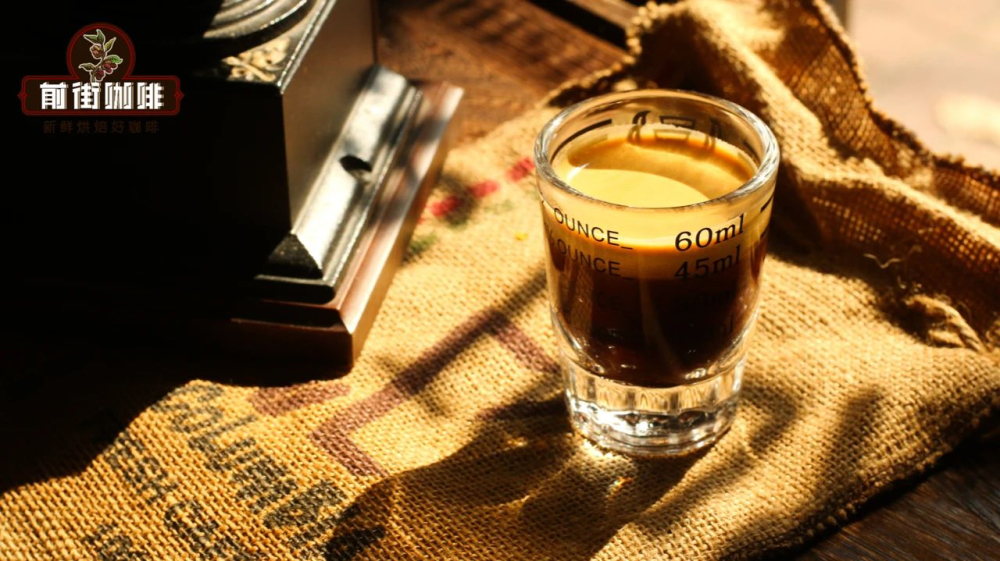
Just like the most frequently ordered item at FrontStreet Coffee, espresso is latte, which is translated from the Italian Caffe' Latte and means milk coffee in Italian. Italian coffee uses an espresso machine to extract Espresso in a short time through high temperature and high pressure. Espresso is a coffee extraction method that originated in Italy.
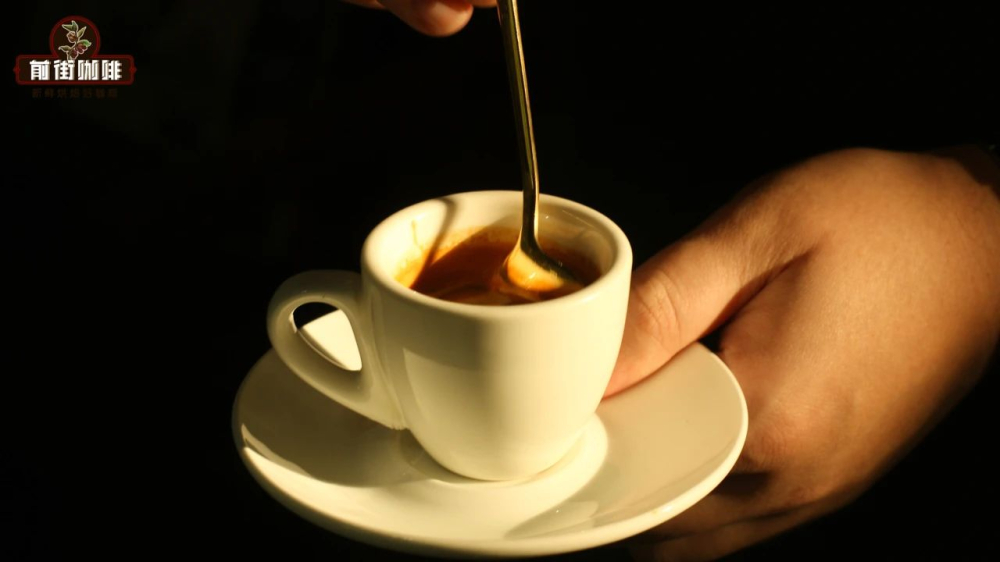
When FrontStreet generally brews single-origin coffee, it uses pour-over to present the unique flavor of a coffee's origin, while the Italian coffee everyone commonly drinks is generally not brewed by pour-over. This is because Italian coffee is blended according to the coffee flavor one wants, and Italian coffee beans are generally roasted to a darker degree, using multiple coffee beans to complement one another's coffee flavors.
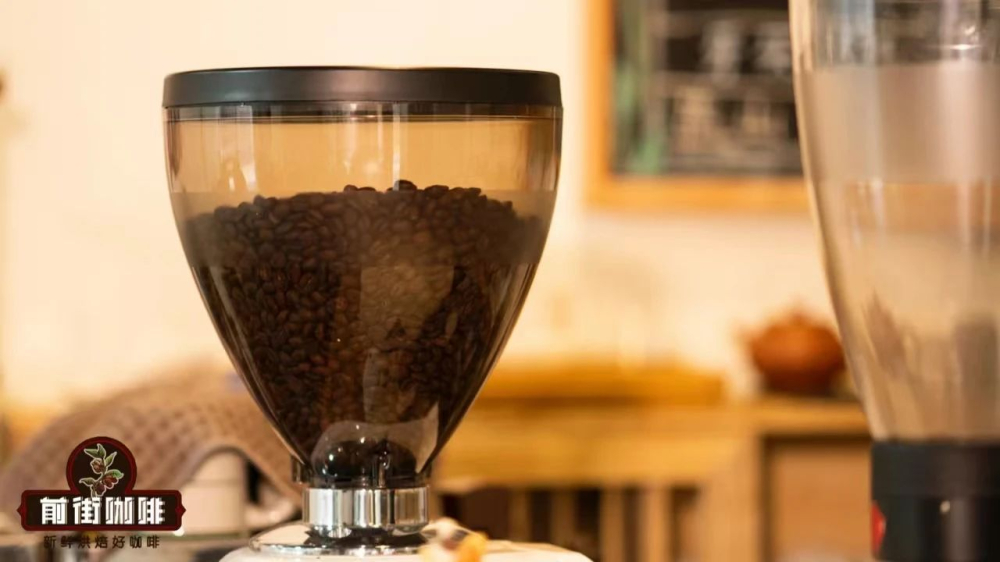
For example, the FrontStreet Italian coffee blend currently used by FrontStreet is the FrontStreet Warm Sun blend with a ratio of 7:3. It uses FrontStreet Honduras Coffee Sherry as the main note, plus FrontStreet Yirgacheffe sun-dried Red Cherry, so FrontStreet Italian coffee has a relatively rich and full mouthfeel. Since it is an Italian coffee blend, it generally refers to blending two or more coffee beans, but generally no more than six coffee beans, because if too many coffee beans are used in an Italian blend, the unique flavor of the coffee cannot be expressed. In addition, Italian coffee blends generally do not use a 1:1 blending ratio, because this may mutually suppress each other's unique flavors. Therefore, when blending, there must be a primary-secondary distinction in order to create a more wonderful taste than single-origin coffee.
When FrontStreet generally carries out Italian blending, it first determines the theme of the blend, that is, what flavor of Espresso is hoped to be extracted through the espresso machine. Therefore, this greatly tests the barista's mastery of coffee beans from each origin, because the premise of blending is first to be thoroughly familiar with the characteristics of each single-origin coffee and to understand the subtle relationship between roast degree and coffee bean flavor in order to produce a delicious cup of Italian coffee.
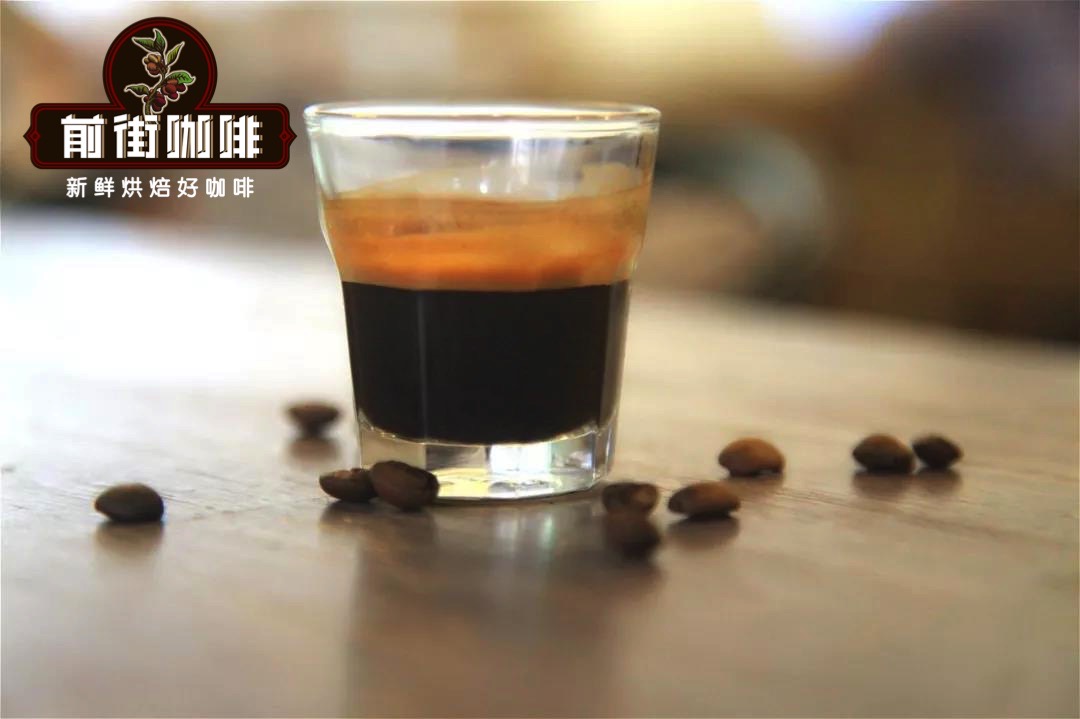
Through repeated blending and exploration, FrontStreet currently offers 4 FrontStreet Italian coffee bean blends. The FrontStreet Specialty Blend uses Colombian coffee beans paired with Brazilian coffee beans in a 3:7 ratio. The unique nutty and chocolate notes of Colombian coffee are blended with the rich peanut and creamy coffee flavors of Brazil. This FrontStreet Italian coffee blend is very balanced overall, rich in crema, extremely smooth on entry, and fragrant with a slight bitterness characteristic of the Americas.
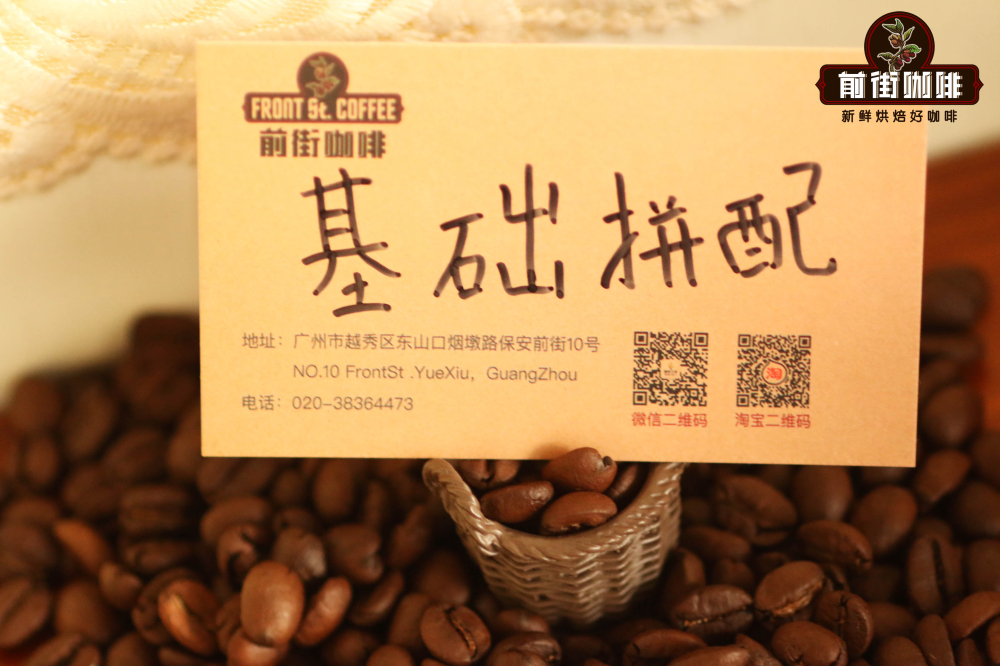
FrontStreet also has an Italian basic coffee blend made from Yunnan coffee and Brazilian coffee in a 3:7 ratio. This FrontStreet Italian coffee blend has soft fruity acidity and caramel sweetness. Therefore, Italian coffee blending is like a painter's palette, mixing different colors to compose a beautiful colorful painting. Isn't a coffee blender the same? By controlling the characteristics of each bean to complement one another, they harmonize a delicious cup of Italian coffee, which is wonderfully similar in principle.
Not every Espresso is made from blended beans. There is a type called SOE coffee, which also uses the high temperature and high pressure of an espresso machine to extract a small cup of Espresso. This SOE coffee uses single-origin coffee beans. Unlike Italian coffee beans blends, SOE coffee amplifies the characteristics of a certain bean. For example, if FrontStreet Ethiopia Yirgacheffe is used to extract SOE coffee, you will very clearly taste the lemon-citrus notes inherent to the Yirgacheffe region. If SOE coffee lacks a special flavor, lacks depth, is not strong enough, or has some flavor that is too intense, then this cup of SOE coffee is a failure.
Therefore, one of the benefits of Italian coffee blending is that the complementarity of coffee beans can be used to harmonize one another. Compared with pour-over coffee, the flavors in espresso are amplified. Perhaps everyone still cannot quite understand the mutual harmonizing of Italian coffee beans. Then FrontStreet will give a simple example. If everyone is drinking a glass of apple juice, it only has the simple sweet-and-sour taste of apples. If I want the apple juice to have a bit of creamy flavor, then I can add an avocado. At this time, the mouthfeel of this glass of juice will have the rich thickness of a milkshake and the acidity and sweetness of apples without being cloying. This is the same principle as Italian coffee blending.
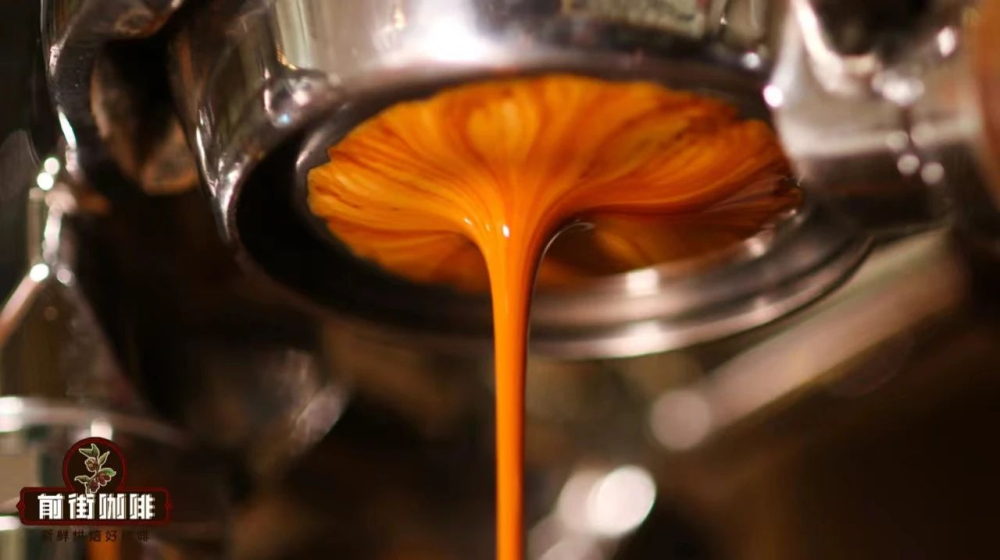
Once the Italian coffee bean recipe is ready, how to extract a delicious cup of Espresso is also very important. For example, FrontStreet Coffee currently extracts espresso with a normal extraction time of about 25 seconds to extract 40 milliliters of coffee liquid. If the flow rate is too fast, it is very likely that the grind is too coarse or the tamping pressure is too light. It also should not drip out drop by drop, because that would likely mean the grind is too fine or the tamping pressure is too great. In addition, for Espresso made by the same person under the same grind fineness and the same extraction amount, the extraction time difference should not exceed 1 second. Otherwise, it means the tamping pressure is unstable or the tamping is uneven, and the difference in coffee taste will be very obvious, so further practice is needed.
How do you know whether the extracted espresso tastes good? After completing an extraction, you can add water to make an Americano. If this Americano has no off-flavors and no astringency on entry, does not feel watery, and the bitterness quickly disappears after entering the mouth, it means the requirements for extracting espresso are basically met. This then shows that this Italian coffee blend recipe is correct. Only through repeated exploration and continuous revision of the recipe can a fragrant, rich, and full-bodied cup of Italian coffee be produced.

Light Roast Pour-Over Floral Coffee Beans Recommendation: Qianjie Yirgacheffe Gedeo Dingding, Qianjie Panama Hacienda La Esmeralda Green Label Geisha Coffee Beans, QianjiePanama Butterfly Coffee Beans
Daily medium-light roast Yirgacheffe pour-over floral coffee bean recommendation, Qianjie Yirgacheffe Guddina, light roast brings the signature white floral notesAromatic, with lemon-citrus fruit notes and a refreshing floral tea note; bright and crisp on the palate. Great value and an ideal entry-level pour-over coffee with floral and fruity notesAn unrivalled choice.
Moka pot, home espresso, and espresso-based milk drinks like latte — recommended beans: Qianjie Classic Espresso Blend, using BrazilianWest, with Mandheling Arabica and a small amount of Vietnamese Robusta fully blended, delivering a rich and outstanding espressocrema; overall style is rich and memorable. Qianjie Brazil Queen's Estate coffee beans and Qianjie Classic Espresso Blend coffee beans are both mochaA highly recommended option for pot-style espresso machines.
Fruity-floral signature espresso latte bean recommendation: Qianjie Strawberry Candy espresso blend, featuring strawberry gummy and rose aromas,Full-bodied sweetness with a grape and almond finish; especially stunning as an iced latte. Made from Costa Rican honey-process beans, PanamaBlended from Panama Geisha coffee beans and select beans from Colombia's Huila region. Not only does it overturn traditional espresso flavor, the cremaalso performs well, with impressive showings in creative specialty drinks.
Now available on Taobao store「 Qianjie Coffee 」To purchase the above coffee beans, Qianjie Coffee offers dozens of selected single-origin pour-over and espresso coffee beans from around the world. Qianjie CoffeeQianjie Coffee is a veteran specialty coffee roaster; beans are freshly roasted within 5 days, with consistent quality and highly competitive pricesGreat value, ships within 24 hours. Qianjie Coffee is recommended by many coffee lovers and platforms.
Taobao Qianjie Coffee Link: https://qianjiecoffee.taobao.com
Or search our shop directly on Taobao 「Qianjie Coffee」
Qianjie Coffee Store Address: 315 Donghuadong Road, Yuexiu District, Guangzhou

Site Recommendations: 耶加雪菲 花魁咖啡 瑰夏咖啡 波旁咖啡 蓝山咖啡 天堂鸟咖啡豆 曼特宁咖啡豆 PWN黄金曼特宁 星巴克菜单 咖啡豆种类
Please indicate the source when reprinting.
2025-07-31 16:30:03
