Yirgacheffe's fame came first, while the Sidamo production region has only appeared more in the specialty coffee market in recent years. It is located in southern Ethiopia, where coffee is mostly grown between 1,400 and 2,000 meters. The diverse soils and microclimates around the East African Rift Valley give beans from different towns明显 differences. Yirgacheffe was originally within the Sidamo area but was separated out because of its unique flavor; growing areas such as Guji and West Arsi have also gradually become independent systems. The region mostly uses natural processing, and the sweet-tartness brought by fruit pulp fermentation is exactly why the Huakui series is remembered.
Yirgacheffe's fame came first, while the Sidamo production region has only appeared more in the specialty coffee market in recent years. It is located in southern Ethiopia, where coffee is mostly grown between 1,400 and 2,000 meters. The diverse soils and microclimates around the East African Rift Valley give beans from different towns明显 differences. Yirgacheffe was originally within the Sidamo area but was separated out because of its unique flavor; growing areas such as Guji and West Arsi have also gradually become independent systems. The region mostly uses natural processing, and the sweet-tartness brought by fruit pulp fermentation is exactly why the Huakui series is remembered.
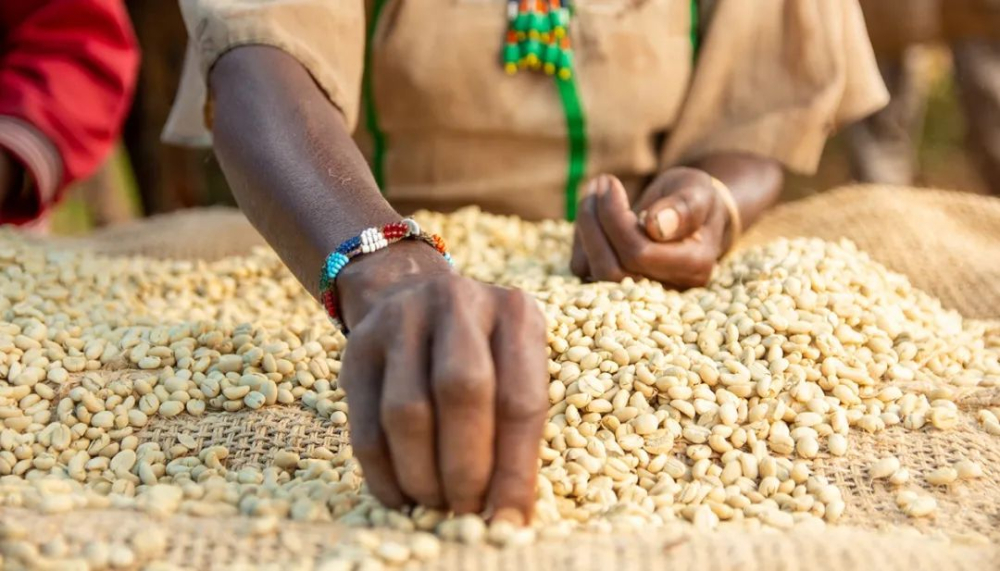
Coffee fans all know that Ethiopia's Yirgacheffe production region is the most famous, but in recent years coffee beans from the Sidamo production region have also continuously appeared in the specialty coffee market and won unanimous praise from coffee fans around the world. So next, FrontStreet Coffee will explain the flavor characteristics of coffee from the Sidamo production region.
Sidamo CoffeeProduction Region
The Sidamo production region is located in southern Ethiopia, extending east to the Arsi and Bale administrative zones and west to the Gamogofa administrative zone. Sidamo coffee is generally cultivated between 1,400 m and 2,000 m above sea level. The local industry is mainly agricultural, and the main coffee-growing areas are around the Great Rift Valley.
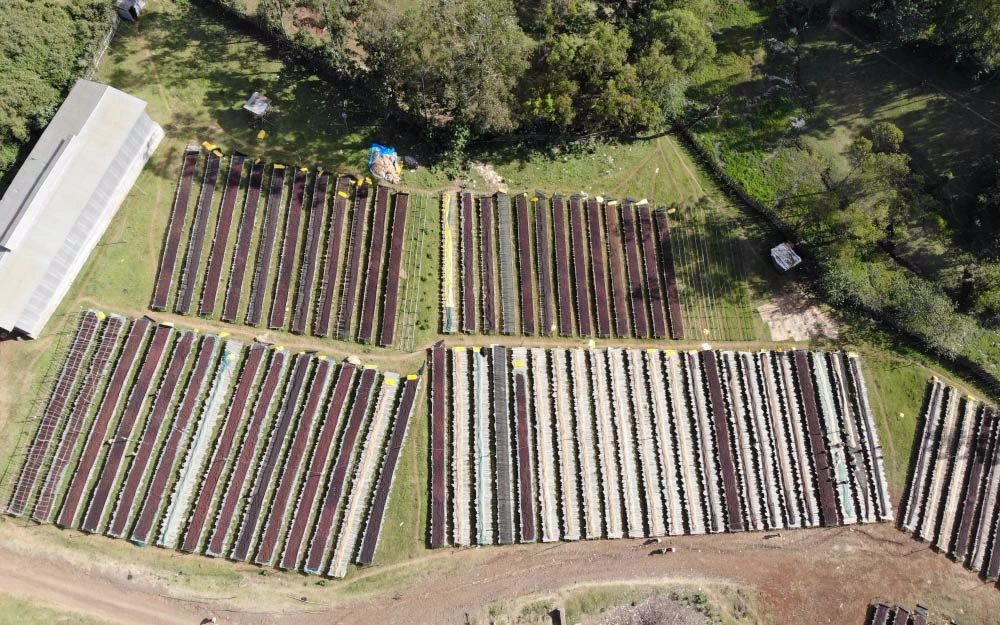
Moreover, Sidamo coffee flavors are very diverse because there are different soil types, microclimates, and countless native coffee varieties here, creating obvious differences and characteristics in the coffee produced by each town. For example, the Yirgacheffe production region in FrontStreet Coffee's store is itself a small production area within the Sidamo production region, but because its flavor is very unique and clearly different from the coffee beans produced in the Sidamo production region, it has been specially separated out to become a unique production region.
At the same time, according to FrontStreet Coffee's understanding, as a large production region, Sidamo has gradually seen more and more small coffee production areas become independent as the coffee regions become more refined, such as the most famous coffee-growing areas in the Sidamo region: Guji and West Arsi. FrontStreet Coffee also has coffee beans from these two production regions in its store. The Sidamo region mostly uses the natural processing method for green coffee beans, so FrontStreet believes it is precisely the natural processing method that gives Sidamo coffee beans their rich fruity aroma and smooth mouthfeel.
Guji Production Region
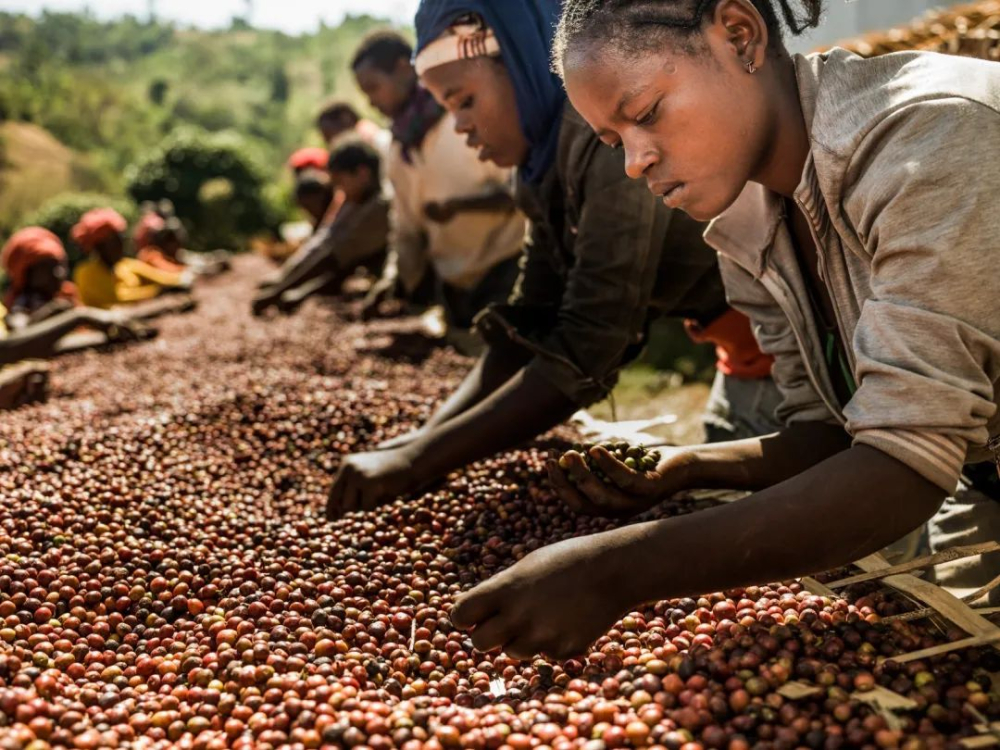
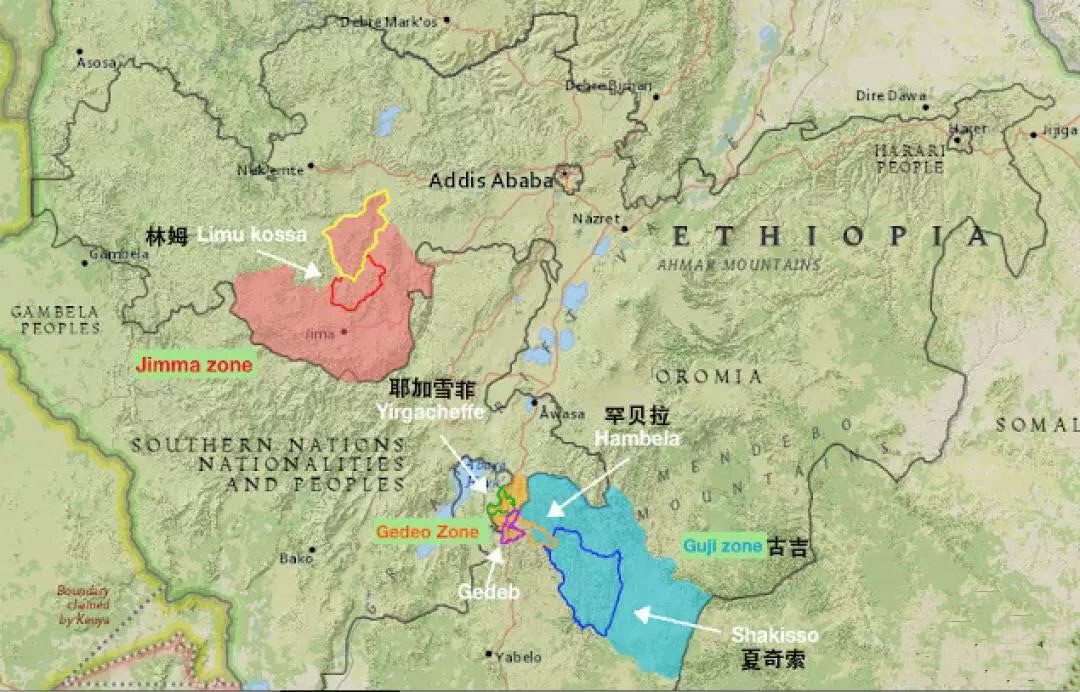
The Guji production region once belonged to the Sidamo production region, but in 2010 it was already made an independent new production region by the Ethiopia Commodity Exchange (ECX). The Guji production region is located southeast of Yirgacheffe and is an area with complex terrain changes such as towering mountains, valleys, and plains. The geology of this area consists of fertile black soil (Vertisol), with soil depth of nearly two meters and an average elevation above 1,800 meters. The significant day-night temperature difference created by geographical characteristics gives the area all the terroir conditions for producing high-quality specialty coffee.
West Arsi Production Region
West Arsi is located between the Yirgacheffe coffee-growing area and Hararghe, at an elevation of 1,900-2,200 m, in the western part of the Sidamo region. The name of this area comes from a branch of the Oromo people who have long lived here. According to FrontStreet's understanding, West Arsi consists of three Ethiopian third-level administrative zones: Arsi, Bale, and East Shewa.
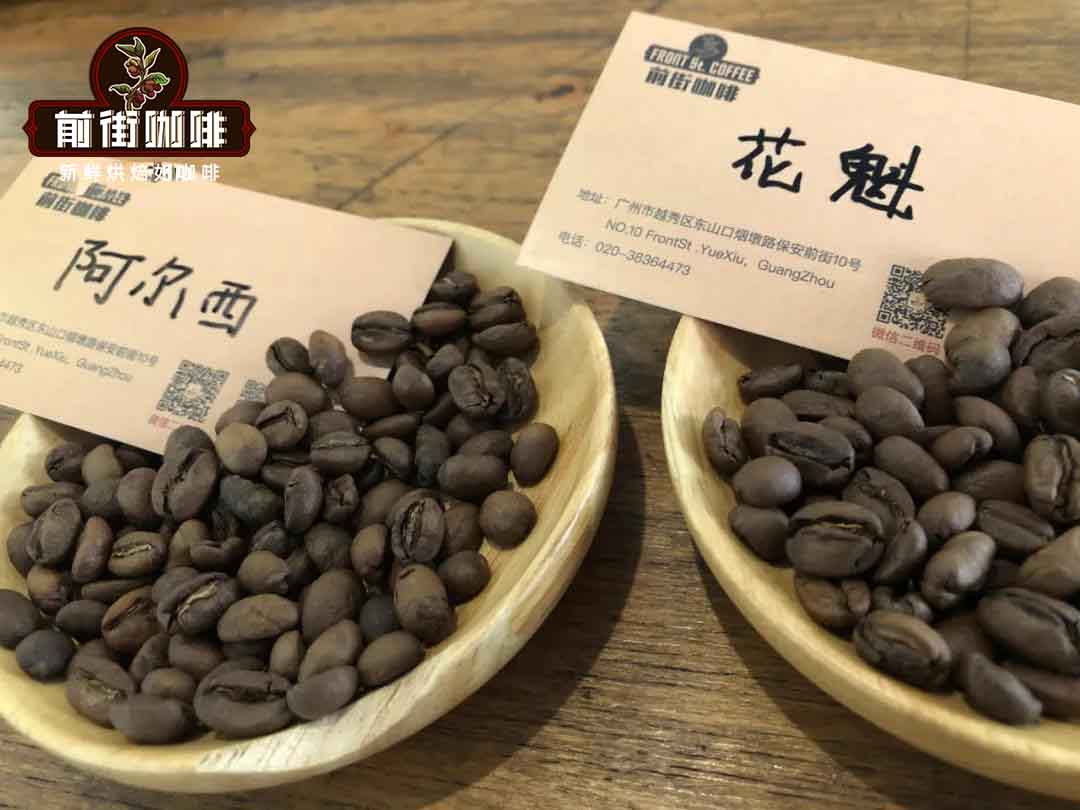
FrontStreet Coffee believes that the coffee beans from these two production regions are both very distinctive. For example, the Guji Hambela production region has a coffee bean well known and loved by coffee fans---Huakui coffee beans. In addition, FrontStreet believes that the Arsi coffee beans in the West Arsi production region also have excellent flavor, so both coffees have been introduced into FrontStreet Coffee's store for coffee fans to taste. Next, FrontStreet Coffee will introduce brief information about these two coffee beans.
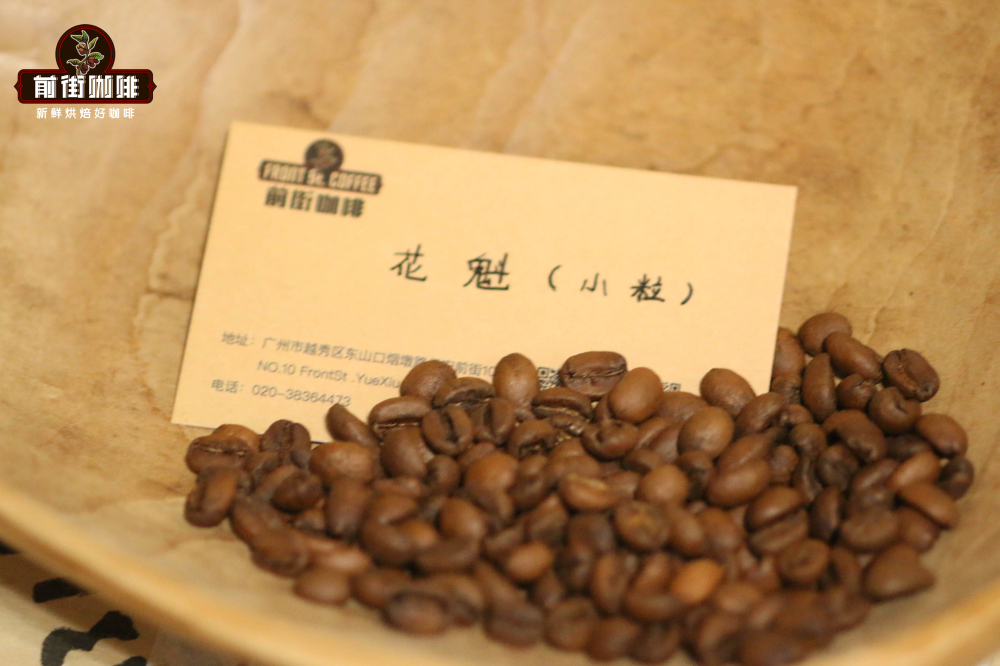
FrontStreet Coffee EthiopiaSidamo Huakui Coffee Beans
Country: Ethiopia
Production region: Guji (Hambela)
Elevation: 2,250-2,350 m
Variety: Local native varieties
Processing method: Natural processing
Flavor: Passion fruit, rose aroma, strawberry jam
The Huakui coffee beans introduced by FrontStreet Coffee are the champion of the natural group in Ethiopia's 2017 TOH coffee competition. It appeared before everyone with a unique strawberry cream flavor and made a stunning debut, so that year this batch of green beans was introduced into China by Beijing green bean trader Hongshun. In the same year, Li Jianfei used this bean to win second place in the China region of the 2017 World Brewers Cup. This Ethiopian bean stood out among many Geisha competition beans, so it was given the name "Huakui."
Strictly speaking, only the batch of beans from the 2017 TOH natural group champion that entered China can be called Huakui coffee. Of course, if such a wonderful name were only a flash in the pan, would that not be a pity?
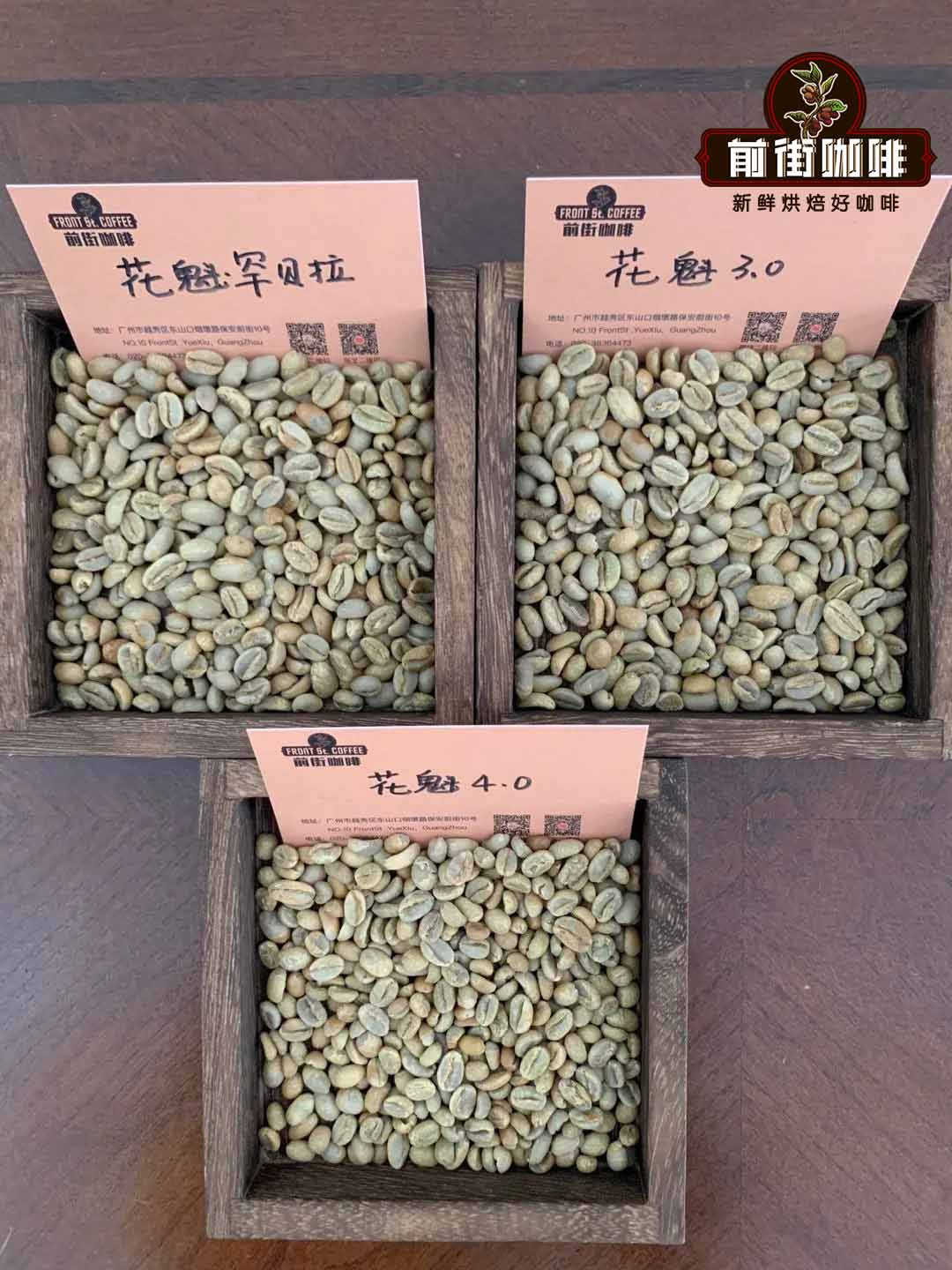
Therefore, afterward, Beijing Hongshun continued to introduce coffee beans from the Buku processing station in the Hambela production region and called them Huakui 2.0, Huakui 3.0, and Huakui 3.1 to distinguish them from the earlier Huakui coffee and to represent different batches or harvest seasons.
In 2022, after FrontStreet received the green beans of Huakui 6.0, it found quite a few flat beans, shell beans, and shrunken beans. Therefore, out of consideration for quality control, FrontStreet still used the coffee beans of Huakui 5.0. The 2022 new-season Huakui 5.0 still maintained the flavors of citrus, mango, and honey.
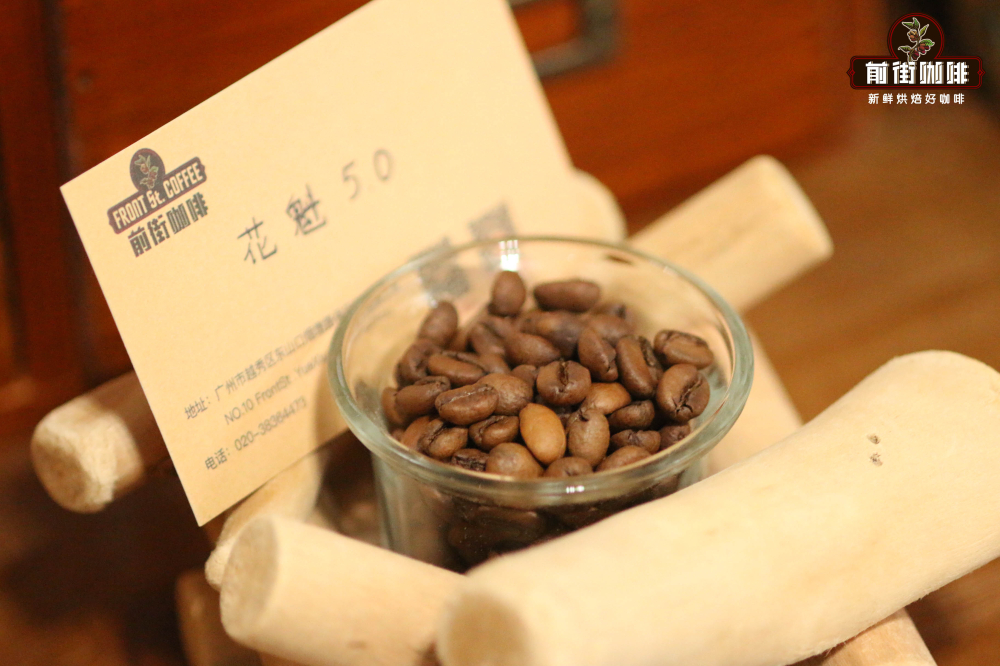
And now in 2024, the Huakui 8.0 that FrontStreet obtained has finally arrived. Taking advantage of this fresh excitement, and after another year of anticipation, of course it deserves a proper taste. In order to present the refined floral and fruity flavors of the Sidamo production region without losing the coffee's caramelized aroma, FrontStreet's roaster used a medium-light roast to present this bean.
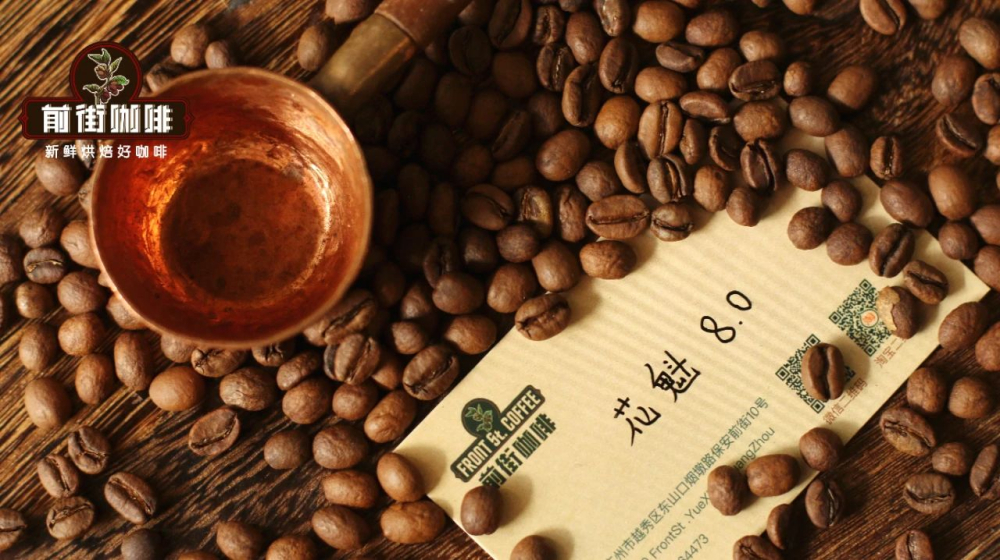
In the dry aroma, the new-season Huakui 8.0 shows a more intense fruity aroma than 7.0, with complex aromas such as guava, jackfruit, apricot, dried fruit, citrus, and floral notes. After hot water is poured in, aromas of honey and berry sweetness are detected; through slurping, FrontStreet first perceives in this 8.0 multiple fruit sweet-tartness such as dried mango, jackfruit, orange, and passion fruit, with a clear juicy quality and rounded mouthfeel. As the temperature drops slightly, the fresh sweetness of peach and the acidity of berries begin to be released, and after swallowing one can feel a sweet aftertaste like drinking black tea.
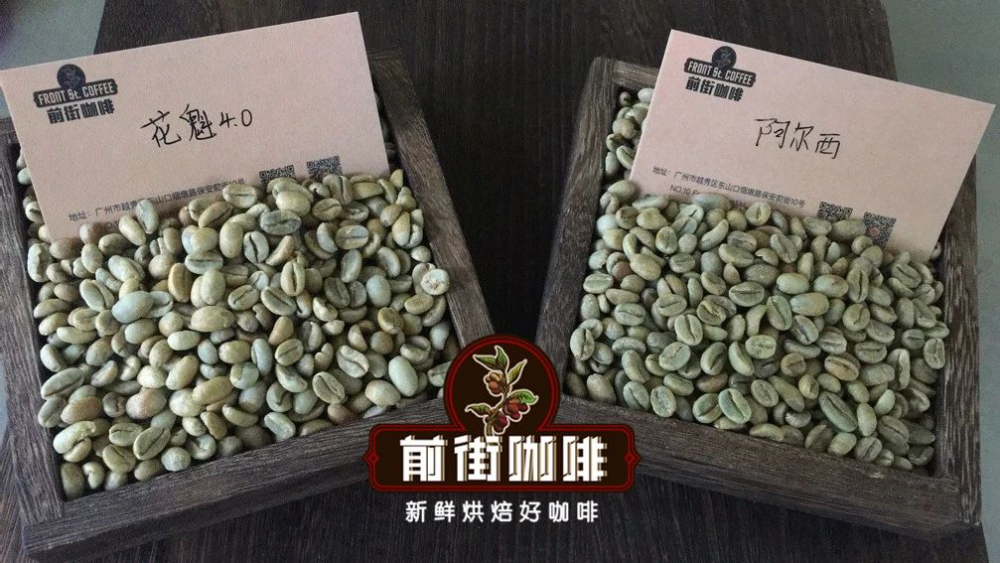
FrontStreet Coffee: EthiopiaSidamo Arsi Coffee Beans
Country: Ethiopia
Production region: Sidamo West Arsi
Elevation: 1,900-2,200 meters
Variety: Local native varieties
Processing method: Natural processing
Flavor: Berries, honey, plum, nectarine, mango, juicy mouthfeel
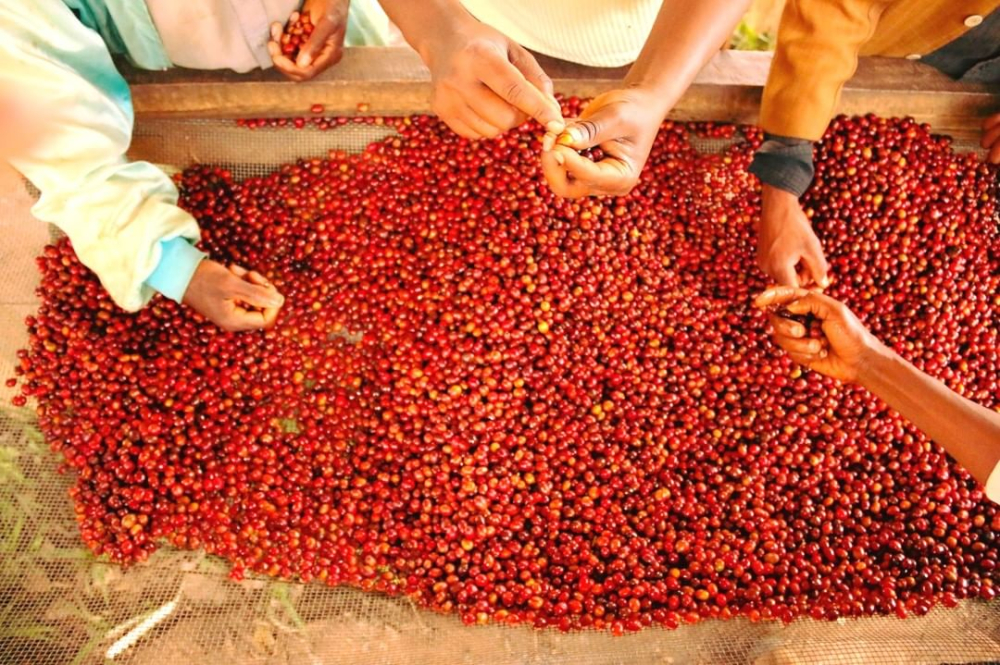
According to FrontStreet's understanding, coffee farmers in West Arsi pick only ripe red cherries and place them one by one into baskets. Therefore, the harvested coffee cherries are uniform in size, similar in ripeness, and free of other impurities. Then they spread the red coffee cherries on raised wooden frames or entire drying beds for natural processing, which can avoid the risk of the beans picking up off-flavors from being placed on the ground. During sun-drying, they constantly turn them to ensure even drying so the coffee beans lose water evenly; every three to five days, the coffee farmers manually sort out and remove defective and moldy beans. After the fruit skin dries and hardens, they use a hulling machine to remove the dry hard skin. After obtaining green coffee beans, in pursuit of perfect flavor, the farmers also do one final sorting. Therefore, FrontStreet Coffee's naturally processed Arsi can reach the highest grade, G1.
The above is the relevant information and introduction about the Sidamo production region compiled by FrontStreet Coffee, as well as consultation on the two coffee beans from the Sidamo production region available in FrontStreet Coffee's store. Next, FrontStreet Coffee will share the roasting and brewing data for these two coffee beans.
FrontStreet Coffee Roasting Suggestions
For these two new-season beans, during roasting we will: extend the dehydration time so that the bean surface and bean core are heated evenly. In order to express this bean's acidity and floral-fruity aroma, we used a light roast level.
Huakui 5.0: Yangjia 800N, bean charge 480 g: charge when the drum temperature reaches 175°C, set airflow to 3, heat power 120. When it rises to 140°C, set airflow to 4. Roast until 6'00'', temperature 151.7°C, the bean surface turns yellow, the grassy smell completely disappears, and dehydration is complete. When ugly wrinkles and dark patches appear on the bean surface, and the toast smell clearly turns into coffee aroma, this can be defined as the prelude to first crack. At this time, listen carefully for the sound of the first crack point. At 9'50'' first crack begins, open the airflow fully, lower the heat power to 80 at 188°C, first crack development time 1'40'', and drop at 196°C.
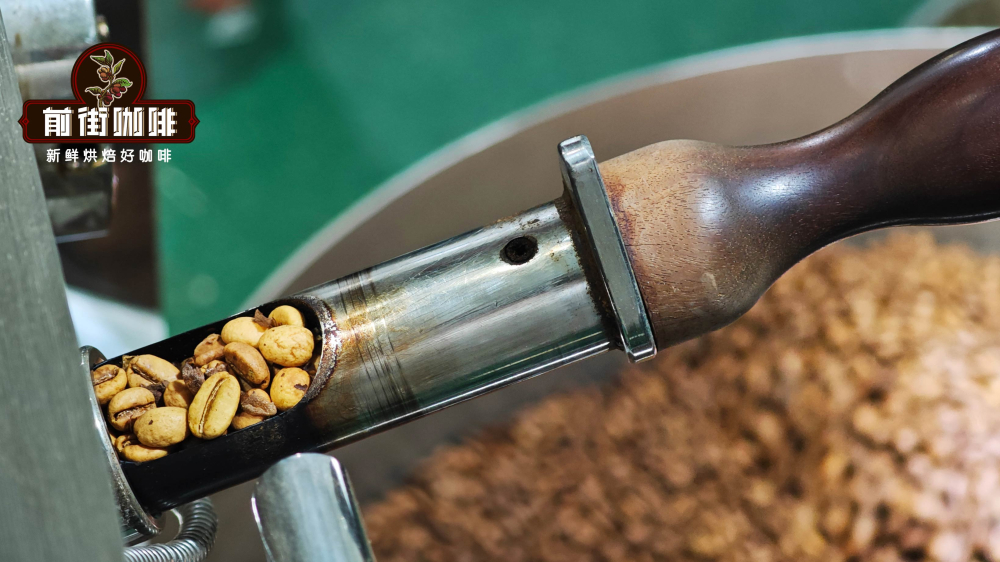
Arsi: Yangjia 800N, bean charge 480 g: charge when the drum temperature reaches 160°C, set airflow to 3, heat power 120. Adjust the heat power once at 115°C, set airflow to 4. Roast until 6'00'', temperature 154.9°C, the bean surface turns yellow, the grassy smell completely disappears, and dehydration is complete. At the 8th minute, ugly wrinkles and dark patches appear on the bean surface, and the toast smell clearly turns into coffee aroma; this can be defined as the prelude to first crack. At this time, listen carefully for the sound of the first crack point. At 9'08'' first crack begins, open the airflow fully, first crack development time 1'00'', and drop at 193.5°C.
FrontStreet Coffee Brewing Suggestions
Dripper: V60 #01
Water temperature: 90-91°C
Dose: 15 g
Coffee-to-water ratio: 1:15
Grind size: EK43s setting 10 / granulated sugar size (screen 80% through a No. 20 sieve)
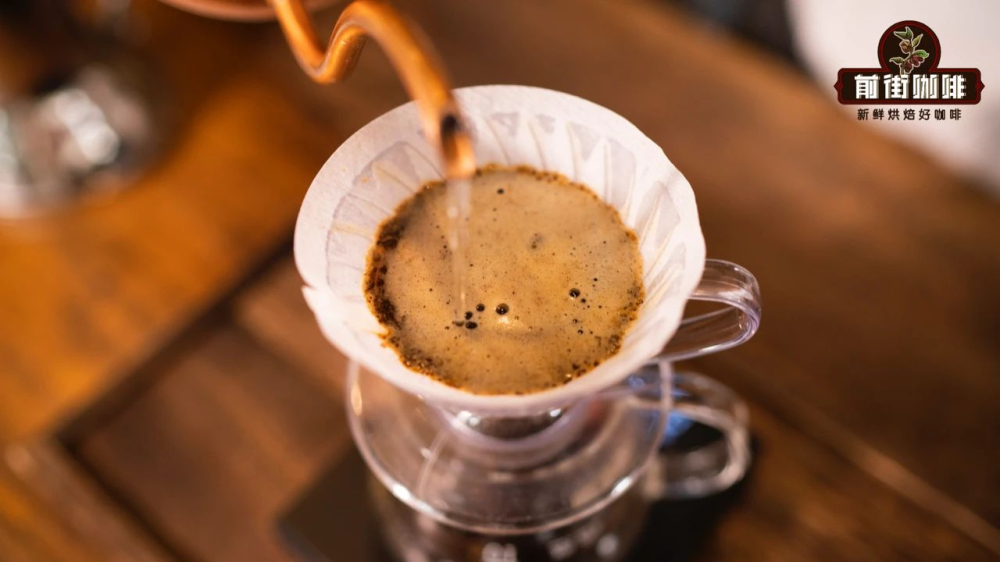
FrontStreet brewing method: pour 30 g of water in the first stage for a 30-second bloom, then pour 95 g (electronic scale shows about 125 g), finish pouring in about 1 minute. When the water level drops to 2/3 of the coffee bed, pour the remaining 100 g (electronic scale shows about 225 g), finishing in about 1 min 40-1'45". Drip completes at 2'00"-2'10", remove the dripper, and extraction is complete.
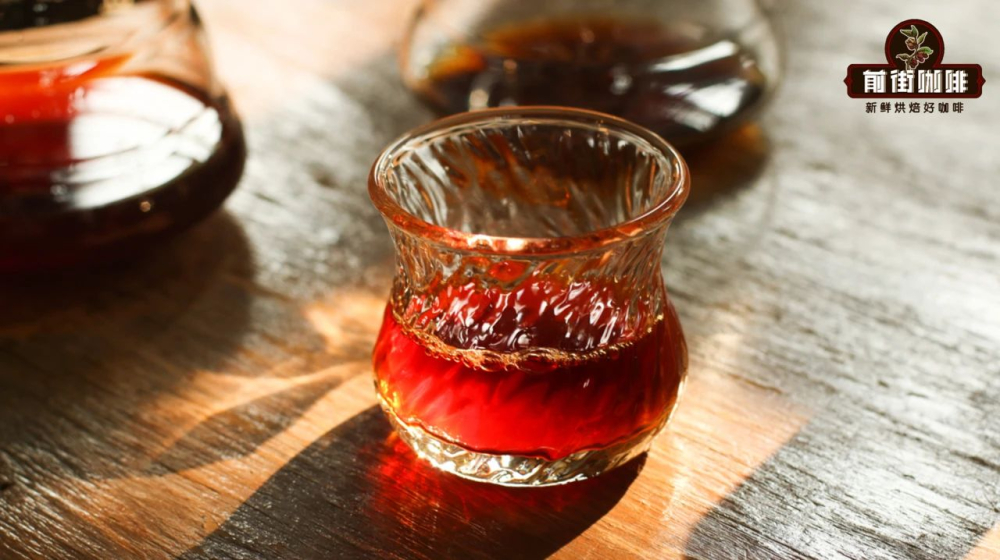
Huakui 5.0 brewed flavor: it smells of ripe citrus aroma; on the palate there is bright acidity like passion fruit and citrus; the middle and finish have mango fruity aroma and sweetness, with rich layering. After cooling, it has the sweet aftertaste of oolong tea.
Arsi brewed flavor: it smells of berries and honey; on the palate, jam-like sweetness spreads throughout the mouth, very sweet, with nectarine flavor in the finish and a juicy mouthfeel. After cooling, it is more like a cup of plum and nectarine juice.
For professional coffee knowledge exchange and more coffee bean information, please follow Coffee Workshop (WeChat public account cafe_style)
For more specialty coffee beans, please add FrontStreet Coffee on WeChat privately. WeChat ID: qjcoffeex

Light Roast Pour-Over Floral Coffee Beans Recommendation: Qianjie Yirgacheffe Gedeo Dingding, Qianjie Panama Hacienda La Esmeralda Green Label Geisha Coffee Beans, QianjiePanama Butterfly Coffee Beans
Daily medium-light roast Yirgacheffe pour-over floral coffee bean recommendation, Qianjie Yirgacheffe Guddina, light roast brings the signature white floral notesAromatic, with lemon-citrus fruit notes and a refreshing floral tea note; bright and crisp on the palate. Great value and an ideal entry-level pour-over coffee with floral and fruity notesAn unrivalled choice.
Moka pot, home espresso, and espresso-based milk drinks like latte — recommended beans: Qianjie Classic Espresso Blend, using BrazilianWest, with Mandheling Arabica and a small amount of Vietnamese Robusta fully blended, delivering a rich and outstanding espressocrema; overall style is rich and memorable. Qianjie Brazil Queen's Estate coffee beans and Qianjie Classic Espresso Blend coffee beans are both mochaA highly recommended option for pot-style espresso machines.
Fruity-floral signature espresso latte bean recommendation: Qianjie Strawberry Candy espresso blend, featuring strawberry gummy and rose aromas,Full-bodied sweetness with a grape and almond finish; especially stunning as an iced latte. Made from Costa Rican honey-process beans, PanamaBlended from Panama Geisha coffee beans and select beans from Colombia's Huila region. Not only does it overturn traditional espresso flavor, the cremaalso performs well, with impressive showings in creative specialty drinks.
Now available on Taobao store「 Qianjie Coffee 」To purchase the above coffee beans, Qianjie Coffee offers dozens of selected single-origin pour-over and espresso coffee beans from around the world. Qianjie CoffeeQianjie Coffee is a veteran specialty coffee roaster; beans are freshly roasted within 5 days, with consistent quality and highly competitive pricesGreat value, ships within 24 hours. Qianjie Coffee is recommended by many coffee lovers and platforms.
Taobao Qianjie Coffee Link: https://qianjiecoffee.taobao.com
Or search our shop directly on Taobao 「Qianjie Coffee」
Qianjie Coffee Store Address: 315 Donghuadong Road, Yuexiu District, Guangzhou

Site Recommendations: 耶加雪菲 花魁咖啡 瑰夏咖啡 波旁咖啡 蓝山咖啡 天堂鸟咖啡豆 曼特宁咖啡豆 PWN黄金曼特宁 星巴克菜单 咖啡豆种类
Please indicate the source when reprinting.
2024-12-01 13:11:47
