The sun-dried processing method is the oldest way of processing coffee cherries, and it is relatively common in Ethiopia. The cherries are spread on raised beds or tarps to dry for nearly a month, and after the moisture content drops to 11% to 13%, they are hulled, which makes it easy to bring out fermented wine aromas. Washed and honey processing intervene at different stages, and the differences in the degree of pectin retention and the drying rhythm make beans from the same producing region present completely different sweetness and cleanliness.
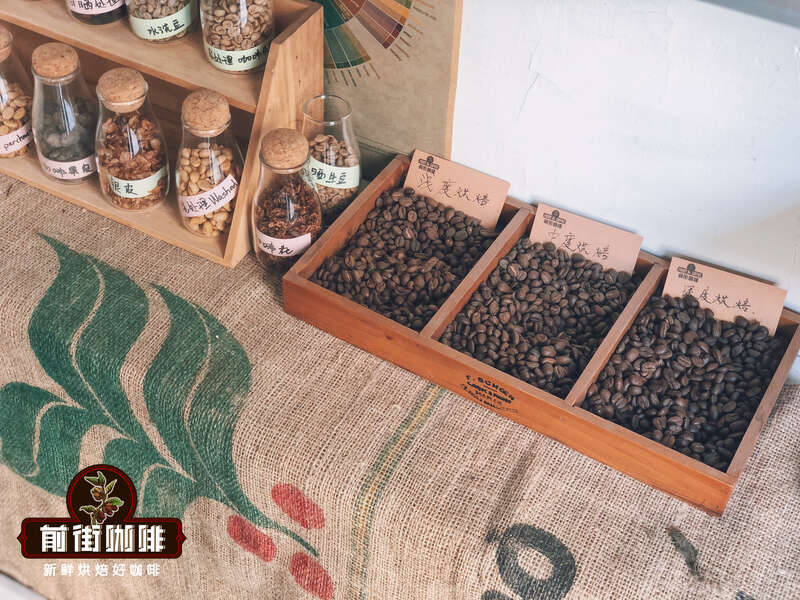
For more specialty coffee knowledge, please follow the WeChat official account: FrontStreet Coffee
Among the customers who now come to FrontStreet Coffee to buy beans, more and more people are paying attention to the processing method of each coffee, which shows that everyone's understanding of coffee is getting higher and higher. So today, FrontStreet takes this opportunity to introduce the common processing methods used for coffee.
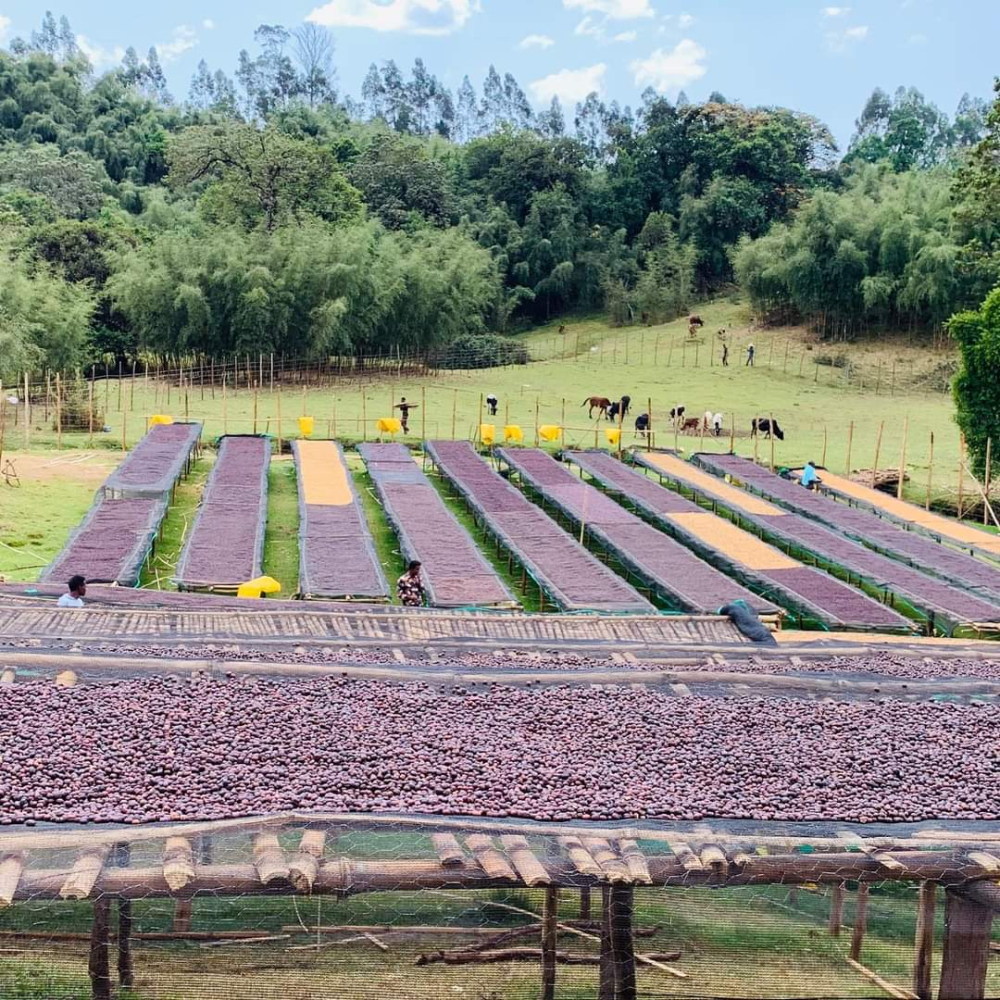
FrontStreet first introduces the method earliest used for processing coffee cherries—the sun-dried processing method. This is a relatively ancient processing method for coffee beans and is commonly used in Ethiopia, the hometown of coffee. First, the picked coffee cherries are manually sorted to remove defective beans, and then the coffee cherries can be placed on raised beds or tarps. If the equipment is relatively simple, some places also spread them directly on concrete ground, but this will cause the coffee beans to pick up dust and earthy flavors, or during collection, impurities such as sand or stones may be mixed into the coffee beans.
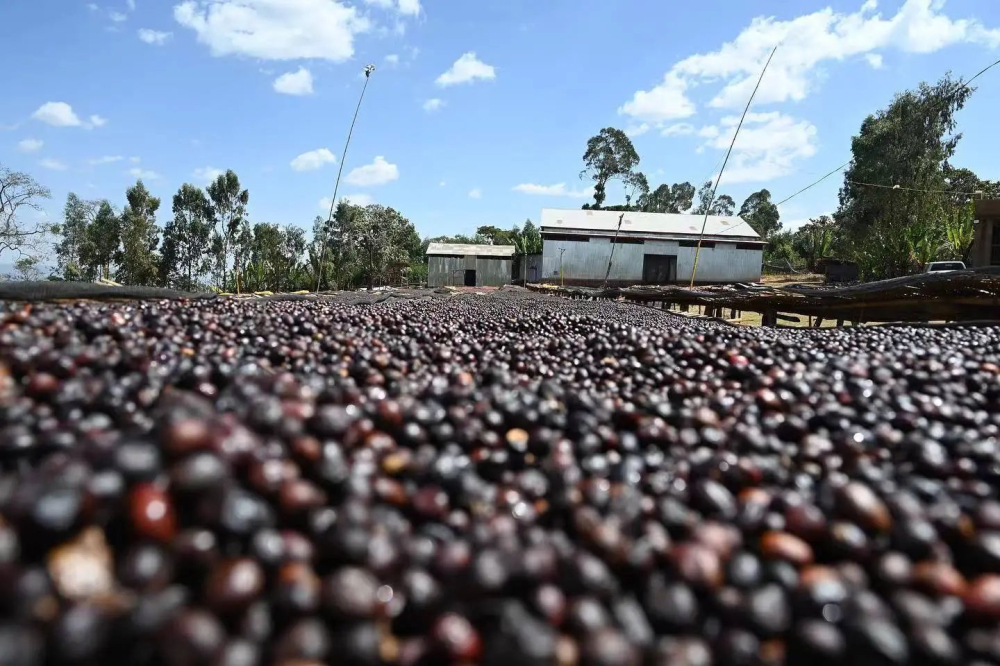
According to the information FrontStreet has learned, the drying time for coffee cherries is roughly 27-30 days. At this point, the moisture content of the coffee cherries will drop to about 11%-13%, which reaches the standard, and then a hulling machine can be used to remove the skin and pulp. After that, there will be another manual sorting, because during the hulling operation, since the coffee cherries are relatively dry and fragile, broken beans need to be picked out.
The main advantage of this sun-dried processing method is that it does not require highly sophisticated equipment. As long as the weather is sunny, sun-drying can be carried out. Therefore, regions such as Ethiopia in Africa, because of dry weather and little rainfall, are more suitable for this processing method. Many of the coffee beans FrontStreet offers also use sun-dried processing, such as the Ethiopian Yirgacheffe sun-dried Red Cherry, which develops fermented wine aromas due to the sun-dried processing.
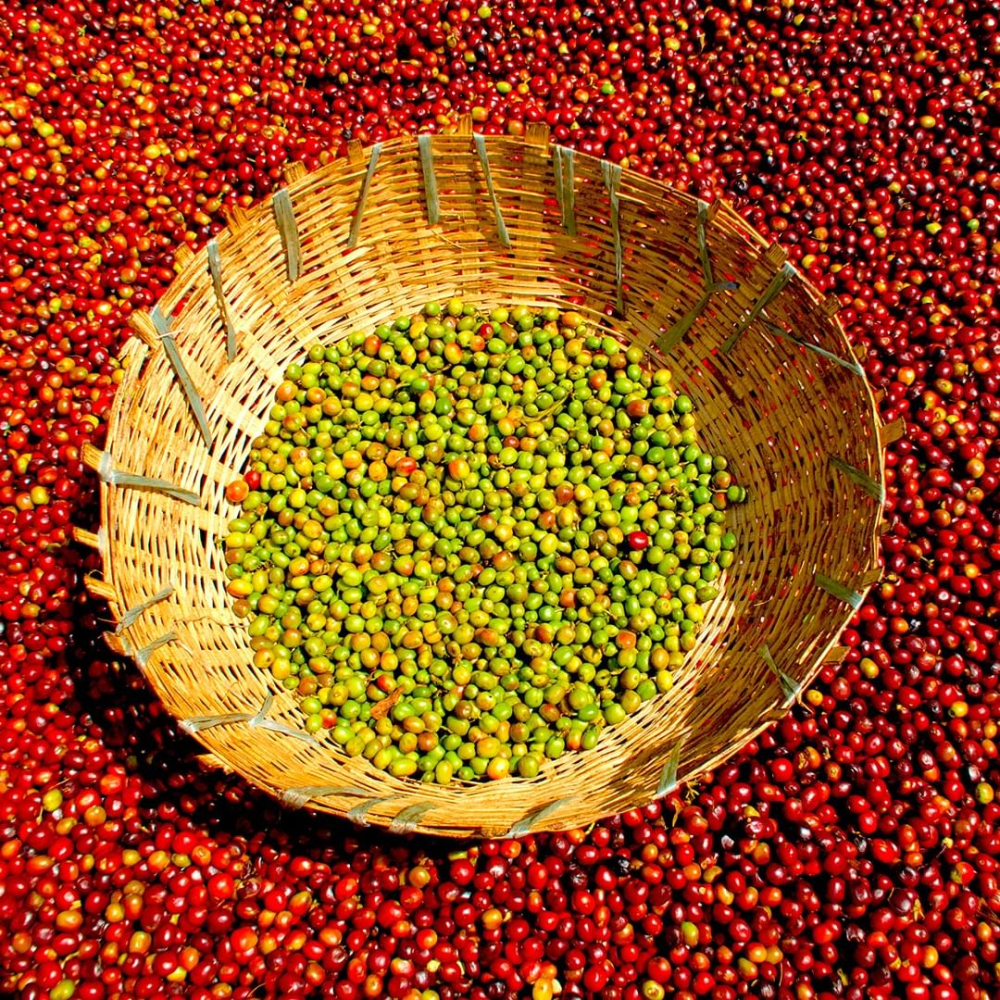
In addition to sun-dried processing, washed processing is also relatively common. Large estates in many regions use this washed processing. The general steps are:
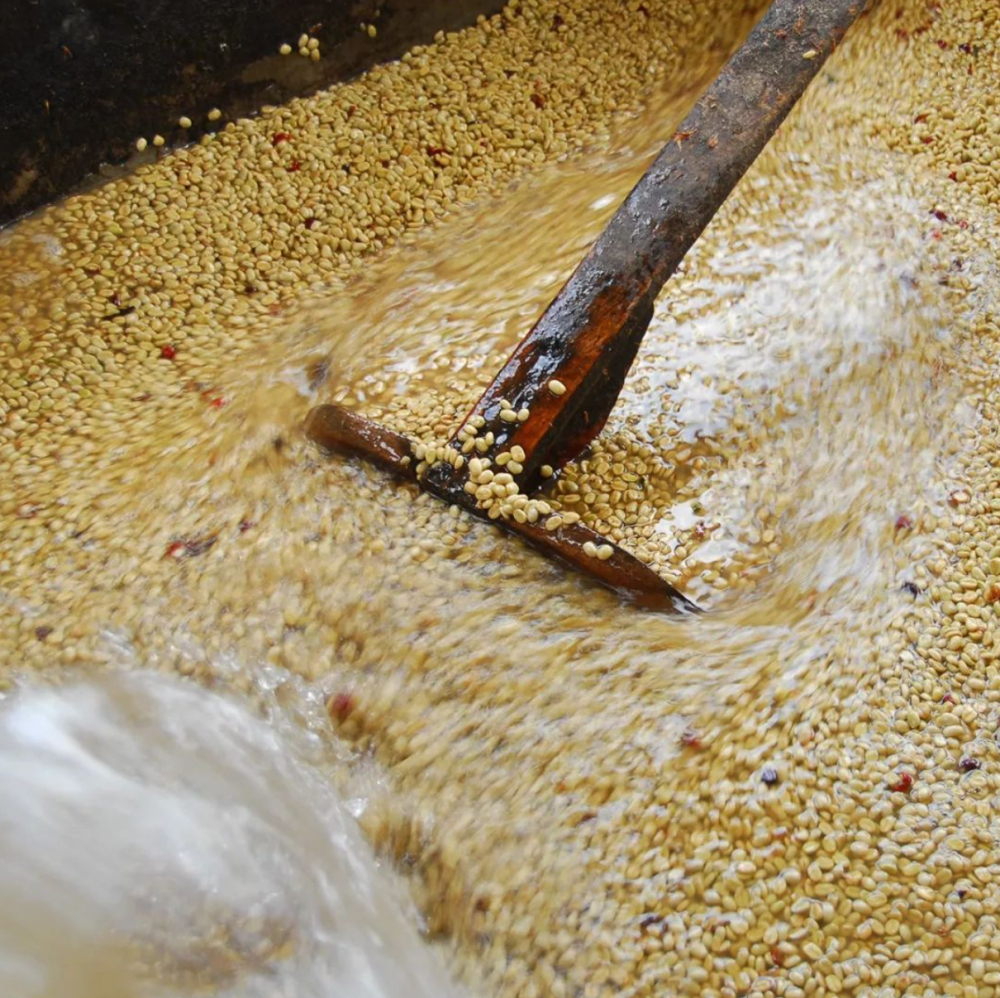
1. Pour the coffee cherries into water and use floatation to remove defective beans, such as immature, overripe, or foreign matter.
2. Use a depulper to remove the outer skin and pulp from the sorted coffee cherries. The surface of the coffee cherries after removing the skin and pulp still has a layer of pectin stuck to it, so a large amount of clean water is needed to remove the pectin from the surface of the coffee cherries.
3. The process of removing pectin through fermentation takes about 18 hours. Because after fermentation is completed, the fermenting bacteria still adhere to the surface of the coffee cherries, so a large amount of clean water is needed again for washing. In this step, to obtain 1 kilogram of coffee beans, 40 to 50 kilograms of clean water are needed. FrontStreet thinks this is a very large number, so this is also one reason why some regions cannot use washed processing.
4. The cleaned coffee beans can then be dried. Some regions will directly take them outdoors to dry, and if equipment is available, some processing plants will use machines to dry them so that the coffee moisture content drops to about 11%. Then a hulling machine can be used to remove the parchment and silver skin.
Among the customers who come to FrontStreet to drink coffee, the question FrontStreet is often asked is: what is the difference between washed processing and sun-dried processing? FrontStreet first explains their differences from the coffee beans themselves. FrontStreet still uses Ethiopian Yirgacheffe beans as an example. Generally speaking, washed Yirgacheffe beans appear blue-green, while sun-dried Yirgacheffe beans appear yellow-green. Therefore, washed beans have more silver skin, while sun-dried beans have less silver skin.
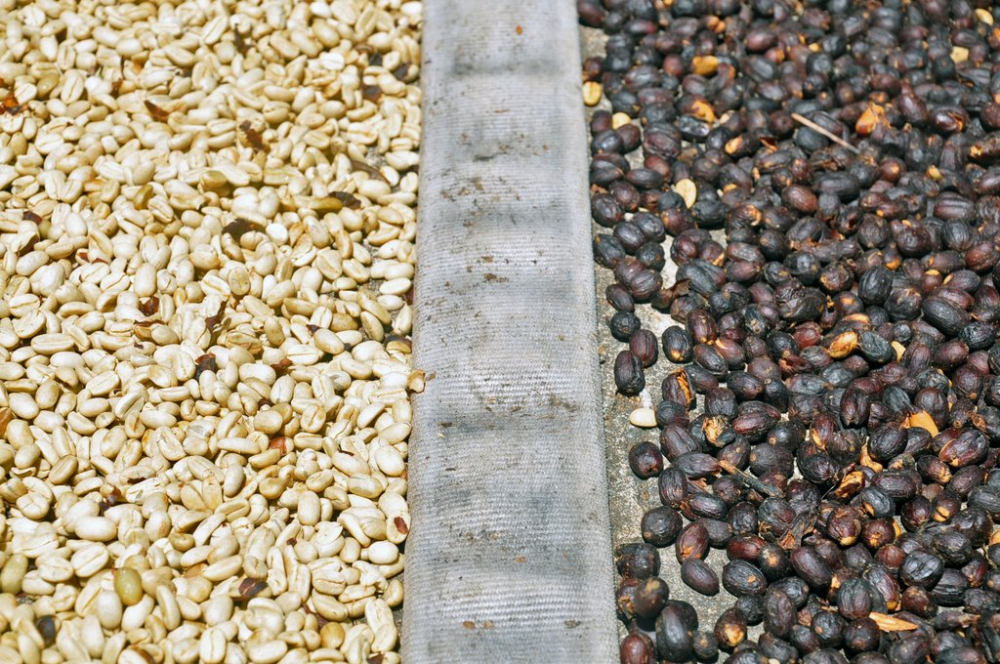
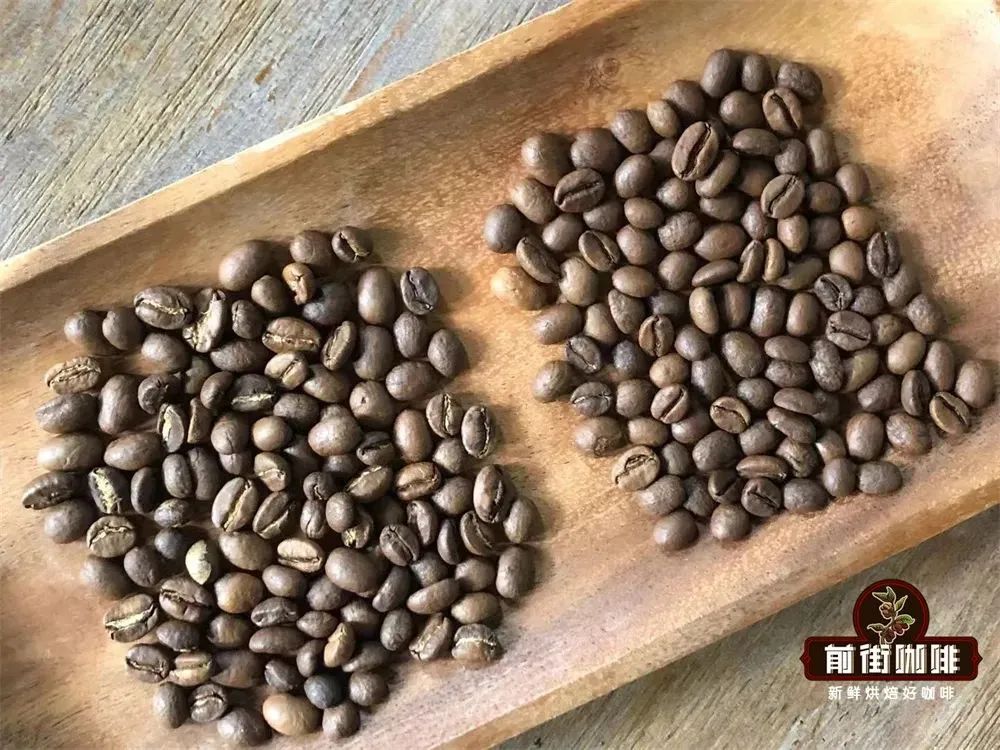
Everyone should not underestimate coffee silver skin either. In the process of brewing coffee, FrontStreet found that if too much silver skin is mixed into the coffee grounds, it will greatly affect the coffee flavor and prevent the coffee flavor from being brewed out. Comparing these two processing methods in terms of coffee flavor, FrontStreet believes that coffee beans using washed processing have a brighter flavor and mouthfeel, a clean flavor without off-tastes, and also carry acidity and fruity aromas. For sun-dried coffee beans, because the sun-drying time is relatively long, the coffee beans undergo a slow fermentation process, so when you taste sun-dried beans, they carry a faint fermented wine aroma. In addition, sun-dried beans have more sweetness and acidity than washed beans, and a fuller mouthfeel. Therefore, generally speaking, the bean quality of washed processing is better than that of sun-dried processing.
The washed processing mentioned above by FrontStreet is the general washed processing method. FrontStreet will now introduce the Kenyan K72-hour processing method extended from washed processing. The K72-hour processing differs in the fermentation step of basic washed processing. The K72 processing method is: after the first 24-hour fermentation, replace with a large amount of clean water, ferment for another 24 hours, replace with clean water again, then continue fermenting for 24 hours, cycling three times in total. After fermentation is completed, the drying step can be carried out. Therefore, FrontStreet found that the acidity of Kenyan coffee beans is more acidic than that of generally washed beans, with fresh acidity like umeboshi and cherry tomatoes.
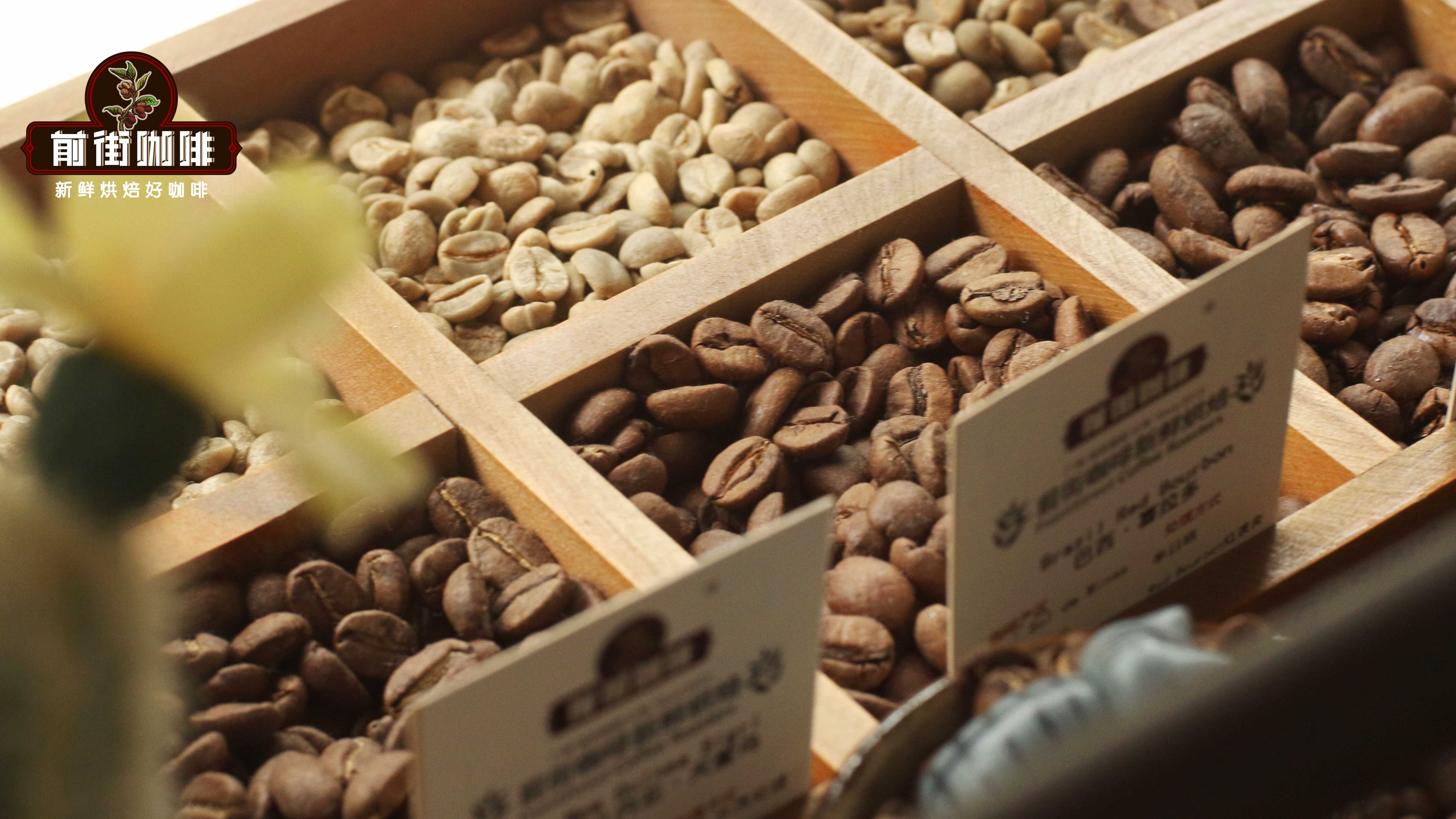
If you often come to FrontStreet Coffee to buy coffee beans, you will find that among the daily beans series on FrontStreet Coffee's bean shelf, except that Brazil Red Fruit uses semi-sun-dried processing and Indonesia Mandheling uses wet-hulled processing, the other five FrontStreet daily beans all use washed processing. Because FrontStreet has always emphasized that washed processing is the basic flavor of a producing region and is very suitable for beginners who have just started drinking coffee.
In addition, FrontStreet will now talk about honey processing. Honey processing was originally created in Costa Rica. First, coffee cherries are sorted by washing and floatation to remove defective coffee beans, then the sorted coffee cherries are passed through a depulper to remove the skin and pulp while retaining the pectin. This season they are taken to raised beds to dry, air-dried for about one to two weeks, and during this process the coffee beans are constantly turned so that they dry evenly and fully absorb the sugar in the pectin.
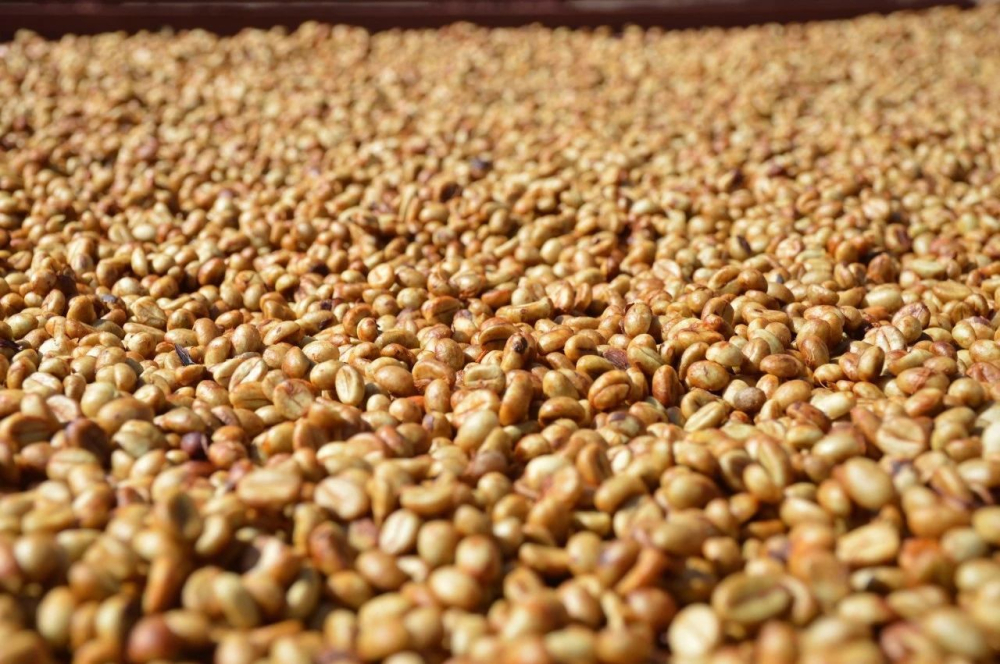
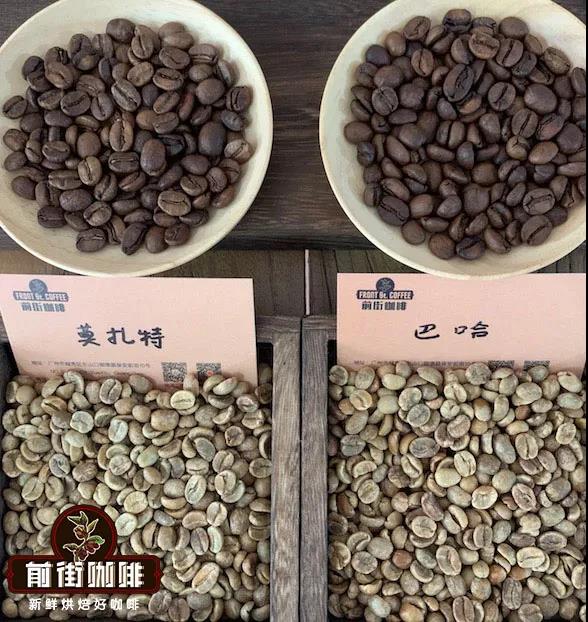
The raisin honey processing method retains 100% of the pectin. First, defective beans are removed through floatation, then the sorted coffee cherries are directly taken to raised beds and dried for at least three days, after which a depulper is used to remove the skin and pulp. The pectin is retained and then drying continues. Because of the sun-drying process plus not removing the pectin, the coffee beans from raisin honey processing and honey processing have very high sweetness. For example, the Costa Rican Musician Series coffees offered by FrontStreet, such as Bach, Chopin, Mozart, and Beethoven, all have very high sweetness and also carry rich tropical fruit flavors.
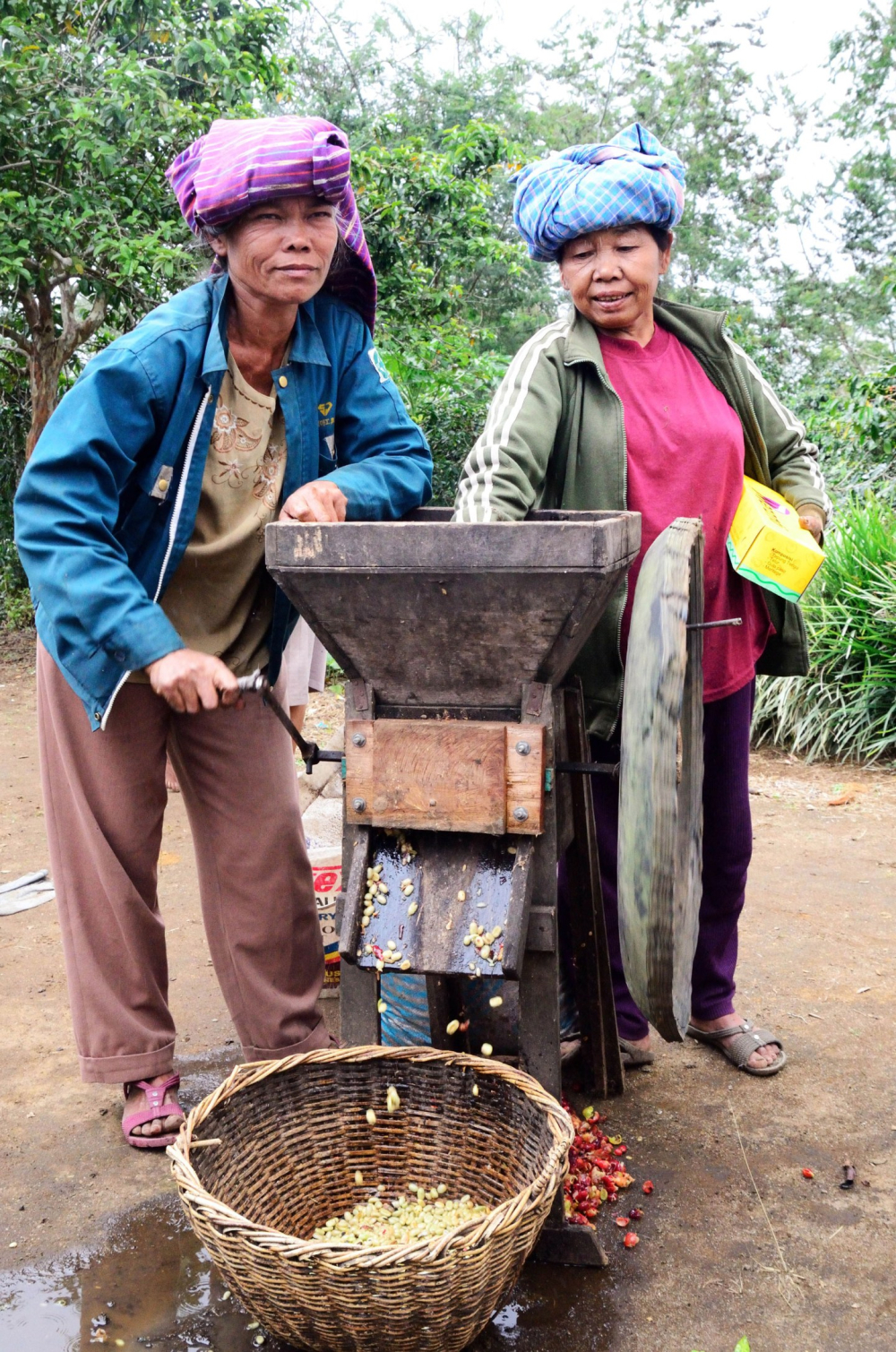
The honey processing method is not suitable for rainy weather. Humid and rainy weather like Indonesia's will cause coffee beans to become moldy. Therefore, Indonesia generally uses the local wet-hulled method for processing coffee beans. The general steps are:
1. Remove the skin and pulp of the coffee cherries, retaining the parchment and pectin.
2. Put the processed coffee cherries into a water tank to ferment and remove the pectin.
3. Then sun-dry the coffee beans with parchment for two to three days, so that the moisture content of the coffee beans drops to about 20%.
4. Then remove the parchment and dry the green beans again, bringing the moisture content of the coffee beans down to about 11%, and then they can be stored in the warehouse.
Using wet-hulled processing for green beans also brings the disadvantage of unstable green bean quality, but on the positive side, wet-hulled processing also gives Indonesian coffee its own coffee flavor, with characteristics such as low acidity and a relatively strong herbal spice flavor. Among the five Mandheling coffees offered by FrontStreet, except for sun-dried Mandheling, all use these processing methods for green coffee beans.
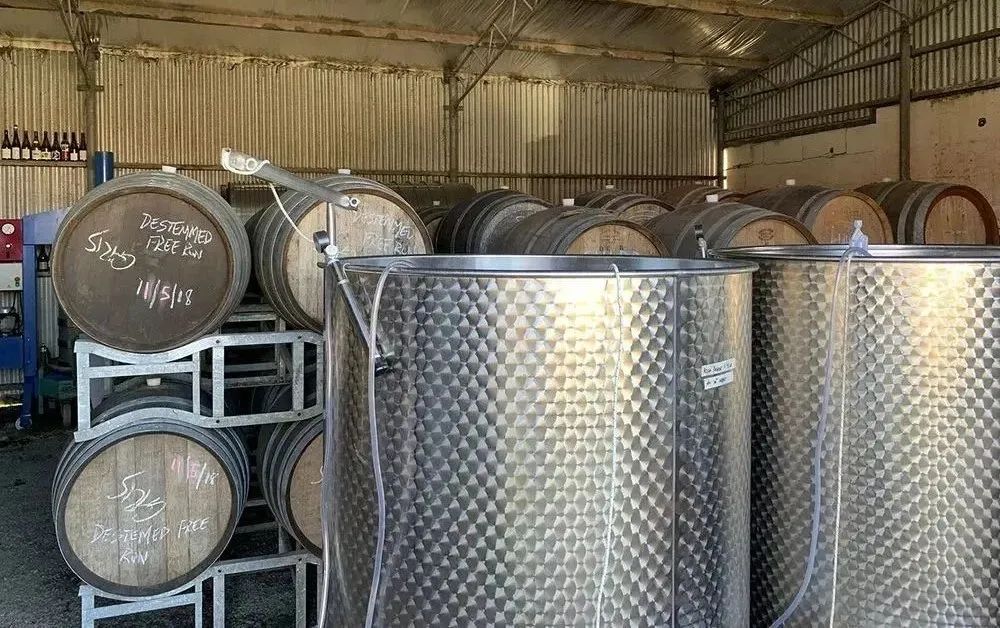
However, with the continuous advancement of technology, the processing of green coffee beans is also constantly improving. In recent years, anaerobic fermentation processing has emerged, which some people also call "carbon dioxide maceration" (red wine processing). The process is actually not complicated: it uses biotechnology, such as stainless steel tanks that can control oxygen intake and output and control time, temperature, and pH, to place coffee beans in a low-oxygen or oxygen-free environment, thereby improving the coffee's flavor and sweetness.
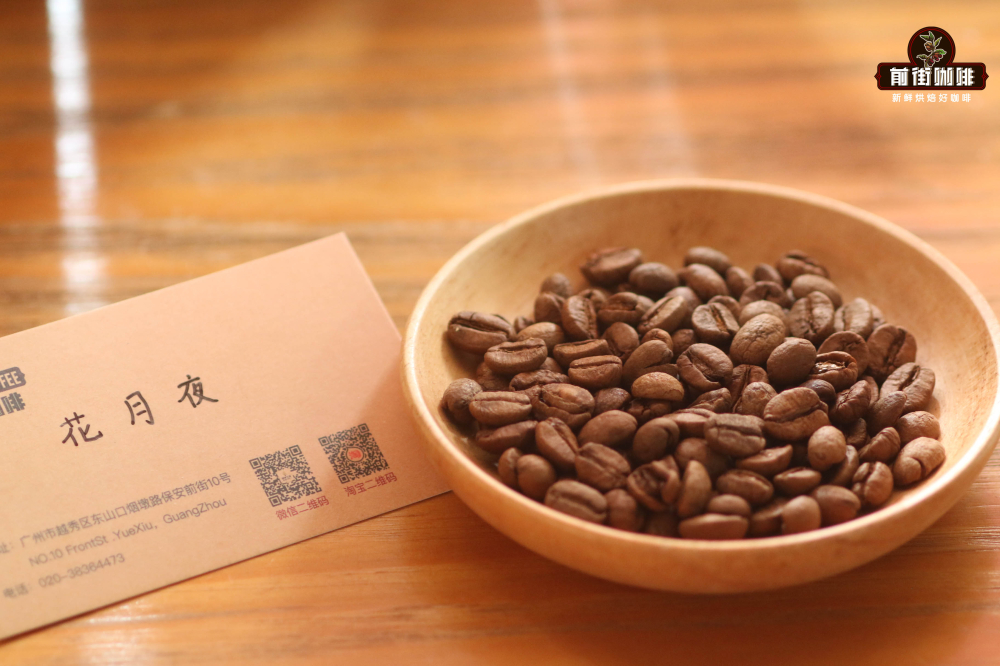
For example, the Colombian Flower Moon Night and Rose Valley offered by FrontStreet use anaerobic fermentation processing. Flower Moon Night uses anaerobic sun-drying, so its coffee carries a strong strawberry flavor and creamy mouthfeel. As for Rose Valley, it uses double washed anaerobic enzyme processing, so its sweet-and-sour sensation is more obvious, and it also carries peach flavor. It is very popular among customers at FrontStreet Coffee.
FrontStreet believes that with the rapid development of the coffee market today, all kinds of coffee beans are emerging one after another, and the rich processing methods also bring different coffee flavors to everyone who loves coffee, and provide everyone with more choices of coffee flavors.
For more specialty coffee beans, please add the private WeChat of FrontStreet Coffee, WeChat ID: kaixinguoguo0925

Light Roast Pour-Over Floral Coffee Beans Recommendation: Qianjie Yirgacheffe Gedeo Dingding, Qianjie Panama Hacienda La Esmeralda Green Label Geisha Coffee Beans, QianjiePanama Butterfly Coffee Beans
Daily medium-light roast Yirgacheffe pour-over floral coffee bean recommendation, Qianjie Yirgacheffe Guddina, light roast brings the signature white floral notesAromatic, with lemon-citrus fruit notes and a refreshing floral tea note; bright and crisp on the palate. Great value and an ideal entry-level pour-over coffee with floral and fruity notesAn unrivalled choice.
Moka pot, home espresso, and espresso-based milk drinks like latte — recommended beans: Qianjie Classic Espresso Blend, using BrazilianWest, with Mandheling Arabica and a small amount of Vietnamese Robusta fully blended, delivering a rich and outstanding espressocrema; overall style is rich and memorable. Qianjie Brazil Queen's Estate coffee beans and Qianjie Classic Espresso Blend coffee beans are both mochaA highly recommended option for pot-style espresso machines.
Fruity-floral signature espresso latte bean recommendation: Qianjie Strawberry Candy espresso blend, featuring strawberry gummy and rose aromas,Full-bodied sweetness with a grape and almond finish; especially stunning as an iced latte. Made from Costa Rican honey-process beans, PanamaBlended from Panama Geisha coffee beans and select beans from Colombia's Huila region. Not only does it overturn traditional espresso flavor, the cremaalso performs well, with impressive showings in creative specialty drinks.
Now available on Taobao store「 Qianjie Coffee 」To purchase the above coffee beans, Qianjie Coffee offers dozens of selected single-origin pour-over and espresso coffee beans from around the world. Qianjie CoffeeQianjie Coffee is a veteran specialty coffee roaster; beans are freshly roasted within 5 days, with consistent quality and highly competitive pricesGreat value, ships within 24 hours. Qianjie Coffee is recommended by many coffee lovers and platforms.
Taobao Qianjie Coffee Link: https://qianjiecoffee.taobao.com
Or search our shop directly on Taobao 「Qianjie Coffee」
Qianjie Coffee Store Address: 315 Donghuadong Road, Yuexiu District, Guangzhou

Site Recommendations: 耶加雪菲 花魁咖啡 瑰夏咖啡 波旁咖啡 蓝山咖啡 天堂鸟咖啡豆 曼特宁咖啡豆 PWN黄金曼特宁 星巴克菜单 咖啡豆种类
Please indicate the source when reprinting.
2025-07-07 14:54:24
