Sun-drying, also known as the natural drying method, is the oldest coffee processing method. It relies on continuous sunny days for about 27 to 30 days of sun exposure, allowing the fruit's moisture content to drop to around 11% before hulling, and it has strict requirements for climate conditions; washed processing, on the other hand, uses water to remove the pulp. The two paths shape completely different flavors and bean appearances, and specialty coffee farmers have further refined them into fine washed and fine natural processes on this basis. What exactly is the difference between these two kinds of beans when you drink them? The main text compares everything from the process all the way to the performance in the cup.
Sun-drying, also known as the natural drying method, is the oldest coffee processing method. It relies on continuous sunny days for about 27 to 30 days of sun exposure, allowing the fruit's moisture content to drop to around 11% before hulling, and it has strict requirements for climate conditions, so it is used more in dry producing regions such as Ethiopia; washed processing, on the other hand, uses water to remove the pulp. The two paths shape completely different flavors and bean appearances, and they are also the direction in which specialty coffee farmers are constantly refining.
What is the natural processing method?
As FrontStreet Coffee said above, the natural processing method is the oldest processing method, also known as the “natural drying method.” As the name suggests, it uses the sun for natural drying, so it does not require high-end equipment. It only needs continuous sunny days for sun-drying operations, and the sun exposure takes 27-30 days. Therefore, it has relatively strict requirements for climate conditions and is suitable for countries in dry regions.
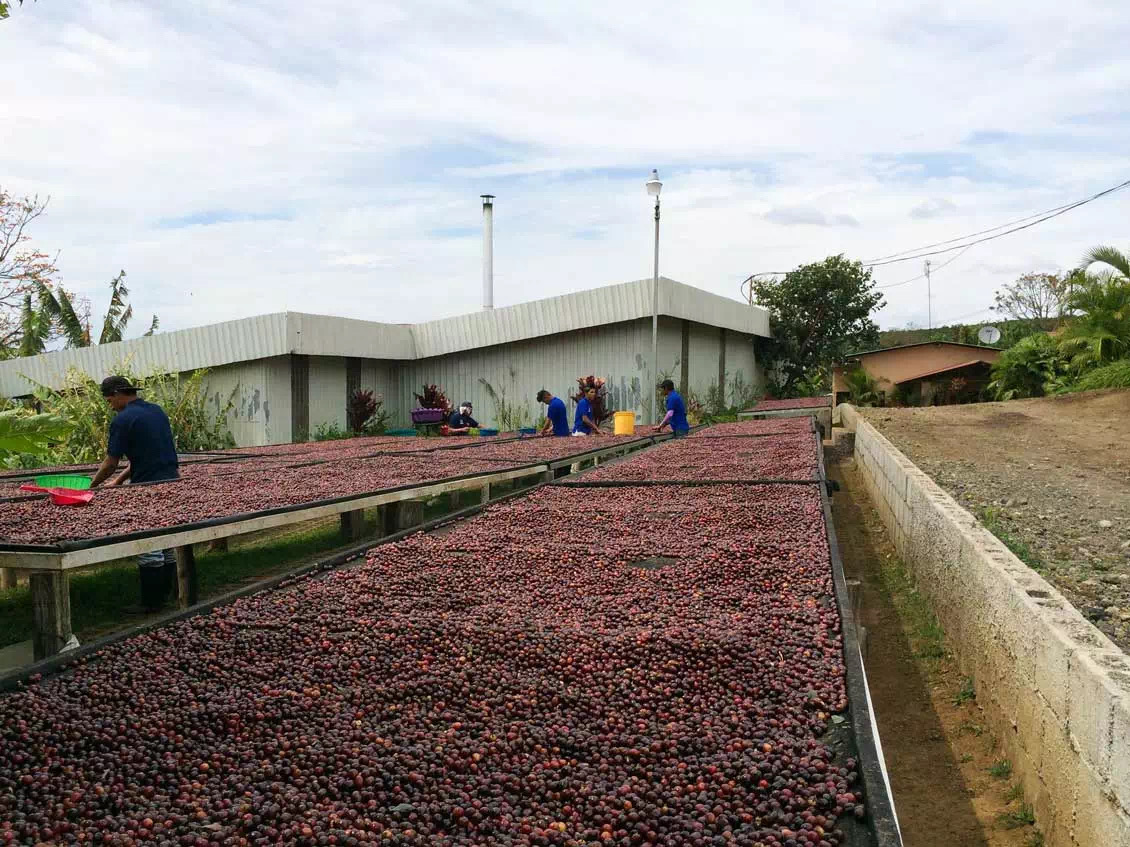
For example, Ethiopia is a coffee-producing country that widely uses the natural processing method, because Ethiopia has high altitude, a dry climate, and scarce water resources. But it is worth noting that although the natural processing method is relatively simple to operate, precisely because of this, coffee beans processed by natural methods do not look good in appearance and will have some cracks, so they are not particularly likable.
Natural processing method process
So what exactly is the specific operational process of natural processing? FrontStreet Coffee will explain it here:
1. The first step is to pick ripe coffee cherries, then manually sort them, picking out coffee cherries with defects, overripe ones, or ones damaged by insects, and keeping the good beans. This is also most of the reason why the coffee beans in FrontStreet stores can generally have a relatively uniform and attractive appearance.
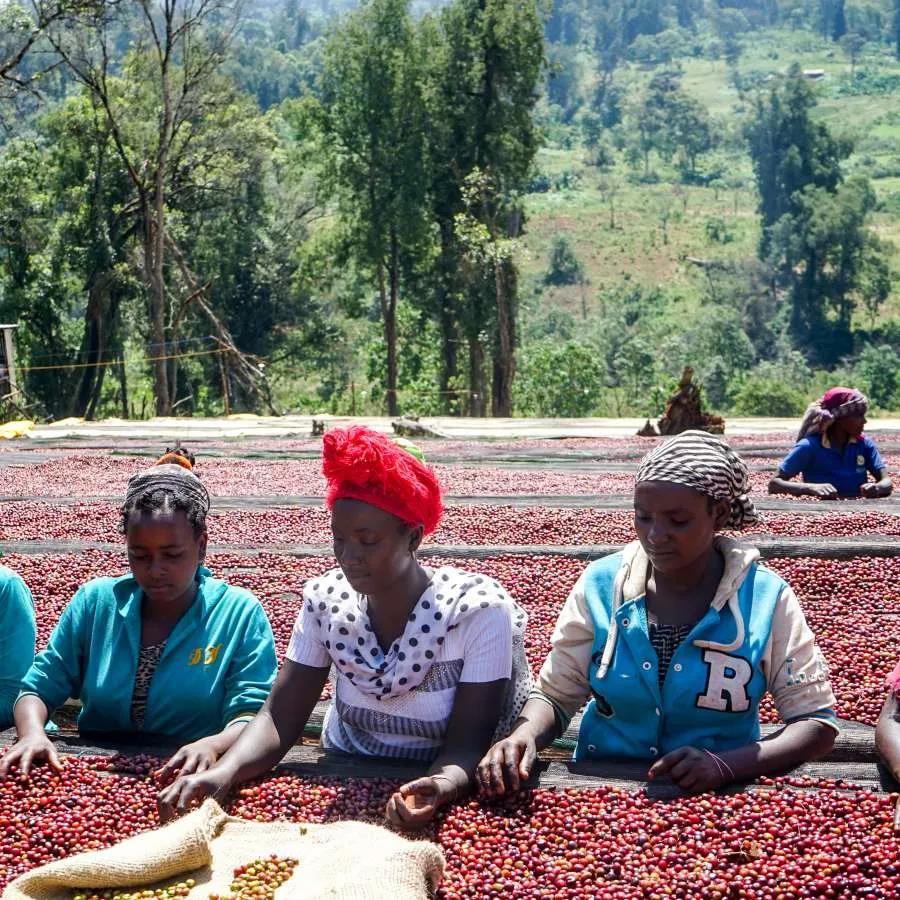
2. The good cherries that pass manual sorting will be sent to a drying site for drying treatment. Of course, different coffee producing regions use different drying racks; some use tarps, raised beds, or concrete ground, etc. The average drying time is 27-30 days, and the drying process is considered complete only when the coffee's moisture content drops to 11%.
3. This step is also a relatively key one. After drying is completed, the coffee cherries will be sent to a specialized processing plant for peeling and hulling, and even polishing, so that the pulp and other parts of the coffee cherry fall off before the coffee beans commonly seen in the true sense are obtained.
4. After peeling, the green coffee beans will be sorted once more to remove coffee beans with poor appearance again. This is because over-dried coffee beans are relatively fragile and will be broken into fragments during peeling, while under-dried coffee beans will contain too much water. If the moisture is too active, the coffee beans will easily breed bacteria and become moldy. Therefore, they are only sent to the warehouse for storage and packaged for export after being sorted again.
Advantages and disadvantages of natural processing
Advantages: As FrontStreet said above, the natural processing method is relatively simple to operate, which also means it does not require too much cost. Therefore, naturally processed coffee beans all have an irreplaceable fermented flavor. Now that specialty coffee is developing rapidly, coffee farmers have also begun to attach importance to naturally processed coffee beans, for example by putting the coffee beans on racks to dry and turning them frequently to prevent contamination. Precisely because of this, FrontStreet stores now have so many high-quality naturally processed coffee beans.
Disadvantages: FrontStreet Coffee mentioned above that naturally processed coffee beans have very strict requirements for weather, so the dryness of the coffee cherries is difficult to control. Moreover, if the drying yard is not clean, it is easy for impurities to get into the coffee beans, which will lead to an increase in defective beans. During the drying process, the coffee cherries are dried with the fruit and pulp still on, so mold and spoilage are also very likely to occur.
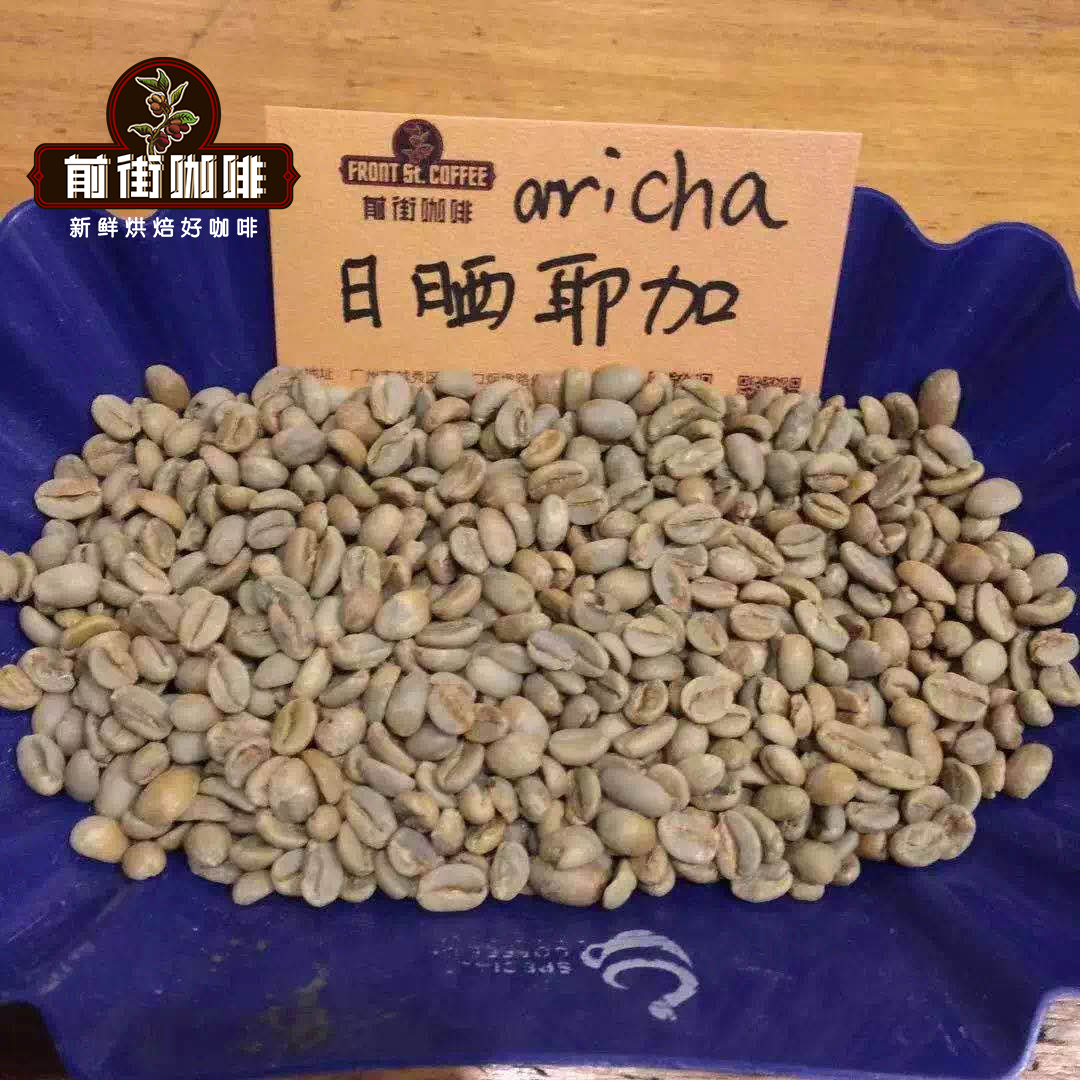
Fortunately, with the development of technology, coffee farmers are pursuing higher-quality naturally processed coffee beans, so they have begun to use instruments and manpower to closely monitor the degree of fermentation and drying of the coffee, removing any coffee found to be abnormal. Of course, the cost of this operation is higher, but it is also more meticulous, so it is also called fine natural processing.
Flavor performance of naturally processed coffee beans
Because naturally processed coffee beans are exposed to the sun for a long time, their flavor is also more intense, with richer layers, a fermented aroma, and relatively high sweetness.
What is the washed processing method?
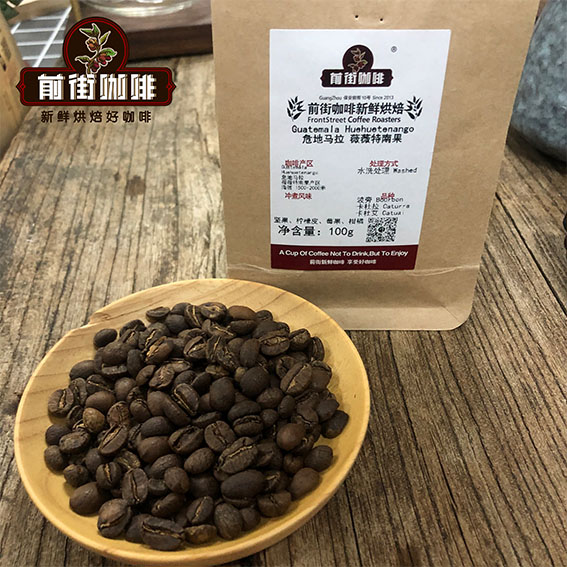
The second common coffee processing method is washed processing. Most of FrontStreet Coffee's coffee beans from different producing regions are also washed processed, especially the everyday beans launched by FrontStreet Coffee, because washed coffee beans are cleaner and their flavor expression is more transparent, matching the most original taste of the coffee cherry. Therefore, FrontStreet also often says that the flavor of washed coffee beans is the guiding light for understanding the flavor of a producing region.
Washed processing method process
1. First, coffee farmers pour all the harvested coffee cherries into water. In this way, bad and defective coffee beans will float to the surface, while the coffee cherries that sink to the bottom are the ones that pass quality standards. This operation also greatly reduces the time wasted in picking them out one by one.
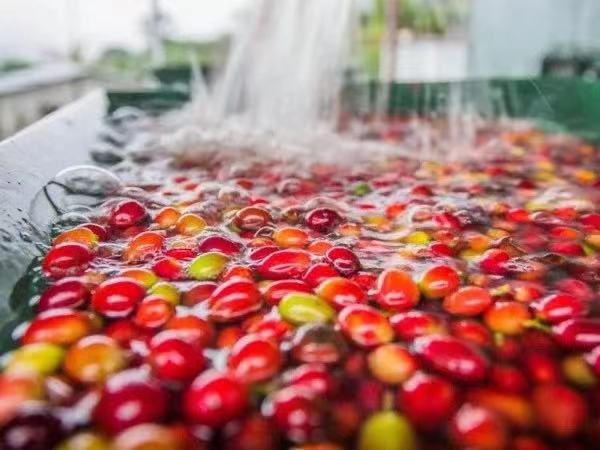
2. Put the sorted coffee cherries into a depulper to remove the skin and pulp. After these are removed, there will still be a layer of sticky pectin on the surface of the coffee cherries, so a large amount of clean water is needed to wash the sticky substance off the surface of the coffee cherries.
3. Next, fermentation is used to completely remove the pectin. This process takes about 18 hours, but after fermentation is complete, fermentation bacteria remain attached to the surface of the coffee cherries, so they need to be washed again with a large amount of clean water. In this step, obtaining 1 kilogram of coffee beans requires consuming 40 to 50 kilograms of clean water, so it is not suitable for dry countries.
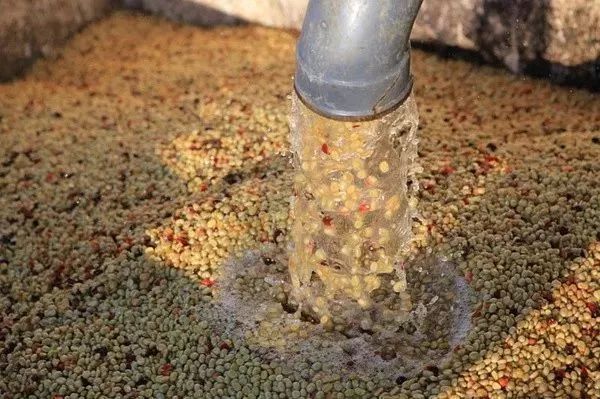
4. The cleaned coffee beans can then be dried. Some regions take them outdoors to dry directly, while some more developed producing regions send them to processing plants for machine drying, thereby reducing the coffee's moisture content to about 11%.
5. Finally, the dried coffee beans are stored and packaged and can then be sold for export.
Advantages and disadvantages of washed processing
Advantages: Coffee beans washed with a large amount of water have fewer impurities and a relatively intact appearance. Moreover, because the skin and pulp of the coffee cherries are removed by washing at the beginning, there is no need to worry about mold, so the overall quality is relatively stable.
Disadvantages: The washed processing method is relatively complex and tedious and requires a large amount of water, so the cost is higher, and it is less used in water-scarce regions.
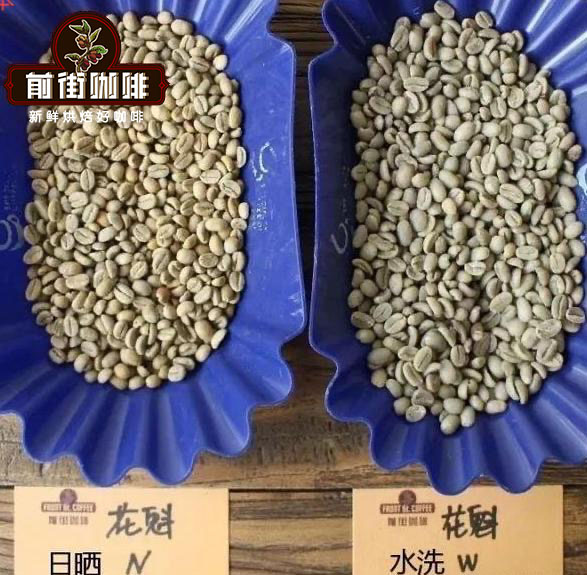
Flavor performance of washed coffee beans
As FrontStreet said above, washed coffee beans are cleaner and more transparent in flavor, with acidity and fruity aroma, a bright mouthfeel, and slightly lower sweetness and body.
The difference between washed and naturally processed coffee beans
As mentioned above, there are great differences between the processes for naturally processed coffee beans and washed coffee beans. In daily cupping and brewing, FrontStreet Coffee believes that washed coffee beans have stable quality, a clean mouthfeel, and better acidity and brightness; while naturally processed coffee beans have a tropical fruit sweet-and-sour sensation, retain the coffee beans' natural mellow richness, have rich flavor layers, and sometimes carry a slight wine aroma. Each has its own advantages, and there is no such thing as one being better than the other.
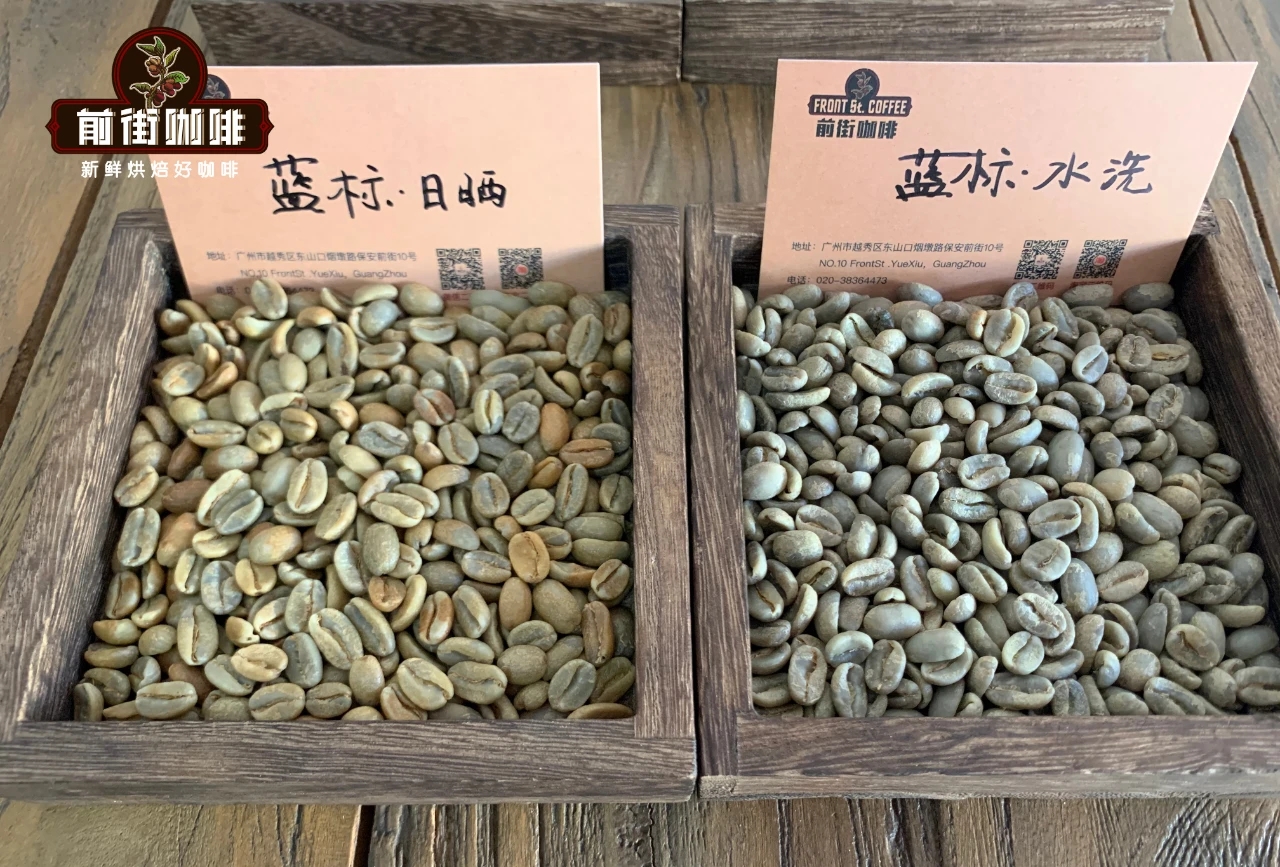
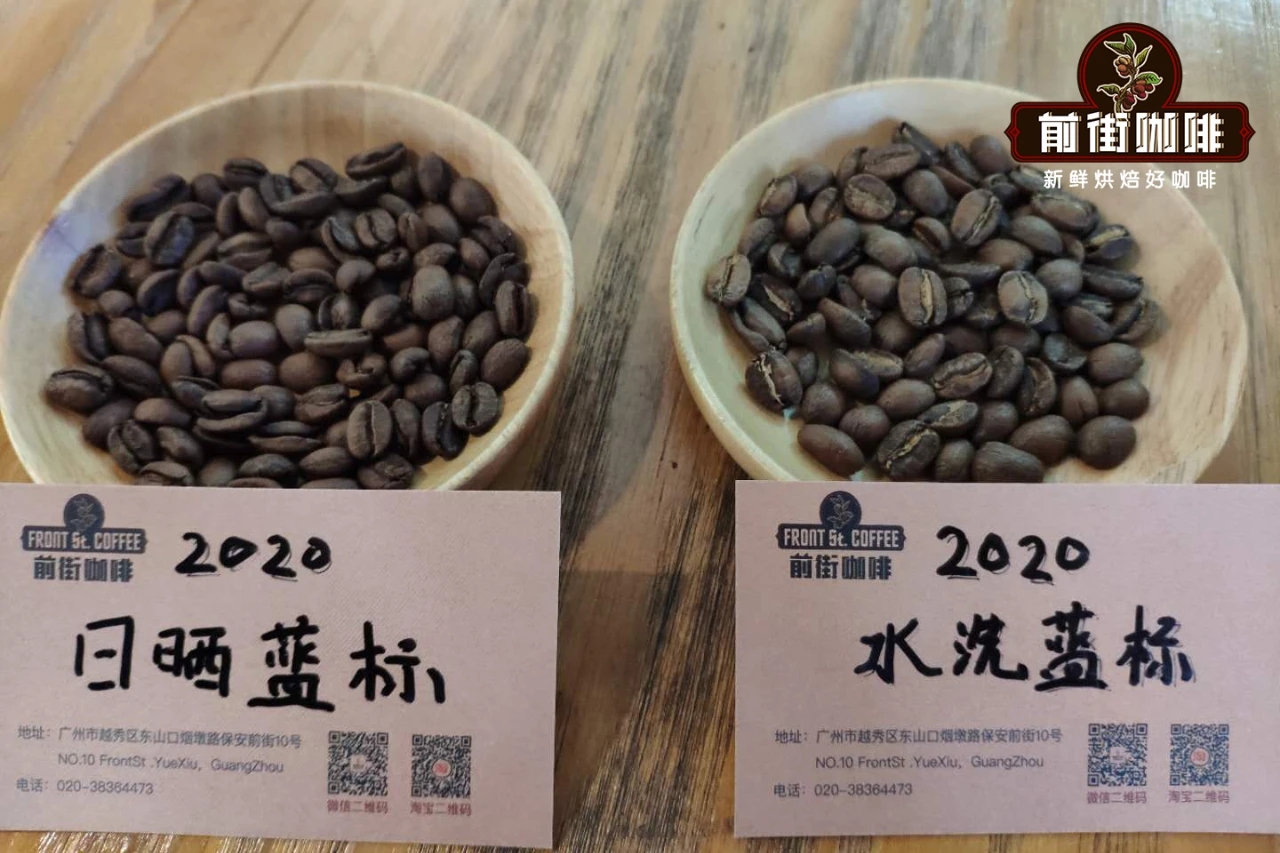
The above is what FrontStreet Coffee has compiled regarding the flavor differences between washed and naturally processed coffee beans. Next, FrontStreet Coffee will give two more examples, two Panama Hacienda La Esmeralda Blue Label Geisha coffee beans, one naturally processed and one washed processed, to give coffee fans a more intuitive understanding of the relevant knowledge about the flavor differences between these two processing methods.
FrontStreet Coffee · Panama Washed Blue Label Geisha Coffee Beans
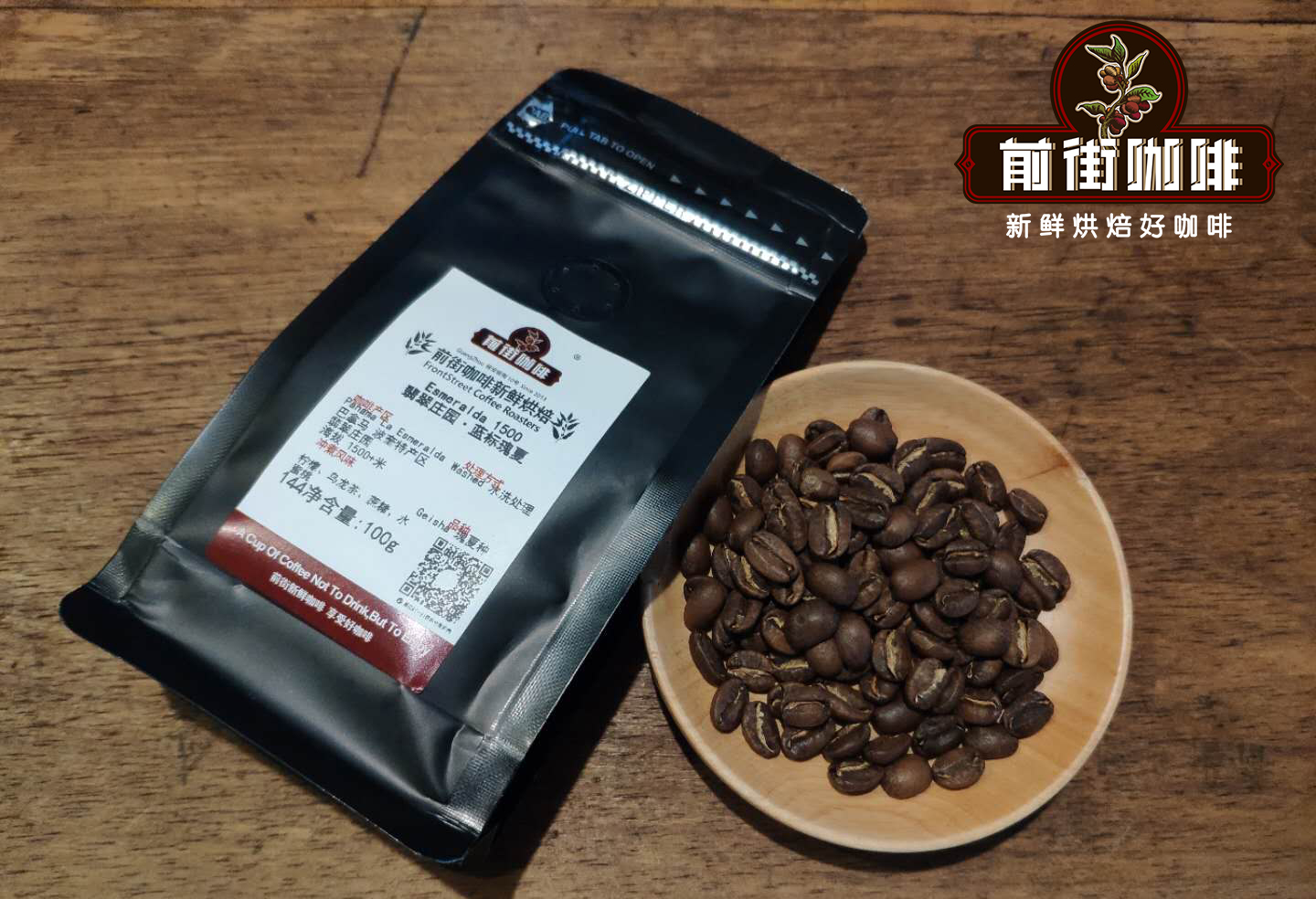
Country: Panama
Producing region: Boquete Hacienda La Esmeralda
Altitude: 1500 meters
Variety: Geisha
Processing method: Washed processing
FrontStreet Coffee · Panama Natural Blue Label Geisha Coffee Beans
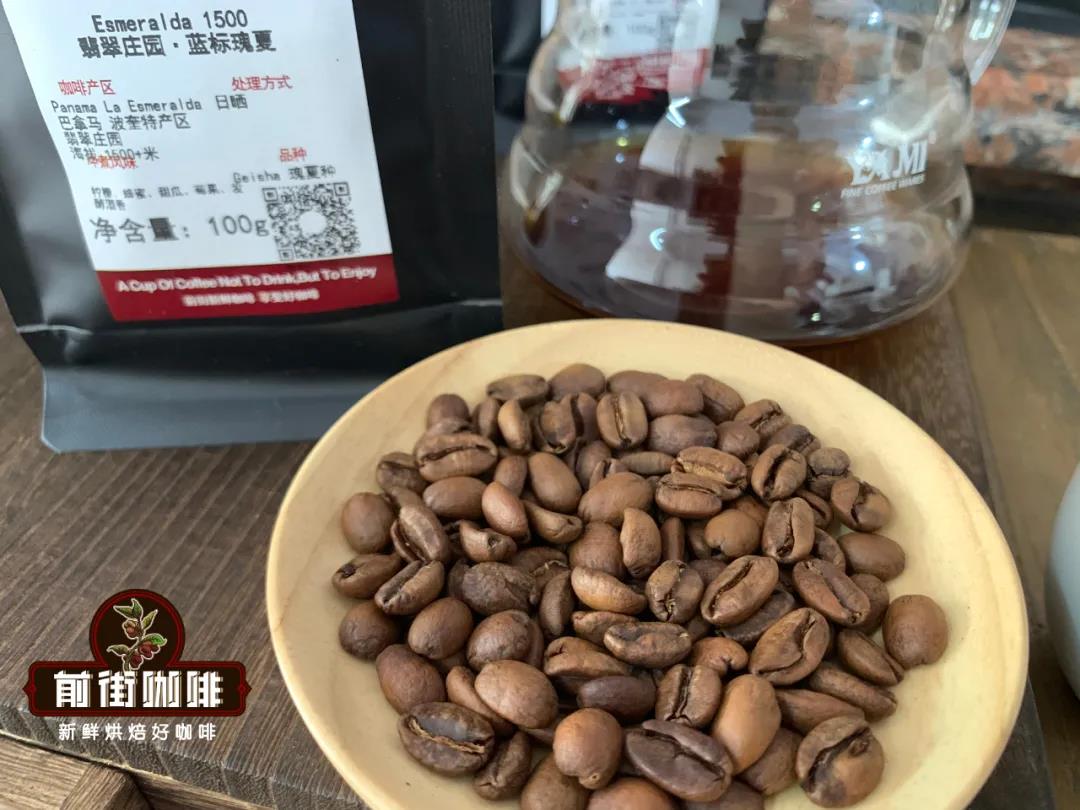
Country: Panama
Producing region: Boquete Hacienda La Esmeralda
Altitude: 1500 meters
Variety: Geisha
Processing method: Natural processing
FrontStreet Coffee Roasting Sharing
Both of these beans are Geisha variety coffee beans. Therefore, in order to highlight the acidity and floral and fruity aroma of this variety, FrontStreet Coffee used a light roast for both coffee beans.
Charge into the drum at 180℃, heat power 130, damper opened to 3; turning point 1'32", when the drum temperature is 104℃ open the damper to 4, heat power unchanged; when the drum temperature is 151.6℃ the bean surface turns yellow, the grassy smell completely disappears, and it enters the dehydration stage; at 7'56", the bean surface shows ugly wrinkles and dark spots, and the toasted bread smell clearly turns into coffee aroma, which can be defined as the prelude to first crack. At this time, listen carefully for the sound of first crack. At 8'30" first crack begins, open the damper to 5, develop for 1'28 after first crack, and drop the beans at 190℃.
Brewing suggestion
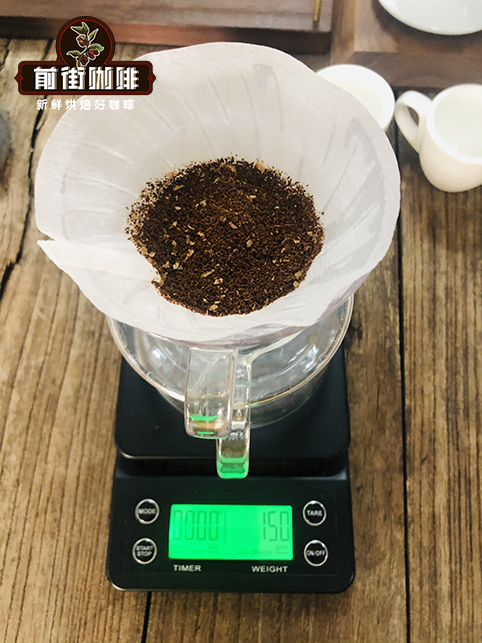
Dripper: V60#01
Water temperature: 90-91℃
Dose: 15g
Coffee-to-water ratio: 1:15
Grind size: medium-fine grind (80% passing rate on China standard No. 20 sieve)
Brewing method: three-stage extraction.
Use 30 grams of water for a 30-second bloom, then pour in a small stream in circles until 125 grams and pause for a stage; when the water level drops and is about to expose the coffee bed, continue pouring until 225 grams and stop pouring; when the water level drops and is about to expose the coffee bed, remove the dripper. (Time from the start of the bloom) The extraction time is 2'00".
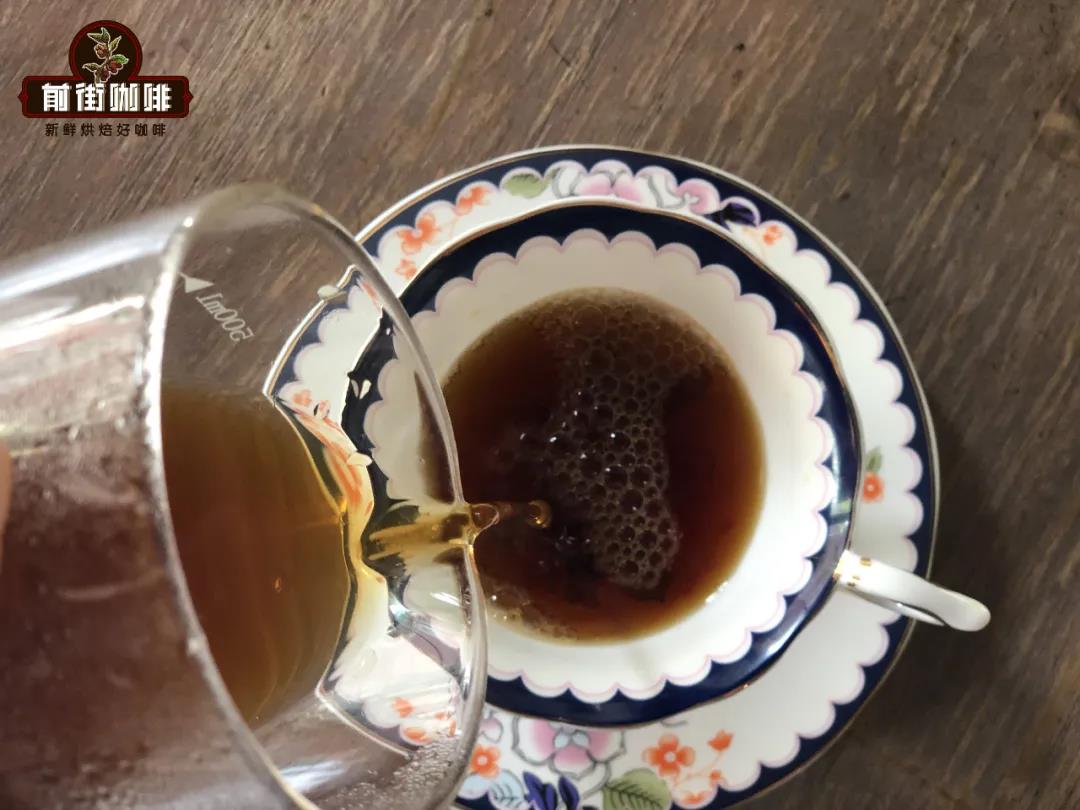
Flavor of naturally processed Blue Label Geisha coffee beans: lemon, honey, passion fruit, fermented wine aroma.
Flavor of washed Blue Label Geisha coffee beans: jasmine floral aroma, citrus, bright acidity, honey.

Light Roast Pour-Over Floral Coffee Beans Recommendation: Qianjie Yirgacheffe Gedeo Dingding, Qianjie Panama Hacienda La Esmeralda Green Label Geisha Coffee Beans, QianjiePanama Butterfly Coffee Beans
Daily medium-light roast Yirgacheffe pour-over floral coffee bean recommendation, Qianjie Yirgacheffe Guddina, light roast brings the signature white floral notesAromatic, with lemon-citrus fruit notes and a refreshing floral tea note; bright and crisp on the palate. Great value and an ideal entry-level pour-over coffee with floral and fruity notesAn unrivalled choice.
Moka pot, home espresso, and espresso-based milk drinks like latte — recommended beans: Qianjie Classic Espresso Blend, using BrazilianWest, with Mandheling Arabica and a small amount of Vietnamese Robusta fully blended, delivering a rich and outstanding espressocrema; overall style is rich and memorable. Qianjie Brazil Queen's Estate coffee beans and Qianjie Classic Espresso Blend coffee beans are both mochaA highly recommended option for pot-style espresso machines.
Fruity-floral signature espresso latte bean recommendation: Qianjie Strawberry Candy espresso blend, featuring strawberry gummy and rose aromas,Full-bodied sweetness with a grape and almond finish; especially stunning as an iced latte. Made from Costa Rican honey-process beans, PanamaBlended from Panama Geisha coffee beans and select beans from Colombia's Huila region. Not only does it overturn traditional espresso flavor, the cremaalso performs well, with impressive showings in creative specialty drinks.
Now available on Taobao store「 Qianjie Coffee 」To purchase the above coffee beans, Qianjie Coffee offers dozens of selected single-origin pour-over and espresso coffee beans from around the world. Qianjie CoffeeQianjie Coffee is a veteran specialty coffee roaster; beans are freshly roasted within 5 days, with consistent quality and highly competitive pricesGreat value, ships within 24 hours. Qianjie Coffee is recommended by many coffee lovers and platforms.
Taobao Qianjie Coffee Link: https://qianjiecoffee.taobao.com
Or search our shop directly on Taobao 「Qianjie Coffee」
Qianjie Coffee Store Address: 315 Donghuadong Road, Yuexiu District, Guangzhou

Site Recommendations: 耶加雪菲 花魁咖啡 瑰夏咖啡 波旁咖啡 蓝山咖啡 天堂鸟咖啡豆 曼特宁咖啡豆 PWN黄金曼特宁 星巴克菜单 咖啡豆种类
Please indicate the source when reprinting.
2016-12-12 10:51:55
