Mandheling is neither a coffee variety name nor a producing region name, but originates from the Mandailing people who grew coffee, and only through successive translations became today's name. Nowadays it generally refers to Arabica coffee beans from North Sumatra, Indonesia, with the Aceh and Lintong producing regions centered on Lake Toba being the most famous. G1 is the highest grade in Indonesia's green bean classification, with the standard being fewer than 11 defects per 300 grams of green beans, and bean size generally at 18 screen. Golden Mandheling is a registered trademark of the Indonesian green bean trader PWN, undergoing three rounds of manual sorting and one machine sorting; only beans produced by PWN may use this name.
For professional coffee knowledge exchange and more coffee bean information, please follow Coffee Workshop (WeChat public account cafe_style )
Indonesian Mandheling coffee is one of the world's famous coffee beans. There are many types of Mandheling, and many friends cannot distinguish Golden Mandheling from Mandheling G1 coffee. FrontStreet Coffee takes this article to popularize information about Mandheling coffee.
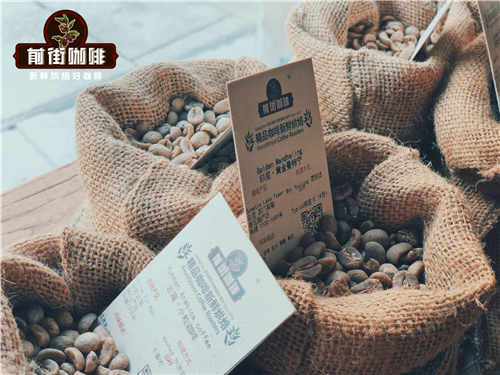
Indonesian Mandheling Coffee Beans
Mandheling coffee is not the name of a coffee variety, nor the name of a coffee-growing region; the origin of its name comes from the tribe that grew coffee——the Mandailing people. When Japanese soldiers returned to Japan after colonizing Indonesia, they could not forget the delicious local coffee, so through trade friends they asked locals to help collect high-quality coffee beans. When asked what the coffee beans were called, the locals mistakenly thought they were being asked who they were, and blurted out "Mandailing." And through successive translations it became "Mandheling."
Now Mandheling coffee generally refers to Arabica coffee beans from North Sumatra, Indonesia. Among them, the most famous producing regions are the Aceh region centered on Lake Laut Tawar and the Lintong region centered on Lake Toba. These two major producing regions are known as the "Two Lakes, Twin Man."
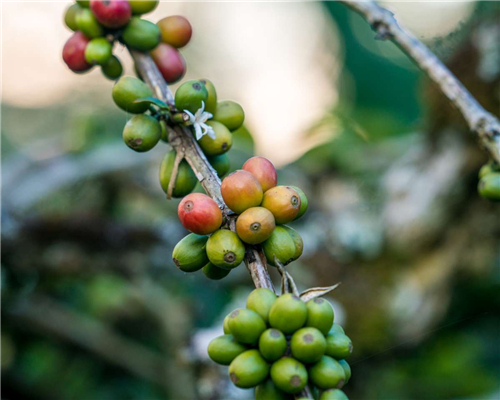
Mandheling G1 Coffee Beans
This can actually be said to be the highest-quality tier among Mandheling coffees. G1 is the highest grade in Indonesia's green coffee bean classification; the G1 standard is fewer than 11 defects per 300g of green beans, and Mandheling coffee is also compared by bean appearance and size, so Mandheling G1 coffee beans are generally all 18 screen. And Mandheling G1 coffee beans basically only need to pass the G1 grade of green bean classification in North Sumatra to be called Mandheling G1 coffee beans.
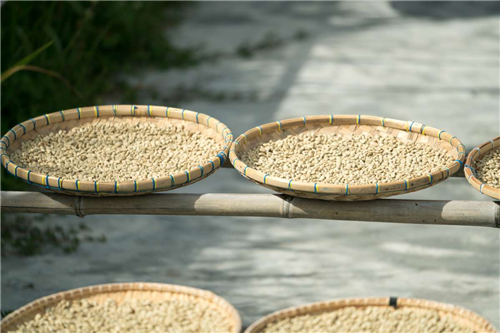
Golden Mandheling Coffee Beans
Golden Mandheling is not just a name, but also the trademark of the Indonesian green bean trader PWN. PWN's is truly Golden Mandheling in the real sense; Golden Mandheling bearing the PWN brand is also a guarantee of quality. PWN's Golden Mandheling coffee beans undergo three rounds of manual sorting and one machine sorting, and the beans are very beautiful. PWN Company has registered Golden Mandheling as a trademark, which means that only Golden Mandheling produced by PWN Company can be considered真正的 "Golden Mandheling." Many beans on the market that are not from PWN Company but carry the Golden Mandheling name should actually be called specialty Mandheling.
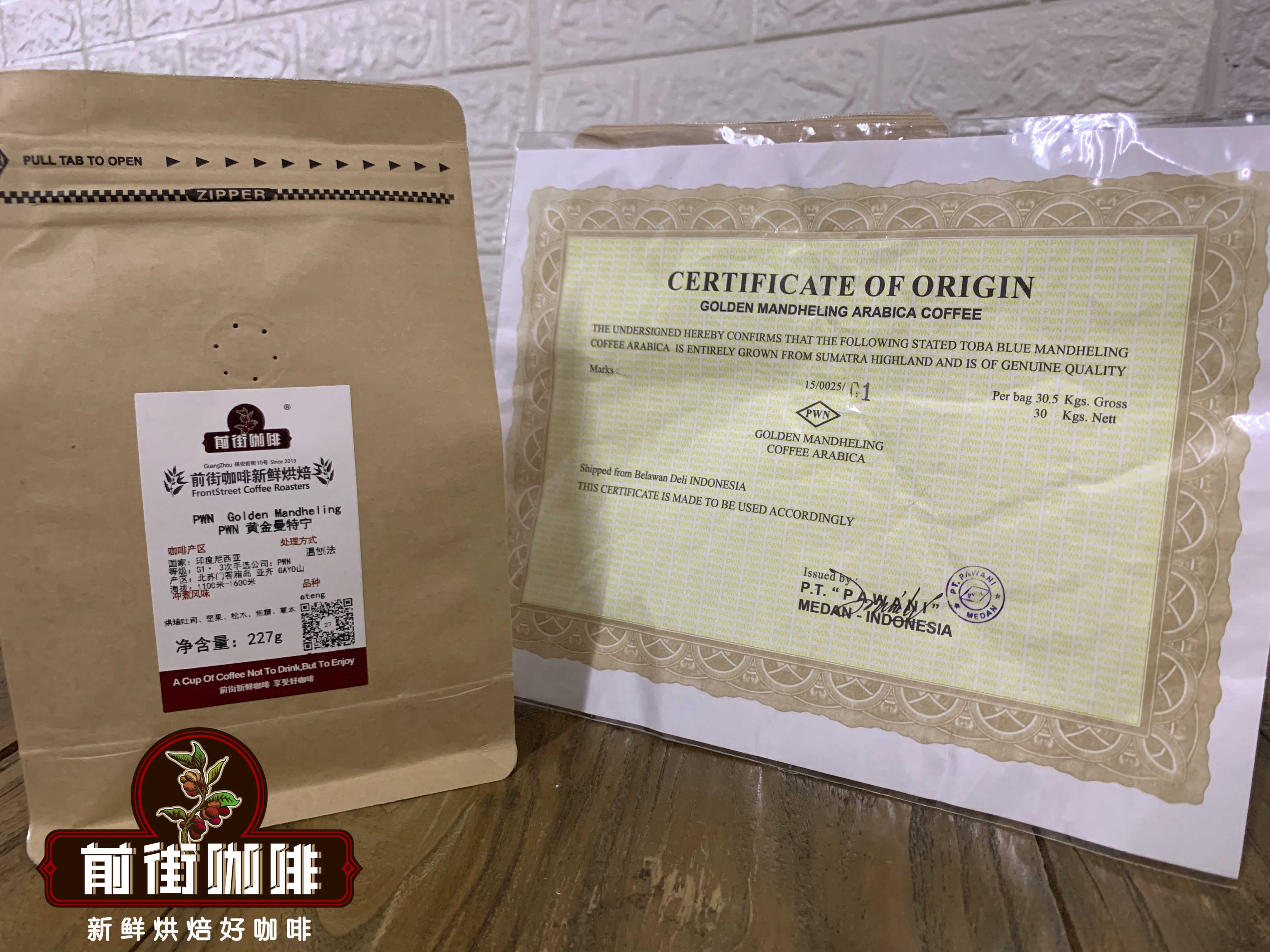
FrontStreet Coffee's Golden Mandheling coffee has certificate authentication from PWN Company.
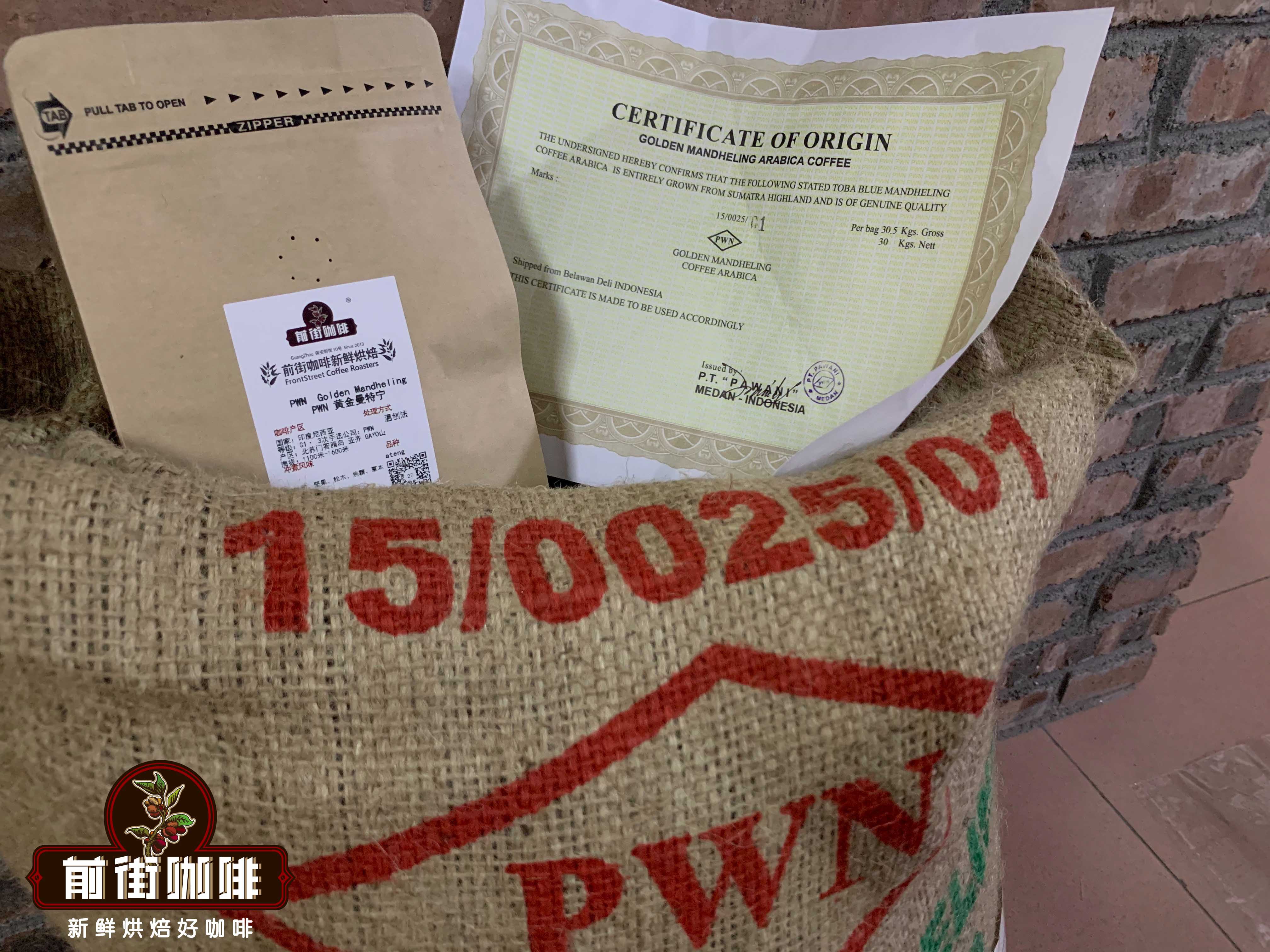
FrontStreet Coffee FrontStreet PWN Golden Mandheling
Producing region: North Sumatra, Aceh, Mount Gayo
Altitude: 1100-1600m
Variety: Ateng
Processing method: Wet-hulled
Grade: G1, three times hand-sorted
Mount Gayo in Aceh is at the northernmost corner of Sumatra. Coffee cultivation on Mount Gayo is mainly around Takegon town and the slopes beside Lake Tawar. Altitude in the production area averages between 1100 - 1600 meters, and its coffee quality has always been excellent, but due to previous political instability, coffee from this region was difficult to export. In recent years the situation has been peaceful, and Aceh's coffee cultivation has also developed, with quality also superior to the Lintong region.
Compared with other Mandheling, Golden Mandheling has a stronger sweet aftertaste and sucrose aroma. Although everyone knows that only PWN's Mandheling is called Golden Mandheling, in fact PWN's annual output is not large, so a large portion of large-screen selected Golden Mandheling is not from PWN. If you are not sure, you might as well ask the seller to provide the certificate attached by PWN with the beans.
Coffee Variety
Golden Mandheling's coffee variety is "Ateng." This seems to be a very unfamiliar coffee variety. In fact, Indonesia's local names for coffee varieties are somewhat different; for example, what Indonesia calls Tim Tim is what we call Timor. And Ateng is the Indonesian localized name for Catimor. The Ateng variety is very suitable for planting and flavor development in the Aceh region. Ateng coffee planted in the Aceh region does not have the grassy smell of Catimor.
Coffee Processing Method
Golden Mandheling coffee uses the wet-hulled processing method for coffee processing. Wet-hulling is a processing method unique to Indonesian origins. Indonesia's humid and rainy climate makes sun-dried processing, which requires long periods of sun drying, difficult to carry out. At the same time, this unique processing method produces the herbal, spicy, and full-bodied flavor profile unique to Indonesian coffee.
Wet-Hulled Processing Steps
1. Depulping/pulping
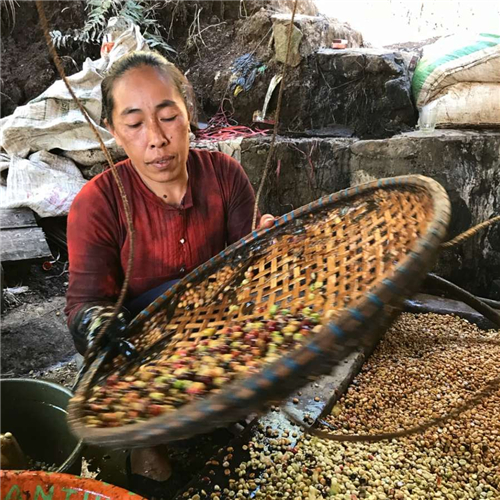
As with washed processing, after picking, the coffee cherries need to be processed as soon as possible. In Indonesia, coffee cherries are generally depulped by smallholders themselves; this step removes the skin of the coffee cherries and part of the pulp.
2. Washing
The depulped coffee beans are soaked in water for 1 to 2 hours and rubbed against each other to remove part of the mucilage.
3. Drying
The soaked coffee beans undergo the first drying at the farmers' homes. At this point the coffee beans' moisture content drops to between 20% and 35%.
4. Collection
After the first drying, the coffee beans are sent to the market for sale. At this time the mucilage layer of the coffee beans has not yet solidified and is in a sticky state. These coffee beans are then purchased, collected, and sent to the processing plant for the next processing step.
5. Drying
The coffee beans collected and sent to the processing plant first undergo a second drying; this step brings the coffee beans' moisture content down to about 18%.
6. Depulping/wet-hulling
After the second drying, the coffee beans are put into a coffee hulling machine for wet-hulling; this process removes the coffee's mucilage and parchment layer. What differs from other processing methods is that wet-hulling removes the parchment layer before the coffee beans' final drying, while washed processing and others retain the parchment layer for drying until the parchment layer is removed before export transportation.
7. Drying & Storage
Finally the coffee beans are once again sent to the drying yard for final drying; this step brings the coffee beans' moisture content down to 11%. The dried coffee beans are bagged and stored in warehouses awaiting transport for export.
FrontStreet Coffee Roasting
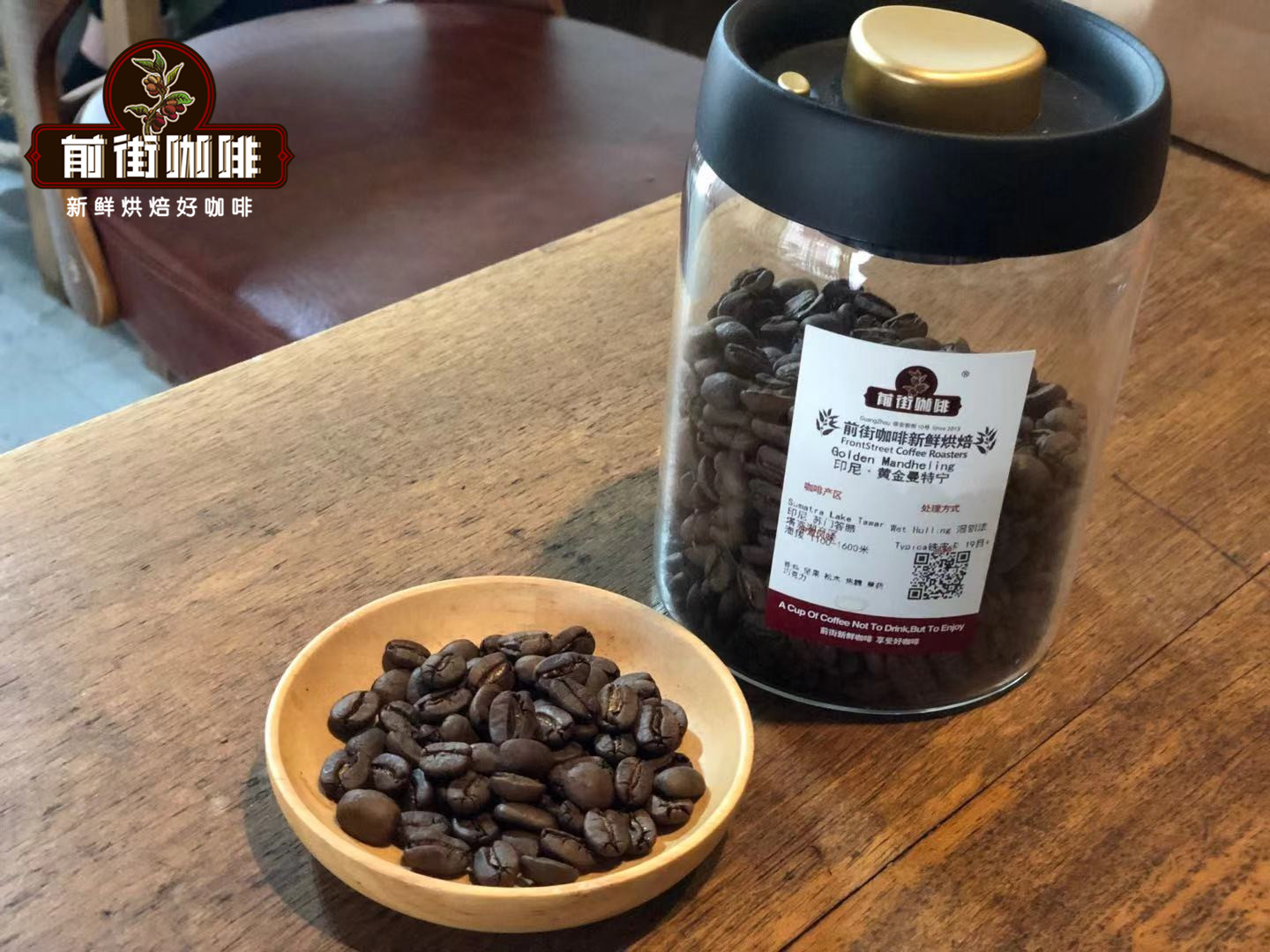
Golden Mandheling has a high-quality herbal aroma, stronger caramel sweetness, and a relatively steady and elegant fruity acidity, abundant sweetness, and a full-bodied, wild spicy flavor. Generally Lintong Mandheling is best roasted until after second crack before unloading, which can effectively reduce off-flavors, but Golden Mandheling unloaded before second crack has good transparency and sweetness, and the room for roasting interpretation is broader.
What grind size should be used to brew Mandheling?
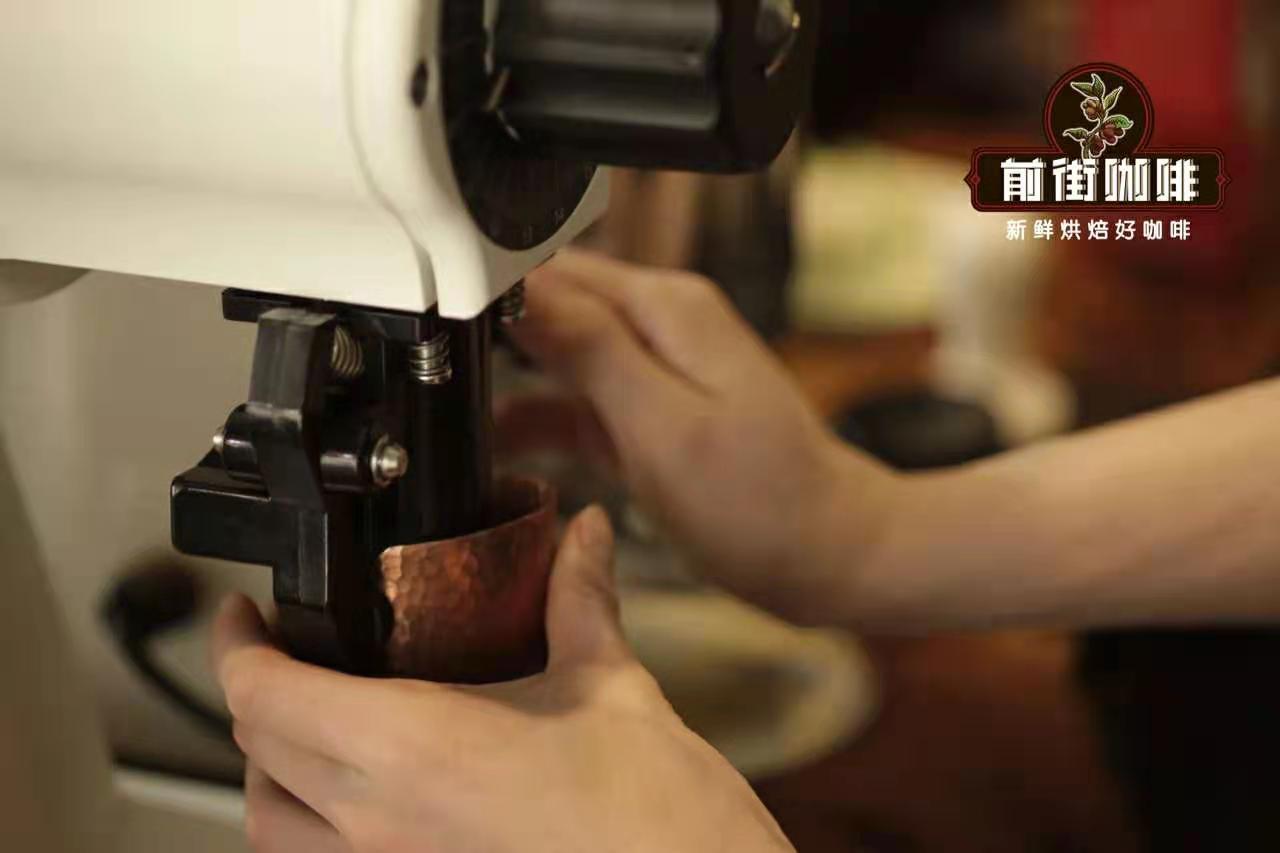
Because Mandheling coffee uses a dark roast, the structure in the coffee is loose and coffee substances are easily extracted. Therefore, in order to avoid excessive bitter substances being extracted into the coffee, a slightly coarser grind size is used. According to the standard used by FrontStreet, the pass rate through a 0.85mm standard sieve is about 57%.
For the coffee-to-water ratio, use 1:13, with 20 grams of coffee powder. Lowering the coffee-to-water ratio can make the coffee taste richer and more intense. Use a water temperature of 87°C and a Kono dripper.
Brewing process: Slowly pour in the coffee powder, trying to keep it level while pouring, and avoid shaking the dripper (because shaking will reduce the spacing between coffee grounds, which is not conducive to degassing during blooming). In the first stage, pour 40g of water in a small circle in the center and let it bloom for 30 seconds; the coffee bed will slowly expand and puff up into a "hamburger."
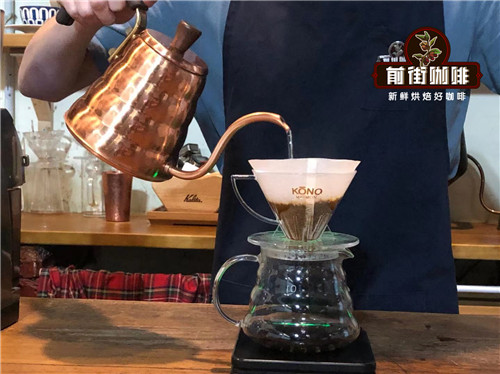
In the second stage, pour 120g in circles from the center outward, keeping the pouring height as close to the coffee bed as possible, with slow movements to avoid excessive agitation. In the final stage, pour 100g, and wait for all the coffee liquid in the dripper to flow into the server to end extraction. Extraction time is 2 minutes.
Flavor: spices, herbs, caramel, pine, nuts, chocolate.
For more specialty coffee beans, please add the personal WeChat of FrontStreet Coffee, WeChat ID: kaixinguoguo0925

Light Roast Pour-Over Floral Coffee Beans Recommendation: Qianjie Yirgacheffe Gedeo Dingding, Qianjie Panama Hacienda La Esmeralda Green Label Geisha Coffee Beans, QianjiePanama Butterfly Coffee Beans
Daily medium-light roast Yirgacheffe pour-over floral coffee bean recommendation, Qianjie Yirgacheffe Guddina, light roast brings the signature white floral notesAromatic, with lemon-citrus fruit notes and a refreshing floral tea note; bright and crisp on the palate. Great value and an ideal entry-level pour-over coffee with floral and fruity notesAn unrivalled choice.
Moka pot, home espresso, and espresso-based milk drinks like latte — recommended beans: Qianjie Classic Espresso Blend, using BrazilianWest, with Mandheling Arabica and a small amount of Vietnamese Robusta fully blended, delivering a rich and outstanding espressocrema; overall style is rich and memorable. Qianjie Brazil Queen's Estate coffee beans and Qianjie Classic Espresso Blend coffee beans are both mochaA highly recommended option for pot-style espresso machines.
Fruity-floral signature espresso latte bean recommendation: Qianjie Strawberry Candy espresso blend, featuring strawberry gummy and rose aromas,Full-bodied sweetness with a grape and almond finish; especially stunning as an iced latte. Made from Costa Rican honey-process beans, PanamaBlended from Panama Geisha coffee beans and select beans from Colombia's Huila region. Not only does it overturn traditional espresso flavor, the cremaalso performs well, with impressive showings in creative specialty drinks.
Now available on Taobao store「 Qianjie Coffee 」To purchase the above coffee beans, Qianjie Coffee offers dozens of selected single-origin pour-over and espresso coffee beans from around the world. Qianjie CoffeeQianjie Coffee is a veteran specialty coffee roaster; beans are freshly roasted within 5 days, with consistent quality and highly competitive pricesGreat value, ships within 24 hours. Qianjie Coffee is recommended by many coffee lovers and platforms.
Taobao Qianjie Coffee Link: https://qianjiecoffee.taobao.com
Or search our shop directly on Taobao 「Qianjie Coffee」
Qianjie Coffee Store Address: 315 Donghuadong Road, Yuexiu District, Guangzhou

Site Recommendations: 耶加雪菲 花魁咖啡 瑰夏咖啡 波旁咖啡 蓝山咖啡 天堂鸟咖啡豆 曼特宁咖啡豆 PWN黄金曼特宁 星巴克菜单 咖啡豆种类
Please indicate the source when reprinting.
2022-07-15 12:21:10
