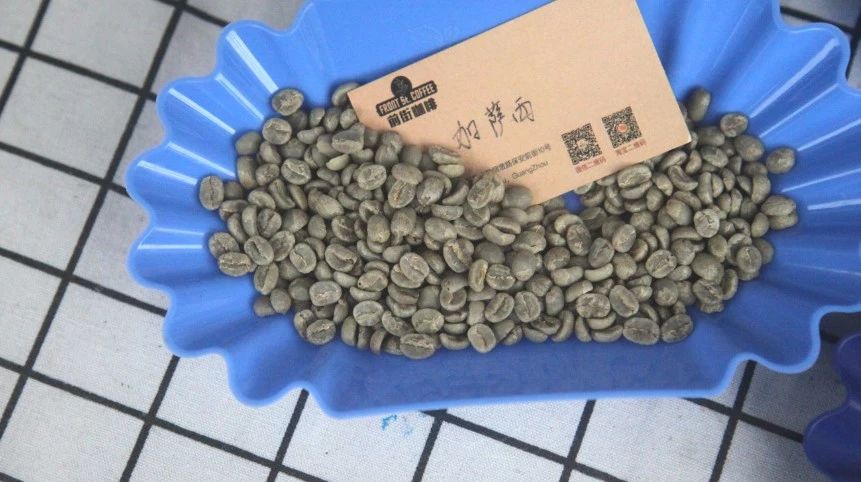
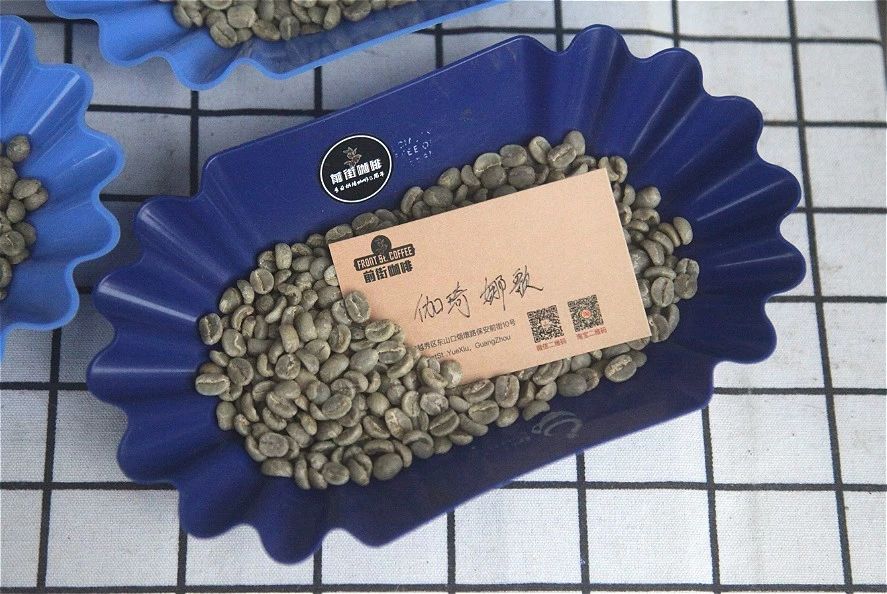
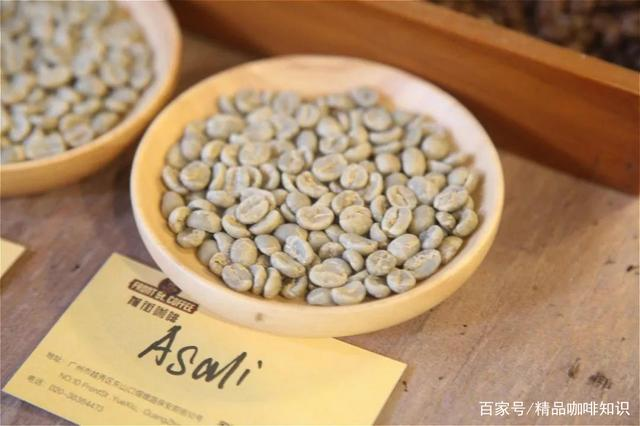
Kenyan coffee has a bright and full acidity, as invigorating as a natural carbonated drink, and this character is closely related to its varieties and terroir. The common SL28 and SL34 were selected by Scott Labs in the 1930s, and together with French Mission Bourbon and Ruiru 11, they form the main local cultivation system. Coffee is mostly concentrated in the volcanic areas at altitudes of 1,600 to 2,100 meters from the capital Nairobi to the surroundings of Mount Kenya. The low temperatures in the mountains make the beans grow slowly, allowing aromatic substances to fully accumulate, the acidity to be clearer, and the texture to be firmer.
Kenyan coffee is very acidic, but the acidity makes FrontStreet feel very pleasant, because it is bright and full, like a natural carbonated drink. Kenya is a famous coffee-producing region in Africa, and one that can be mentioned alongside Ethiopia. Kenya and Ethiopia are neighbors, but Kenya, also a coffee-producing country, started much later than Ethiopia.
Kenya's full name is the Republic of Kenya, located in eastern Africa, with the equator running through the middle and the East African Rift Valley running north to south. It borders Somalia to the east, Tanzania to the south, Uganda to the west, Ethiopia and Sudan to the north, and the Indian Ocean to the southeast. The country has many plateaus, with an average altitude of 1,500 meters. Mount Kirinyaga (Mount Kenya) in the center is 5,199 meters above sea level, with snow on the summit, and is the second-highest peak in Africa.
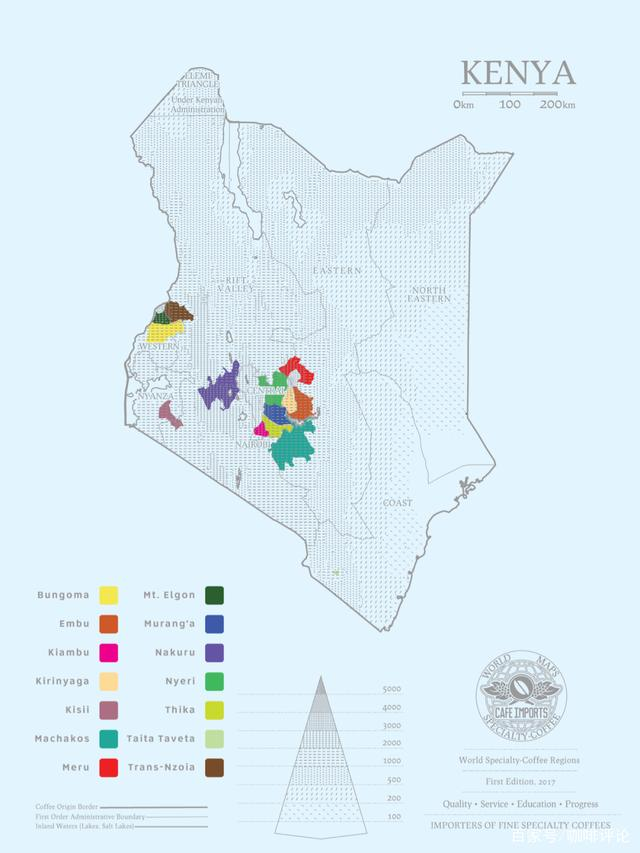
Altitude, latitude, geology: The equator runs through Kenya, and the country lies exactly within 10 degrees north and south latitude. It belongs to a tropical production area, with two rainy seasons each year and two harvests, 60% concentrated from October to December and the other 40% from June to August. Coffee is mainly planted in the volcanic areas at altitudes of 1,600-2,100 meters from the capital Nairobi to the surrounding mountainous areas of Kenya, and most coffee is planted above 1,500 meters. This altitude is suitable for the development of coffee bean flavor because the lower temperatures in the mountains slow growth, allowing the aromatic components of the coffee beans to fully develop, the fruity acidity to be more pronounced, and the texture to be harder. This fertile, crescent-shaped coffee zone is the main producing area of Kenyan specialty beans.
Coffee is Kenya's second-largest export product after tea.
African coffee-producing regions are characterized by and globally famous for their charming acidity and aroma, and Kenya is certainly no exception. Kenya is located in East Africa, right on the equator, with the Indian Ocean to the east, Ethiopia to the north, and Tanzania to the south. It is a major coffee country in East Africa and one of the extremely important and irreplaceable producing countries.
Kenya belongs to a tropical production area, with two rainy seasons each year and two harvests, 60% concentrated from October to December and the other 40% from June to August. Coffee is mainly planted in the volcanic areas at altitudes of 1,600-2,100 meters from the capital Nairobi to the surrounding mountainous areas of Kenya. This altitude is suitable for the development of coffee bean flavor because the lower temperatures in the mountains slow growth, allowing the aromatic components of the coffee beans to fully develop, the fruity acidity to be more pronounced, and the texture to be harder. This fertile, crescent-shaped coffee zone is the main producing area of Kenyan specialty beans.
Kenyan Coffee Varieties
In Kenya, the common varieties are SL28, SL34, French Mission Bourbon, and Ruiru 11.
SL-28 & SL-34
As early as the 1930s, the Kenyan government commissioned the newly established Scott Labs to select varieties suitable for the country. After 42 initially selected varieties were numbered and screened one by one, SL-28 and SL-34 were finally obtained. The former originates from Bourbon, and SL-34 originates from Typica; the two are not varieties of the same series. The original goal of breeding SL28 was to hope to produce large quantities of coffee beans that combined high quality with resistance to pests and diseases, while in some production areas the breeding goal was mainly high yield and disease resistance, without considering disease resistance.
Thanks to the Bourbon genes, although SL28's yield later fell short of expectations, its bronze leaf color and broad-bean-shaped beans have excellent sweetness, balance, and complex and varied flavors, as well as prominent citrus and smoked plum characteristics. SL34 has a similar flavor to SL28; in addition to complex and varied acidity and a great sweet finish, its mouthfeel is softer than SL28 and also cleaner. SL34 has French Mission, Bourbon, and more Typica lineage. Its bean appearance is similar to SL28, and it is better able to adapt to rainforest growth.
It later proved that the former received quite high praise, usually possessing blackcurrant-like acidity and complex flavor expression; although the latter is slightly inferior, it also has bright fruity flavors. These two varieties currently account for 90% of Kenya's production and have become generally recognized as the varietal representatives of Kenyan coffee. South America is currently also actively introducing SL28 as a planting variety.
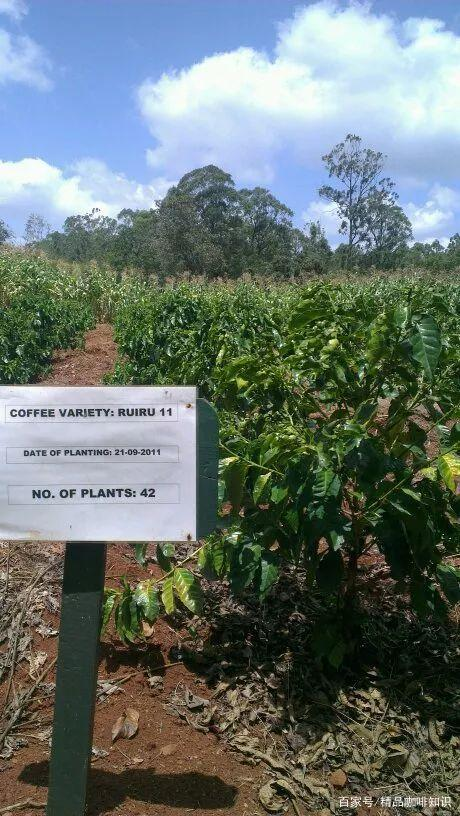
Ruiru 11: In 1985, there was a global outbreak of coffee leaf rust. Against this background, Kenya developed this hybrid variety that emphasized yield over quality, but its flavor quality is far inferior to the earlier SL28 and SL34, and it has not developed in the specialty coffee world. However, many suppliers, even of imported famous coffee, mix this hybrid bean into blends to reduce costs.
Kenyan Coffee Grading
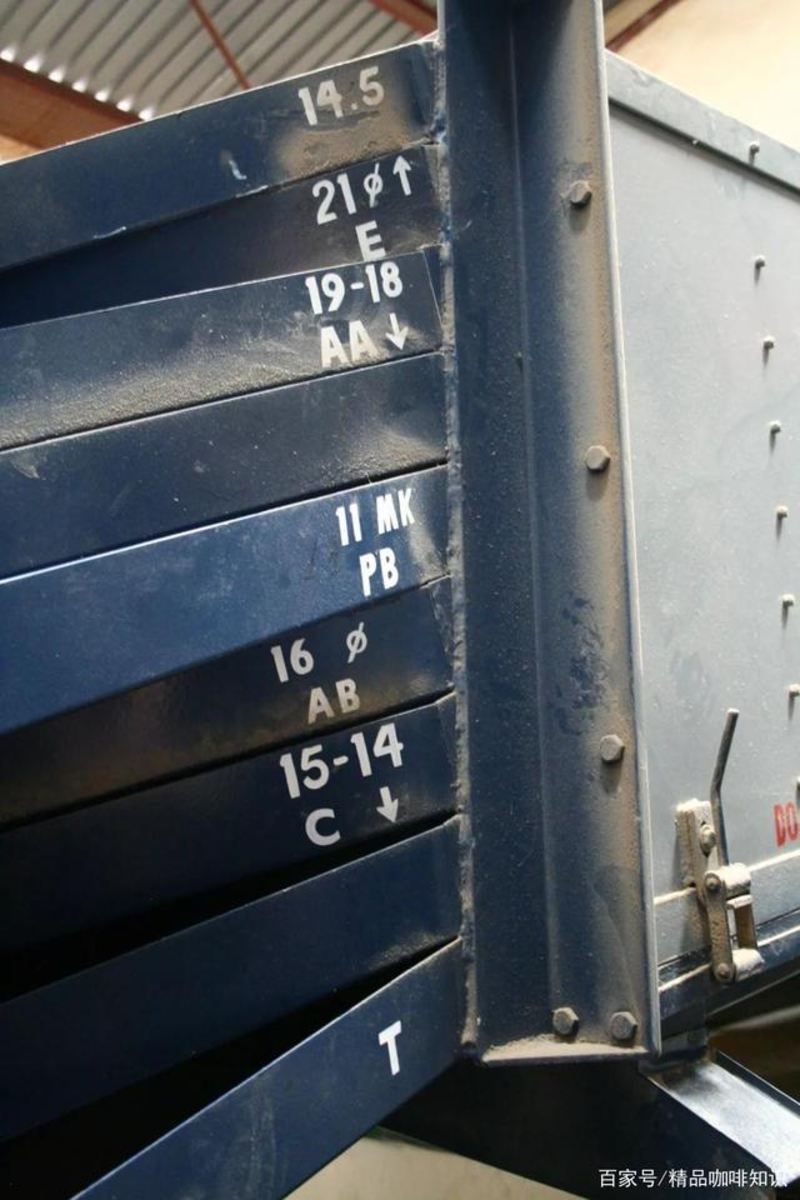
Kenyan coffee beans began using a strict grading system in the 1930s, mainly based on the size, shape, and hardness of the coffee beans, classified from high to low as AA or AA+, AB, PB, C, E, TT, and T, which can be used as a basis for selection, with coffee flavor also used as a reference. The grades currently common in the mass market are AA, AB, and PB.
Coffee Size Grading
Grade AA is a grade name for green coffee beans; it mainly refers to the size of the coffee beans. Grade AA refers to larger coffee beans, generally green coffee beans with bean particles above 17 mesh (17 mesh = sieve opening diameter 6.75 mm). AA is size 17 and 18 mesh, and AB is 15 and 16 mesh.
AA Plus (AA+): AA grade with particularly excellent cup quality (flavor, mouthfeel)
AA particle size (Screen Size) 17——18 size
AB particle size (Screen Size) 15——16 size, accounting for most of the output
C particle size (Screen Size) smaller than AB
TT: lighter-weight beans blown out from AA and AB grade beans by an airflow sorter
T: lighter-weight beans blown out from C grade beans by an airflow sorter
E Elephant Bean: a large mutant bean formed by two beans fused together, also called elephant ear
UG: those not meeting the above standards
PB Peaberry: classified by appearance, unrelated to flavor or weight.
Flavor Grading
In addition to size grades, they also use flavor grading methods TOP, PLUS, and FAQ to select delicious coffees for reference. The indicators are: green beans (size, color, defects), roasted beans, and cupping quality (acidity, body, flavor characteristics, defects). In actual use, they simplify this into Acidity-Body-Flavor to quickly score each bean, with each item scored 1-3 points. If a bean is marked 1-1-1, it corresponds to TOP AA.
Due to multiple factors in the actual trading of Kenyan coffee: 1. high price, 2. many lots, such as this three-item scoring system specially used to cope with the large number of lots; 3. there is also a direct trading model outside the exchange channel; 4. small volume. Therefore, FrontStreet Coffee collects samples frequently, requesting 40-50 different Kenyan samples from different channels each year for roasters to roast and taste the different varieties of Kenyan acidity, ultimately selecting the one or two we think best represent Kenya to put on the shelf.
Kenyan Processing Methods
Just as honey processing is to Costa Rica and wet hulling is to Indonesia, how can Kenyan coffee be mentioned without the [K72 processing method]? The [Kenyan-style 72-hour fermentation washed processing method] originated in Kenya and adopts a repeated cyclic processing method of washing after fermentation. After harvesting, the same day it is processed by screening the highest-quality cherries for pulping and fermentation. The fermentation time is 24 hours, and after 24 hours it is washed with clean river water. Then it is again fermented with clean river water for 24 hours and washed again. After repeating the cycle 3 times to reach 72 hours, it is therefore called the Kenyan-style 72-hour fermentation washed processing method, abbreviated as [K72].
First Washing and Fermentation
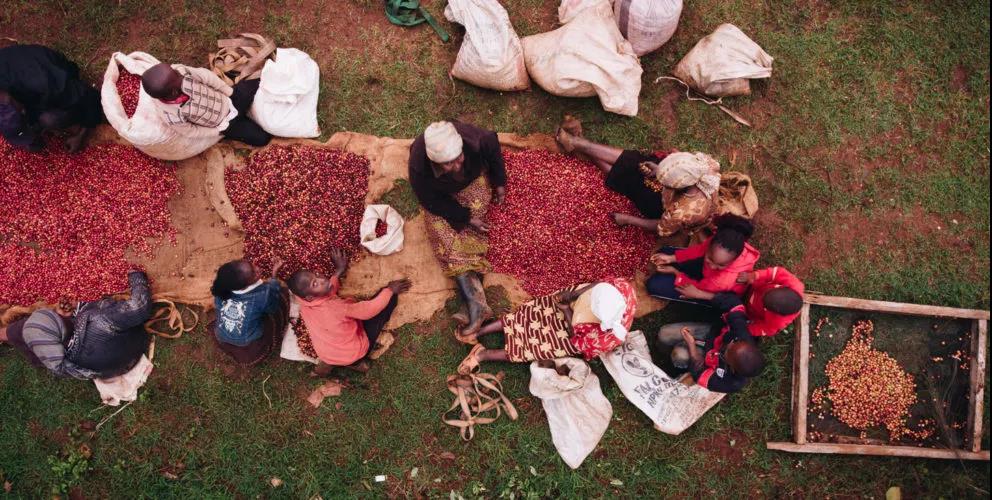
After the coffee cherries are harvested, they first undergo water-flow density sorting. The principle is to use the density and mass differences of the coffee fruit itself for screening; high-density (heavier) coffee beans sink into the water, while low-density coffee beans float. Fully ripe, high-quality coffee fruits have high density, and these are selected for further processing.
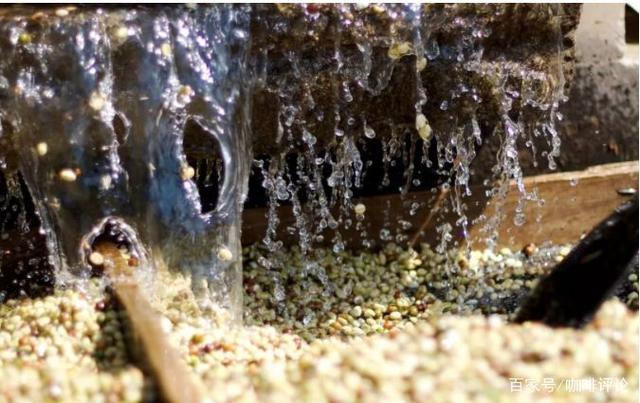
After selecting high-quality and sufficiently ripe fruits, the skin is removed and they are soaked in water for washing, allowing the pectin mucilage attached to the outer layer of the green beans to undergo fermentation. Pectin has natural sugars and alcohols, which play a crucial role in the development of coffee sweetness, acidity, and overall flavor. The fermentation lasts up to 24 hours, and after fermentation 80-90% of the pectin can be removed, leaving only the flavor inside the coffee beans.
Second Washing and Fermentation
Then comes the second washing and fermentation procedure. After the coffee beans from the previous stage are cleaned, they are soaked in water again for 24-48 hours. This process increases protein and amino acids, and the acidity of the coffee beans thus develops complex and delicate layers of mouthfeel. Finally, all remaining pectin is removed, and the coffee beans are moved to raised drying tables for sun drying.
The fermentation lasts up to 24 hours, and after fermentation 80——90% of the pectin can be removed, leaving only the flavor inside the coffee beans. Finally, all remaining pectin is removed, and the coffee beans are moved to raised drying tables for sun drying. The drying time depends on weather conditions and generally takes about 5——10 days to complete.
Kenyan Coffee Producing Regions
The most famous coffee-producing regions in Kenya are the seven major regions: Thika, Kirinyaga, Mt. Kenya West, Nyeri, Kiambu, Ruiru, and Muranga. Among them, the foothills of Mt. Kenya and Aberdare are the main producing areas.
The flavor of each producing region in Kenya is very different. Kenya is divided nationwide into 47 “counties”.
The coffee characteristics of different counties are distinct. Kenyan coffee trees are mostly planted at altitudes of 1,400-2,000 meters, with two harvests a year. The growing areas include Ruiri, Thika, Kirinyaga, Mt. Kenya West, Nyeri, Kiambu, and Muranga. The foothills of Mt. Kenya and Aberdare are the main areas. For example, the coffee characteristics of the Embu production area are balance, citrus fruits, chocolate, apple, and acidity. The coffee characteristics of the Nyeri production area are white grape, juicy, grapefruit and cherry tomato flavors, very fruity, and sweet like caramel.
Main Kenyan Coffee Producing Regions:
NYERI
NYERI: Nyeri, located in central Kenya, is the site of the extinct volcano Mount Kenya. The red soil of this area nurtures Kenya's best coffee. Agriculture is extremely important here; coffee is the main crop among them. Cooperative societies made up of smallholders are more common than large estates. There are two harvests in this area, but coffee from the main season is usually of higher quality. This producing area is famous for its thick acidity like blackberry and its floral and fruity aroma.
Altitude: 1,200-2,300 meters
Harvest period: October-December (main season), June-August (secondary season)
Varieties: SL-28, SL-34, Ruiru 11, Batian.
MURANG'A
MURANG'A: This area, under Central Province, has about 100,000 coffee farmers. This producing area is not far from Nairobi and was the place where the first missionaries chose to settle because Portugal prohibited them from living in the coastal area. This is another producing area that benefits from volcanic soil, with more small coffee farmers than estates. It has a brighter acidity.
Altitude: 1,350-1,950 meters
Harvest period: October-December (main season), June-August (secondary season)
Varieties: SL-28, SL-34, Ruiru 11, Batian
EMBU
EMB: This area near Mount Kenya is named after Embu town. About 70% of the local population is engaged in small-scale farming. The most popular cash crops in the area are tea and coffee. Almost all coffee comes from smallholders, and the output of this area is relatively small. The acidity is not as good as Nyeri, but the flavor is balanced enough.
Altitude: 1,300
MERU
MERU: Most of the coffee in this area is grown by smallholders on the foothills of Mount Kenya and in the Nyambene Hills. The name refers to the magnetic zone and the Meru people who live here. In the 1930s, they were the first Kenyans to begin producing coffee. This was due to the white paper signed in 1923 (the Devonshire White Paper), which guaranteed the importance of the rights of Africans in Kenya.
Altitude: 1,300-1,950 meters
Harvest period: October-December (main season), June-August (secondary season)
Varieties: SL-28, SL-34, Ruiru 11, Batian, K7
KIAMBU
KIAMBU: This producing area in central Kenya has the highest-altitude coffee-growing area in the region, and Thika also belongs to this producing area. However, some coffee trees at high altitudes suffer from dieback and then stop growing. This producing area is named after the town of Nakuru. Coffee here is grown both in estates and by smallholders, but the output is relatively small. This producing area is a traditional tea-growing area, and the coffee beans have vanilla and floral aromas.
Altitude: 1,850-2,200 meters
Harvest period: October-December (main season), June-August (secondary season)
Varieties: SL-28, SL-34, Ruiru 11, Batian
KISII
KISII: This area is located in southwestern Kenya, not far from Lake Victoria. It is a relatively small producing area, and most coffee beans come from cooperative societies made up of small producers.
Altitude: 1,450-1,800 meters
Harvest period: October-December (main season), June-August (secondary season)
Varieties: SL-28, SL-34, Blue Mountain, K7
TRANS-NZOIA, KEIYO&MARAKWET
TRANS-NZOIA, KEIYO&MARAKWET: This small producing area in western Kenya has begun to develop in recent years. Mount Elgon provides a certain altitude, and most coffee comes from estates. Coffee cultivation is usually intended to diversify farms that originally had only cornfields or dairy.
Altitude: 1,500-1,900 meters
Harvest period: October-December (main season), June-August (secondary season)
Varieties: Ruiru 11, Batian, SL-28, SL-34.
KIRINYAGA
The producing area is situated on the slopes of Mount Kenya, adjacent to Nyeri, and is world-famous for coffee with strong flavor, rich layers, and a solid mouthfeel. Along with Nyeri, it is recognized as one of Kenya's two best producing areas at present. Most producers in this area are small coffee farmers who join cooperatives, and the cooperatives play an integrating role, providing wet mills. The coffee farmers send the coffee cherries to the cooperatives' mills for green bean processing.
It originally referred to Mount Kenya, but when the British colonized, they found the name hard to remember, so they changed the mountain name to Mt Kenya and no longer called it Kirinyaga.
Mount Kenya is the second-highest peak in Africa. Although it is in the tropics, the summit is often covered with white snow. The original meaning of Kirinyaga is “white peak”. Mount Kenya is not only a UN reserve; the surrounding foothills and grasslands, where wild animals gather and forage, are also tourists' favorite attractions.
From the Kikuyu people, it means “white mountains” and is considered the place where the gods live. The Kikuyu are the largest ethnic group in Kenya, accounting for one-fifth of the total population.
Altitude: 1,300-1,900 meters
Harvest period: October-December (main season), June-August (secondary season)
Varieties: SL-28, SL-34, Ruiru 11, Batian.
Light Roast Pour-Over Floral Coffee Beans Recommendation: Qianjie Yirgacheffe Gedeo Dingding, Qianjie Panama Hacienda La Esmeralda Green Label Geisha Coffee Beans, QianjiePanama Butterfly Coffee Beans
Daily medium-light roast Yirgacheffe pour-over floral coffee bean recommendation, Qianjie Yirgacheffe Guddina, light roast brings the signature white floral notesAromatic, with lemon-citrus fruit notes and a refreshing floral tea note; bright and crisp on the palate. Great value and an ideal entry-level pour-over coffee with floral and fruity notesAn unrivalled choice.
Moka pot, home espresso, and espresso-based milk drinks like latte — recommended beans: Qianjie Classic Espresso Blend, using BrazilianWest, with Mandheling Arabica and a small amount of Vietnamese Robusta fully blended, delivering a rich and outstanding espressocrema; overall style is rich and memorable. Qianjie Brazil Queen's Estate coffee beans and Qianjie Classic Espresso Blend coffee beans are both mochaA highly recommended option for pot-style espresso machines.
Fruity-floral signature espresso latte bean recommendation: Qianjie Strawberry Candy espresso blend, featuring strawberry gummy and rose aromas,Full-bodied sweetness with a grape and almond finish; especially stunning as an iced latte. Made from Costa Rican honey-process beans, PanamaBlended from Panama Geisha coffee beans and select beans from Colombia's Huila region. Not only does it overturn traditional espresso flavor, the cremaalso performs well, with impressive showings in creative specialty drinks.
Now available on Taobao store「 Qianjie Coffee 」To purchase the above coffee beans, Qianjie Coffee offers dozens of selected single-origin pour-over and espresso coffee beans from around the world. Qianjie CoffeeQianjie Coffee is a veteran specialty coffee roaster; beans are freshly roasted within 5 days, with consistent quality and highly competitive pricesGreat value, ships within 24 hours. Qianjie Coffee is recommended by many coffee lovers and platforms.