This Front Street house blend from the Cerrado in southern Minas Gerais, Brazil, is a common Red Bourbon, processed using the semi-washed method and roasted to a medium-dark level. The dry aroma has notes of creamy peanut, and during brewing it reveals nutty flavors. On the palate it is balanced with moderate body and high sweetness, transitioning to chocolate-like layers in the finish. Brazil's terrain is flat and vast, suitable for mechanical operations, and its volume-driven approach makes this type of bean outstanding in value, also making it a reliable starting point for beginners.
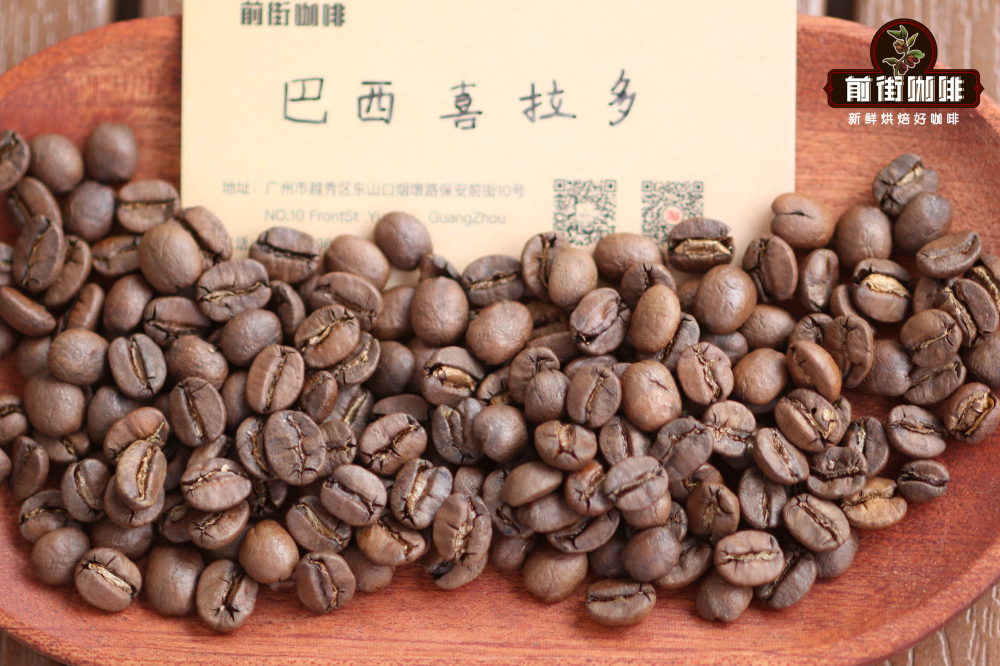
Front Street has a house blend from the Cerrado in southern Minas Gerais, Brazil — a common Red Bourbon. As a highly cost-effective coffee, it is a great choice for beginners. Processed using the semi-washed method and leaning toward a medium-dark roast, this Front Street Brazil Red Bourbon coffee has a dry aroma of creamy peanut and reveals nutty flavors during brewing. It enters the mouth with obvious balance, moderate body, and high sweetness, turning to chocolate sweetness in the finish with plenty of layering — truly one of the first choices for entry-level coffee.
Brazilian coffee wins by volume
Brazil is the world's largest coffee producer and the largest coffee-producing region, with extremely widespread coffee planting. A total of 17 states in Brazil produce coffee, and Brazil also grows a wide variety of coffee varieties, currently mainly Red Bourbon, Yellow Bourbon, Mundo Novo, and Catuai. As a result, Brazilian coffee can easily influence coffee futures prices — for example, in the first half of 2022, Brazilian coffee production fell due to drought, and the New York "C" coffee futures price rose by 20%.
Brazil's terrain is flat and vast, very suitable for large-scale agricultural machinery, so Brazil's coffee-growing philosophy is to win by volume and take the affordable route, which is why it is relatively rare to see coffees selling at extremely high prices in the specialty coffee market.
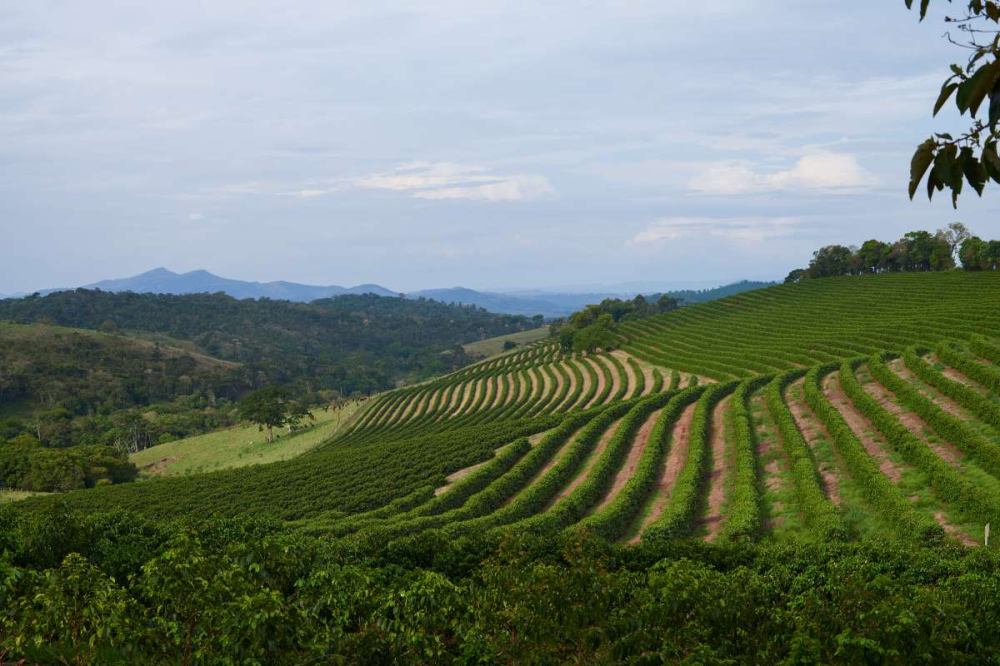
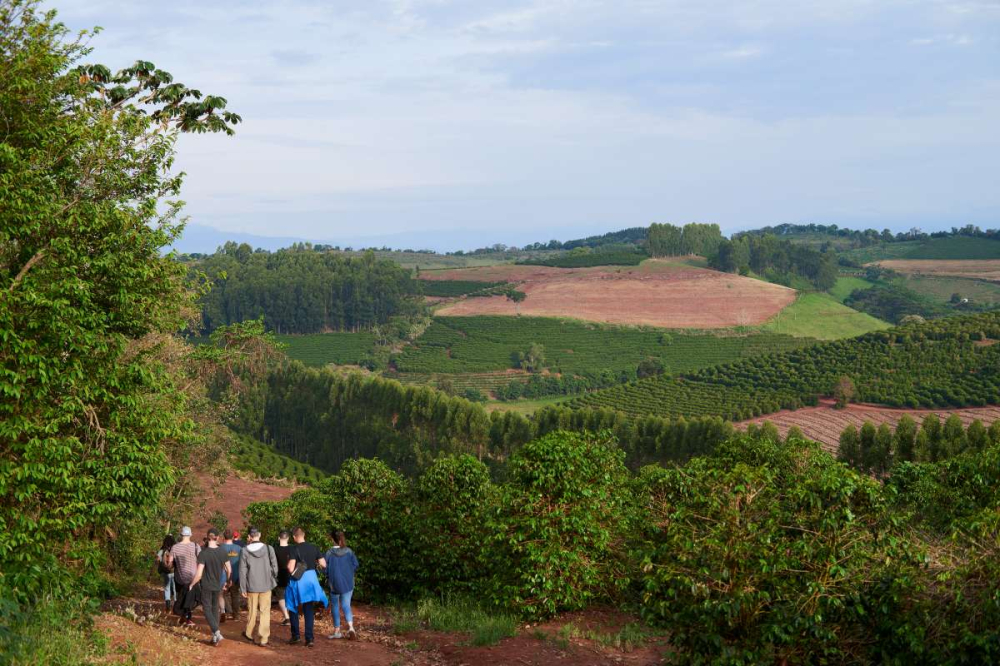
Brazil Cerrado coffee-growing region
Sul de Minas, with hilly terrain at elevations of 700m-1200m, is Brazil's earliest coffee-producing area. Due to rising labor costs, most harvesting is now done mechanically, and it is also the earliest commercialized coffee region — many large exporters can be seen lined up here. The Bahia region in northern Brazil mainly produces washed Brazilian coffee, while the Espirito Santo region near the coast is Brazil's main export area for Robusta varieties.
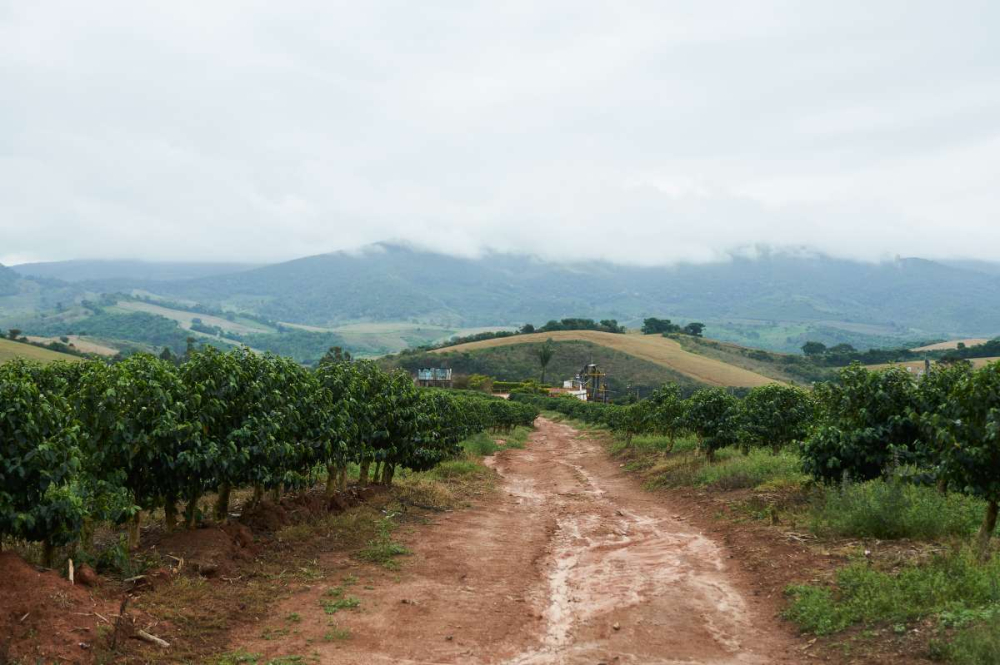
Brazil's coffee-growing areas are mainly dominated by two types of terrain: the Brazilian Highlands above 500 meters in elevation, and the Brazilian plains below 200 meters. The main varieties grown and well known to everyone are Bourbon (including Yellow Bourbon, Red Bourbon, and flat-bean Santos). Front Street Brazilian coffee is characterized mainly by low acidity, nutty flavors, balance, and moderate body. In the world of specialty coffee, Brazilian coffee is not outstanding, but in espresso it is often used as a blending component. Because of its high balance, it is often used by merchants as a Blue Mountain-style bean.
The Brazil Cerrado region. But not all coffee produced on this vast Cerrado savanna can bear the Cerrado name — it is limited to the tablelands of west-central Minas at elevations of 1100-1300 meters, where the high altitude and fertile soil are what allow the production of high-quality coffee that is clean and sweet, with high body and no earthy taste.
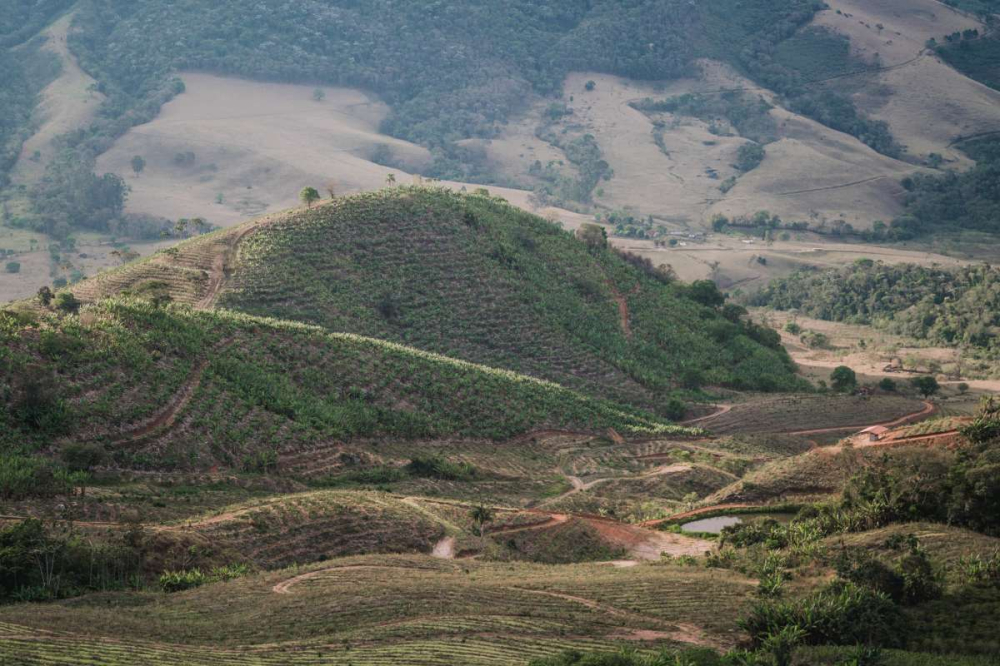
In Cerrado, in fact, besides the exceptional soil and climate, there is another special phenomenon: when you are near the coffee-growing areas, you will always find one or two farms with livestock raised on them. The existence of these farms is a characteristic of Cerrado's agricultural group structure. The weeds in Brazil's coffee plantations are excellent feed for the livestock, and the livestock manure on the farms is high-quality organic fertilizer for the coffee trees. The entire ecological environment is balanced, so traces of small animals and earthworms are often seen on the ground, and the farms and ranch houses near the coffee plantations are one of the typical landscapes of the Cerrado coffee region.
Most coffee farms are at elevations below 1000 meters and conventionally use sun-dried cultivation methods, which originally did not match the high-altitude shade-grown requirements for specialty coffee beans. By coincidence, however, this developed the unique mass-market Brazilian "soft bean" flavor — low acidity yet nutty, with both sweet aroma and good body, and without obvious floral or fruity notes. But for coffee connoisseurs, Brazilian coffee has neither particularly outstanding merits nor obvious flaws. This coffee — with its mild taste, low acidity, moderate body, and faint sweetness and chocolate flavors — is the best test for the palate if one wants to tell them apart one by one.
Semi-washed method
The semi-washed method can actually also be called the semi-sun-dried method, and it is Brazil's locally adapted coffee processing method. Because Brazil early on used a rough sun-dried processing method, and because the local climate is unstable, the coffee produced had poor quality, with many defective beans and a rotten taste. To solve this problem, the semi-washed method was adopted.
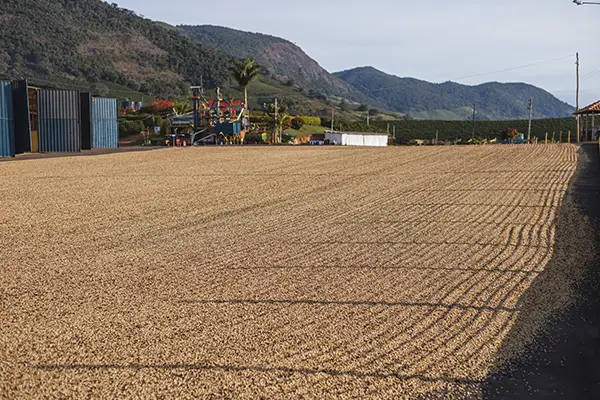
Processing steps: After the coffee cherries are picked, unripe fruit and foreign matter are removed through a water channel, the skin and part of the pulp are removed, and then a demucilager is used to remove the mucilage. Removing the mucilage helps reduce the sun-drying time required and lowers the risk of fermentation. This method is mostly used when climatic conditions are not ideal. If air humidity is high, the climate is warm, or there is rainfall, there is a risk of mold during the drying process. Therefore, most washed beans used for commercial trade in Brazil are processed using the semi-washed method.
Brazilian coffee bean grades are generally marked on the green bean burlap sacks. For example, the burlap sack of the Brazilian coffee beans purchased by Front Street is printed with "NY2 SCR17/18 GOOD CUP," which actually represents three indicators: NY2 refers to the defect grade, 17/18 refers to the coffee bean size, and GOOD CUP refers to the cup quality grade.
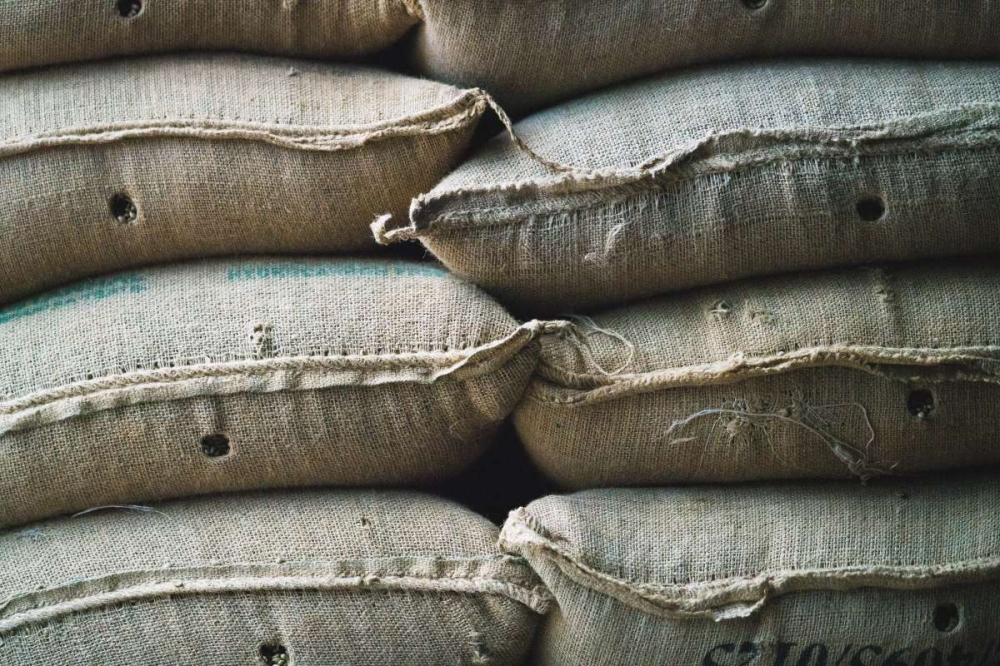
Brazilian coffee beans are graded by defect rate using the "deduction method," ranking grades according to how many defective beans are in each 300 grams of main beans. There are seven levels from NY.2 to NY.8, and a deduction below 4 can be classified as NY.2. Zero defective beans would of course qualify as NY.1, but such cases are rare and cannot maintain a steady supply, so Brazil sets NY.2 as the highest grade rather than NY.1.
Front Street house beans do not mean cheap beans
Front Street has always offered a Front Street house bean series, in which most coffees are 25 yuan/100g. Therefore, many people have different views on house beans — some treat them as affordable beans for daily drinking, while others think they are simply low-grade coffee beans. But Front Street's definition of house beans is that they represent the classic flavor of a producing region.
For example, for Ethiopia, Front Street chose Front Street Yirgacheffe coffee beans; for Indonesia, Front Street chose Front Street Lintong Mandheling coffee beans; for Colombia, Front Street chose the traditional washed Front Street Huila coffee beans. And for Brazil, Front Street chose exactly this Front Street Cerrado Red Bourbon. Although these coffee beans are not the finest in their producing regions, they do carry the flavor characteristics of those coffee origins. Coffee-producing regions are constantly changing nowadays, and Front Street has also added Panama's Front Street Boquete Geisha to its house bean series, because Panama is famous for Geisha, and incidentally also added Hacienda La Esmeralda's Front Street CHAKA Geisha, so that everyone can distinguish the difference between Ethiopian and Panamanian Geisha at a relatively low price. That is the meaning of Front Street house beans.
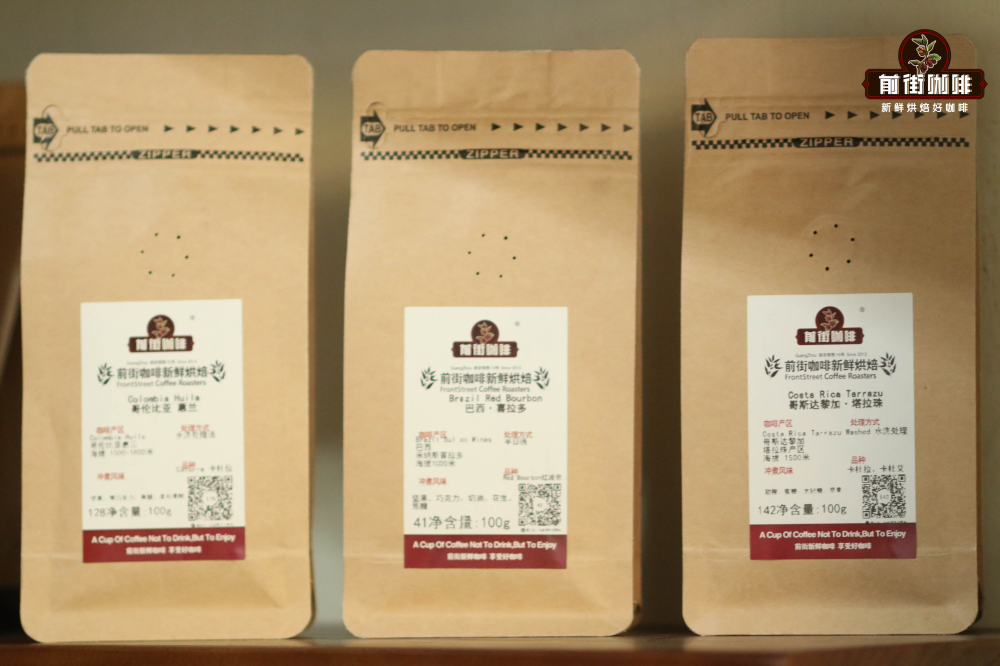
Front Street Brazil Red Bourbon roasting suggestions
As mentioned earlier, Front Street Brazilian coffee beans are mainly about body, and to highlight this flavor, the roast level is recommended to be kept at medium or above. This batch of Front Street Brazil Bourbon beans is roasted to a medium level.
Brewing plan
FrontStreet Coffee chooses the Kono dripper for brewing. The Kono dripper's characteristic is that it has an immersion function, which can be used to extract more coffee substances and enhance the full-bodied mouthfeel. Because its ribs are few and located at the lower end, the filter paper can fit tightly against the dripper to restrict airflow, thereby slowing the water flow and increasing the contact time between water and coffee grounds. It is suitable for brewing medium-dark roasted coffee beans such as Front Street Brazil Red Bourbon and Front Street Golden Mandheling.
The water temperature is set at 88°C, which is a relatively low brewing temperature and can avoid extracting too many off-flavors from the coffee beans during brewing, because the darker the coffee beans are roasted, the more off-flavors increase.
The grind size is medium-coarse, with 75% passing through a No. 20 sieve. The ratio is 1:15, using 15g of grounds.
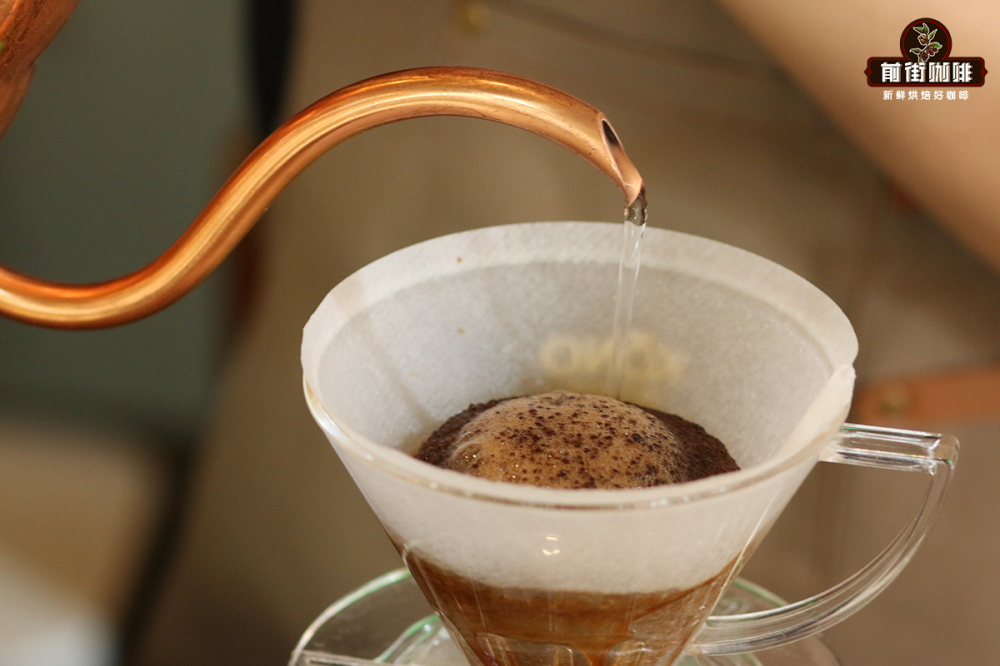
Use staged extraction: bloom with 30g of water for 30 seconds, then pour in a small circular stream to 125g and pause; when the water level drops and is about to expose the coffee bed, continue pouring to 225g and stop (timing starts at the beginning of the bloom). The extraction time is 2 minutes. Try to keep the brewing technique consistent for both beans.
Front Street Brazil Cerrado coffee bean flavor description: Obvious sweetness on the palate, accompanied by a faint lemon aroma, rich nutty flavors, and a finish of dark chocolate, with an overall round mouthfeel.
Professional coffee knowledge exchange. For more coffee bean information, please follow Coffee Workshop (WeChat public account: cafe_style).
For more specialty coffee beans, please add the personal WeChat of FrontStreet Coffee: qjcoffeex

Light Roast Pour-Over Floral Coffee Beans Recommendation: Qianjie Yirgacheffe Gedeo Dingding, Qianjie Panama Hacienda La Esmeralda Green Label Geisha Coffee Beans, QianjiePanama Butterfly Coffee Beans
Daily medium-light roast Yirgacheffe pour-over floral coffee bean recommendation, Qianjie Yirgacheffe Guddina, light roast brings the signature white floral notesAromatic, with lemon-citrus fruit notes and a refreshing floral tea note; bright and crisp on the palate. Great value and an ideal entry-level pour-over coffee with floral and fruity notesAn unrivalled choice.
Moka pot, home espresso, and espresso-based milk drinks like latte — recommended beans: Qianjie Classic Espresso Blend, using BrazilianWest, with Mandheling Arabica and a small amount of Vietnamese Robusta fully blended, delivering a rich and outstanding espressocrema; overall style is rich and memorable. Qianjie Brazil Queen's Estate coffee beans and Qianjie Classic Espresso Blend coffee beans are both mochaA highly recommended option for pot-style espresso machines.
Fruity-floral signature espresso latte bean recommendation: Qianjie Strawberry Candy espresso blend, featuring strawberry gummy and rose aromas,Full-bodied sweetness with a grape and almond finish; especially stunning as an iced latte. Made from Costa Rican honey-process beans, PanamaBlended from Panama Geisha coffee beans and select beans from Colombia's Huila region. Not only does it overturn traditional espresso flavor, the cremaalso performs well, with impressive showings in creative specialty drinks.
Now available on Taobao store「 Qianjie Coffee 」To purchase the above coffee beans, Qianjie Coffee offers dozens of selected single-origin pour-over and espresso coffee beans from around the world. Qianjie CoffeeQianjie Coffee is a veteran specialty coffee roaster; beans are freshly roasted within 5 days, with consistent quality and highly competitive pricesGreat value, ships within 24 hours. Qianjie Coffee is recommended by many coffee lovers and platforms.
Taobao Qianjie Coffee Link: https://qianjiecoffee.taobao.com
Or search our shop directly on Taobao 「Qianjie Coffee」
Qianjie Coffee Store Address: 315 Donghuadong Road, Yuexiu District, Guangzhou

Site Recommendations: 耶加雪菲 花魁咖啡 瑰夏咖啡 波旁咖啡 蓝山咖啡 天堂鸟咖啡豆 曼特宁咖啡豆 PWN黄金曼特宁 星巴克菜单 咖啡豆种类
Please indicate the source when reprinting.
2025-06-26 12:56:20
