Mandheling, Mocha, and Brazil are often sold as single-origin coffees, while espresso mostly uses blends; Mocha has a chocolate aroma and a hint of sweetness, Brazil has numerous estates and a vast range of Arabica subspecies, resulting in a wide flavor spectrum, but its grade falls short of Mandheling, so it is often used as a base bean for blends. Coffee flavor is also influenced layer by layer by variety, altitude, and processing method: Bourbon, Caturra, Castillo, and Gesha each have their own base notes; natural processing brings rich fruit flavors and higher body, while washed processing makes the cup cleaner.
Follow Coffee Review (WeChat public account vdailycom) Discover beautiful cafes and open your own little shop
Mandheling, Mocha, and Brazil are single-origin coffees, while espresso is a blended coffee. Mocha has a chocolate aroma and a hint of sweetness, while Brazil not only has numerous estates but also a vast range of Arabica subspecies and relatively many flavors. However, Brazilian coffee's grade falls short of Mandheling, so it is often used as a base bean for blends.
Coffee develops various flavors under the influence of many factors, such as caramel, nutty, or sesame notes. Different coffee varieties inherently have their own distinct flavors, such as Bourbon, Caturra, Castillo, and Gesha. Altitude affects coffee flavor; air with lower oxygen content produces denser coffee beans. The processing method of coffee beans has a lasting impact on coffee flavor, so coffee processing methods are very important.
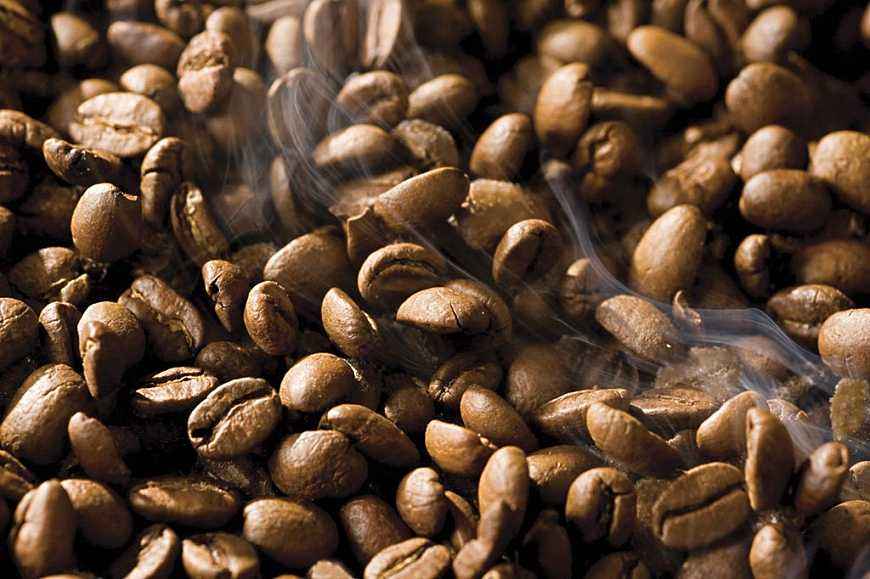
Coffee farmers usually subject coffee cherries to natural processing, washed processing, honey processing, or other processing. Processing methods vary slightly from country to country and region to region. Below we will introduce the three most popular coffee bean processing methods and how they affect coffee flavor.
Natural Processing
Regions: Ethiopia, Brazil
Flavor characteristics: Diverse and pronounced flavors; rich in fruit notes. The brewed coffee generally has a stronger flavor.
Natural processing is also called dry processing or natural dry processing. When coffee cherries ripen, they are picked first and then laid out to dry; they must dry to a certain moisture content before the skin is removed. During natural drying, the coffee cherries should remain intact. The coffee beans at the center of the berry absorb the characteristics of the outer skin and pulp, and the pulp and skin are not removed until hulling.
The best natural processing method is sun-drying on ordinary African drying beds, which is a high-quality processing method. Natural processing is riskier than other processing methods because if the coffee beans are not dried carefully or evenly, they will develop strong off-flavors, commonly called "fermentation." Careless handling can make the coffee beans unclean, leading to a lime-like taste. This is why many small coffee farms advocate washed processing: removing the skin immediately after picking ripe cherries. However, the cherry pulp discarded during washed processing gives off a rotting fruit smell as it decomposes.
Natural processing is the oldest method of coffee processing and is also the main processing method in famous regions such as Brazil and Ethiopia. In the past, coffee farmers in many regions would use natural processing for coffee beans unsuitable for export, as it saves both energy and time, so this processing method was not highly regarded. Only in the past two years has the specialty coffee industry recognized its potential for high quality; natural processing can improve coffee's body and fully release coffee's various flavors. Naturally processed coffee beans have strong and pronounced flavors.
Washed Processing
Regions: Latin America, United States
Common flavors: Carambola, dark chocolate, various floral notes, etc.; the coffee has a full body, smooth and clean mouthfeel, and pronounced acidity.
Washed coffee beans are more approachable; the beans need to be placed in fermentation tanks for demucilaging. First, after coffee cherries are picked, they are placed directly into a large funnel, and water transports the coffee cherries into a large reservoir; this process can separate damaged and lower-density cherries. Good-quality cherries sink to the bottom and are then sent to depulping equipment, where they remain for 36-72 hours.
Washed coffee tastes "cleaner," but this does not mean they are inherently better; rather, Brazilian coffee beans express their own flavor more clearly—besides rich fruit notes, more of the bean itself comes through. Washed coffee beans usually have more pronounced acidity. This is because the sugars in the coffee pulp naturally produce acetic acid during fermentation, and acetic acid can enhance the acidity in coffee. Therefore, during fermentation it is necessary to balance the pH of the coffee beans; otherwise the acid will continue to increase and make the coffee too sour.
Honey Processing
Regions: Brazil, Central America
Common flavors: Pleasant sweetness, jammy notes, and rich body, delicate like honey.
Honey-processed coffee beans have a lot of sweetness; because the skin is removed first, they do not contain as many fruit flavors. Honey-processed coffee beans usually have higher oil content, softer acidity, and often taste like honey. The acidity is weaker than washed processing, while possessing the same high quality as natural processing. For those who do not like the stronger acidity of washed coffee beans, honey-processed coffee beans are a good choice. Honey processing falls between washed and natural processing; it requires preventing the coffee beans from fermenting and allowing the sticky mucilage to dry quickly so that it remains on the coffee beans.
Because honey processing leaves mucilage on the coffee beans, honey-processed coffee beans show different colors; the darker the color, the more mucilage retained.
No matter which processing method's coffee beans you prefer, remember that coffee is subjective. Of course, processing method matters. The processing process, like the process of making coffee, requires great care and must be taken seriously. I think every processing method has advantages and drawbacks, and no single processing method can present a coffee bean's flavor one hundred percent. Exploring and studying coffee beans is a very interesting thing, but at the same time it is not a simple matter. Good processing methods, good extraction, and a good tongue will create wonderful sparks together.

Light Roast Pour-Over Floral Coffee Beans Recommendation: Qianjie Yirgacheffe Gedeo Dingding, Qianjie Panama Hacienda La Esmeralda Green Label Geisha Coffee Beans, QianjiePanama Butterfly Coffee Beans
Daily medium-light roast Yirgacheffe pour-over floral coffee bean recommendation, Qianjie Yirgacheffe Guddina, light roast brings the signature white floral notesAromatic, with lemon-citrus fruit notes and a refreshing floral tea note; bright and crisp on the palate. Great value and an ideal entry-level pour-over coffee with floral and fruity notesAn unrivalled choice.
Moka pot, home espresso, and espresso-based milk drinks like latte — recommended beans: Qianjie Classic Espresso Blend, using BrazilianWest, with Mandheling Arabica and a small amount of Vietnamese Robusta fully blended, delivering a rich and outstanding espressocrema; overall style is rich and memorable. Qianjie Brazil Queen's Estate coffee beans and Qianjie Classic Espresso Blend coffee beans are both mochaA highly recommended option for pot-style espresso machines.
Fruity-floral signature espresso latte bean recommendation: Qianjie Strawberry Candy espresso blend, featuring strawberry gummy and rose aromas,Full-bodied sweetness with a grape and almond finish; especially stunning as an iced latte. Made from Costa Rican honey-process beans, PanamaBlended from Panama Geisha coffee beans and select beans from Colombia's Huila region. Not only does it overturn traditional espresso flavor, the cremaalso performs well, with impressive showings in creative specialty drinks.
Now available on Taobao store「 Qianjie Coffee 」To purchase the above coffee beans, Qianjie Coffee offers dozens of selected single-origin pour-over and espresso coffee beans from around the world. Qianjie CoffeeQianjie Coffee is a veteran specialty coffee roaster; beans are freshly roasted within 5 days, with consistent quality and highly competitive pricesGreat value, ships within 24 hours. Qianjie Coffee is recommended by many coffee lovers and platforms.
Taobao Qianjie Coffee Link: https://qianjiecoffee.taobao.com
Or search our shop directly on Taobao 「Qianjie Coffee」
Qianjie Coffee Store Address: 315 Donghuadong Road, Yuexiu District, Guangzhou

Site Recommendations: 耶加雪菲 花魁咖啡 瑰夏咖啡 波旁咖啡 蓝山咖啡 天堂鸟咖啡豆 曼特宁咖啡豆 PWN黄金曼特宁 星巴克菜单 咖啡豆种类
Please indicate the source when reprinting.
2017-06-15 12:39:28
