Brazil is the world's largest coffee producer, growing both Arabica and Robusta, with Arabica accounting for 70 to 80 percent. Common varieties include Modo Novo, Catuai, Bourbon, Maragogipe, and others. Mechanical harvesting is widespread, and three to four harvest seasons can be expected per year. Traditional dry processing dominates, while Pulped Natural and semi-washed are also quite common; different processing methods directly affect the sweetness and cleanliness in the cup.
Brazil is the world's largest coffee producer, growing both Arabica and Robusta, with Arabica accounting for 70 to 80 percent. Common varieties include Modo Novo, Catuai, Bourbon, Maragogipe, and others. Mechanical harvesting is widespread, and three to four harvest seasons can be expected per year. Traditional dry processing dominates, while Pulped Natural and semi-washed are also quite common; different processing methods directly affect the sweetness and cleanliness in the cup.
Follow Coffee Review (WeChat public account vdailycom) Discover beautiful cafés Open your own small shop
Brazilian coffee varieties:
Both Arabica and Robusta are produced, with Arabica accounting for 70 to 80 percent.
Among Arabica coffee, common varieties include Modo Novo, Catuai, Bourbon, Maragoripe, and others. Coffee harvest
Three to four harvest seasons can be expected per year, and mechanical harvesting is especially widespread. The harvesting method differs greatly from other specialty-producing countries. During mechanical harvesting, all the fruit on an entire coffee branch is shaken off, bringing about the problem of uneven ripeness.
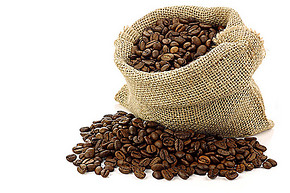
Brazilian coffee processing:
Dry processing is traditional. In addition, Pulped Natural and semi-washed are also very common. On different farms, different batches of coffee fruit will roughly adopt different processing methods. Dry processing, dry process, also called natural process, places the picked fruit directly in the sun to dry. Coffee fruit can even be left on the branch after ripening, and picked after drying. In dry-processed coffee, the sugar in the pulp is absorbed by the coffee beans, and the cup shows better complexity and sweetness. Pulped natural removes the skin, leaving the sticky, sugar-rich mucilage surrounding the coffee beans to dry in the sun, preserving the high sweetness of traditional dry processing while adding cleanliness. Semi-washed, half-washed, skips the fermentation stage and places the parchment beans directly in the sun to dry. In addition, there is also a bean called Re-Pass. After harvesting, the coffee fruit is soaked in clean water, and the floating fresh fruit is collected and processed separately; these floating fresh fruits are considered overripe beans. The coffee seeds contact the pulp for a longer time, giving better sweetness
Brazilian coffee grades:
When the country controlled coffee imports, it used the well-known Brazilian-style defect bean grading system, with grades marked by numbers, the highest grade being 1. However, grade 1 is only the theoretical highest grade; in actual trading, the highest grade is 2. In addition, the coffee must also undergo cup testing and be classified by taste as strictly soft, soft, softish, hard, rio, with the lowest grade being the famous Rio, called Rio flavor. The American market does not care for the Rio flavor, but European and Near Eastern countries are relatively tolerant of it. In the specialty coffee era, Brazil relaxed controls, allowing farms to trade directly with consuming countries without going through the official unified grading system. In 1999, Brazil first held the COE competition.
Brazilian coffee characteristics:
As the world's largest coffee producer, Brazil supplies both commercial beans and specialty beans to the global coffee market. Instant coffee is also an important part of the Brazilian coffee industry. Brazilian coffee mostly grows at an altitude of 2,000-3,000 feet, about 500-100 m. Some reaches 4,000 feet, about 1,200 m. However, compared with other producing countries in East Africa and Central and South America, where high-altitude hard beans of 5,000 feet or more are common, this is a difficult gap to bridge.
Growing at low altitude gives Brazilian coffee low acidity. Dry processing gives Brazilian coffee high sweetness and body. Brazilian beans grown at low altitude have relatively low density, do not withstand heavy roasting, and easily develop burnt flavors. High sweetness and body, and the nutty and chocolate flavors revealed by over-roasting, make Brazilian coffee beans a commonly used blending bean for espresso. However, in the specialty coffee era, the favored status of Brazilian beans in espresso blends is under serious challenge, and many established specialty roasters, given the low density of Brazilian beans, have gradually moved away on the road of seeking high-altitude hard beans to replace them.

Light Roast Pour-Over Floral Coffee Beans Recommendation: Qianjie Yirgacheffe Gedeo Dingding, Qianjie Panama Hacienda La Esmeralda Green Label Geisha Coffee Beans, QianjiePanama Butterfly Coffee Beans
Daily medium-light roast Yirgacheffe pour-over floral coffee bean recommendation, Qianjie Yirgacheffe Guddina, light roast brings the signature white floral notesAromatic, with lemon-citrus fruit notes and a refreshing floral tea note; bright and crisp on the palate. Great value and an ideal entry-level pour-over coffee with floral and fruity notesAn unrivalled choice.
Moka pot, home espresso, and espresso-based milk drinks like latte — recommended beans: Qianjie Classic Espresso Blend, using BrazilianWest, with Mandheling Arabica and a small amount of Vietnamese Robusta fully blended, delivering a rich and outstanding espressocrema; overall style is rich and memorable. Qianjie Brazil Queen's Estate coffee beans and Qianjie Classic Espresso Blend coffee beans are both mochaA highly recommended option for pot-style espresso machines.
Fruity-floral signature espresso latte bean recommendation: Qianjie Strawberry Candy espresso blend, featuring strawberry gummy and rose aromas,Full-bodied sweetness with a grape and almond finish; especially stunning as an iced latte. Made from Costa Rican honey-process beans, PanamaBlended from Panama Geisha coffee beans and select beans from Colombia's Huila region. Not only does it overturn traditional espresso flavor, the cremaalso performs well, with impressive showings in creative specialty drinks.
Now available on Taobao store「 Qianjie Coffee 」To purchase the above coffee beans, Qianjie Coffee offers dozens of selected single-origin pour-over and espresso coffee beans from around the world. Qianjie CoffeeQianjie Coffee is a veteran specialty coffee roaster; beans are freshly roasted within 5 days, with consistent quality and highly competitive pricesGreat value, ships within 24 hours. Qianjie Coffee is recommended by many coffee lovers and platforms.
Taobao Qianjie Coffee Link: https://qianjiecoffee.taobao.com
Or search our shop directly on Taobao 「Qianjie Coffee」
Qianjie Coffee Store Address: 315 Donghuadong Road, Yuexiu District, Guangzhou

Site Recommendations: 耶加雪菲 花魁咖啡 瑰夏咖啡 波旁咖啡 蓝山咖啡 天堂鸟咖啡豆 曼特宁咖啡豆 PWN黄金曼特宁 星巴克菜单 咖啡豆种类
Please indicate the source when reprinting.
2017-06-23 11:45:10
