Sumatra coffee has always been known for its viscous texture and acidity buried deep within complex flavors—after dark, intense notes of herbs or wild mushrooms comes a sweetness that reaches deep into the throat. Aged Mandheling is precisely the bean that takes this base one step further: its body is amplified even more, and its flavor layers are deeper. Alongside it, Lintong Mandheling leans toward an everyday-drinker positioning, Golden Mandheling emphasizes cleanliness and sweetness, and Tiger Mandheling is known for its aroma—when choosing, you can decide based on your own tolerance for heaviness.
For more specialty coffee knowledge, please follow the WeChat official account: FrontStreet Coffee
Mandheling produced in the mountains of Sumatra is world-famous for its rich texture. Sumatra coffee beans, in contrast to the wine-like mouthfeel of East Africa, showcase another character altogether: a viscous texture, acidity buried deep within complex flavors, dark and intense notes of herbs or wild mushrooms, and a sweet aftertaste that lingers in the throat for days. FrontStreet Coffee has listed 4 Mandheling coffees; if you want to taste the signature flavors of the Indonesian region, you can choose the Lintong Mandheling everyday bean; if you want something clean, full-bodied, and sweet, you can choose Golden Mandheling; if you want something with a pronounced aroma, you can choose Tiger Mandheling; and if you want something even fuller-bodied, you can try the Aged Mandheling coffee beans. In this article, FrontStreet will explain in detail what Aged Mandheling coffee beans are.
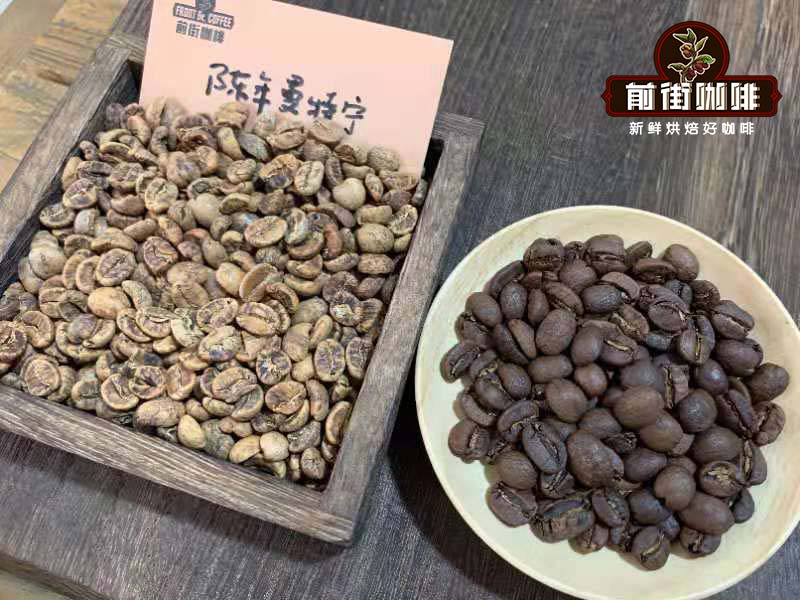
Sumatra coffee beans
Of the coffee beans grown in Indonesia, 90% are Robusta varieties, and the remaining 10% Arabica beans mainly come from the Lintong region around Lake Toba in Sumatra and the Gayo highlands in Aceh. The Indonesian region usually has two harvest seasons: the main crop appears around September-October, and the fly crop in May-June.
Lake Toba Lintong region: Lake Toba is located north of Medan, the provincial capital of Sumatra, and is an alpine freshwater lake. Its average elevation is about 900 m. The lake is diamond-shaped, 100 km long and 30 km wide, with an area of 1,130 square kilometers; it is an alpine lake at an average altitude of about 1,100-1,600 meters, and is also the largest volcanic lake in the world. What is commonly called Mandheling refers to Typica or its variants grown in the mountains around Lake Toba, among which Lintong is the most famous Mandheling-producing region in the Lake Toba area. Lintong Mandheling is the regular version of Mandheling.
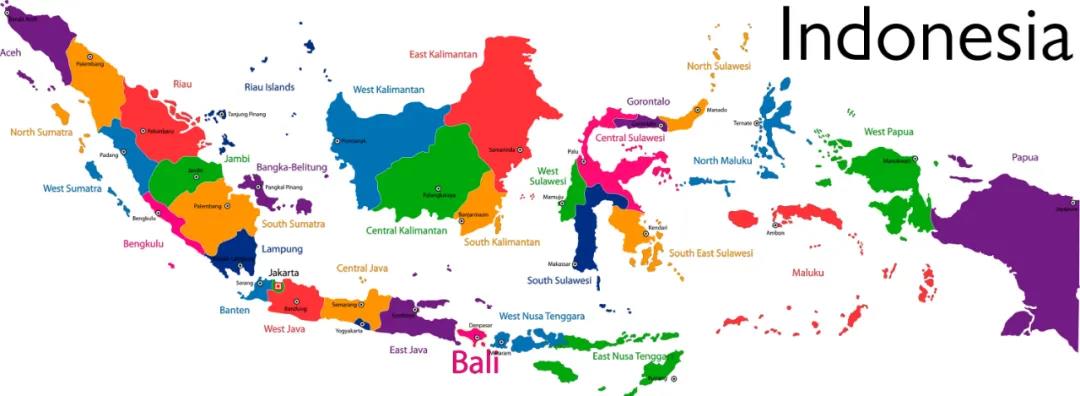
Aceh Gayo highlands region: The Gayo mountain range area is located in Aceh Province in northern Sumatra; coffee in the Gayo region is grown on slopes surrounding the town of Takegon and Lake Tawar. The growing altitude in the production area averages between 1,110 and 1,600 meters. The coffee is grown by smallholders under shade trees and processed using the wet-hulled method, exhibiting distinctive flavors along with a deep and lively full-bodied flavor. Aceh, in the northernmost corner of Sumatra, is a fascinating and complex place. Due to long-term political instability, Aceh is not an area that ordinary people visit.
Wet-hulled processing method
Because the local weather is mostly rainy days with continuous typhoons, it cannot achieve the good weather required for sun-drying, and the local economy is not strong either, so it likewise cannot use the more costly washed method. For various reasons, the highly local wet-hulled method came into being (the wet-hulled method is: during the ordinary washed processing, the beans are sun-dried with parchment still on for 2-3 days until the moisture content is 20-24%, then the parchment is removed). The extremely fast speed of wet-hulled processing also causes Mandheling to have a relatively high defect rate; Golden Mandheling nicely avoids this shortcoming.
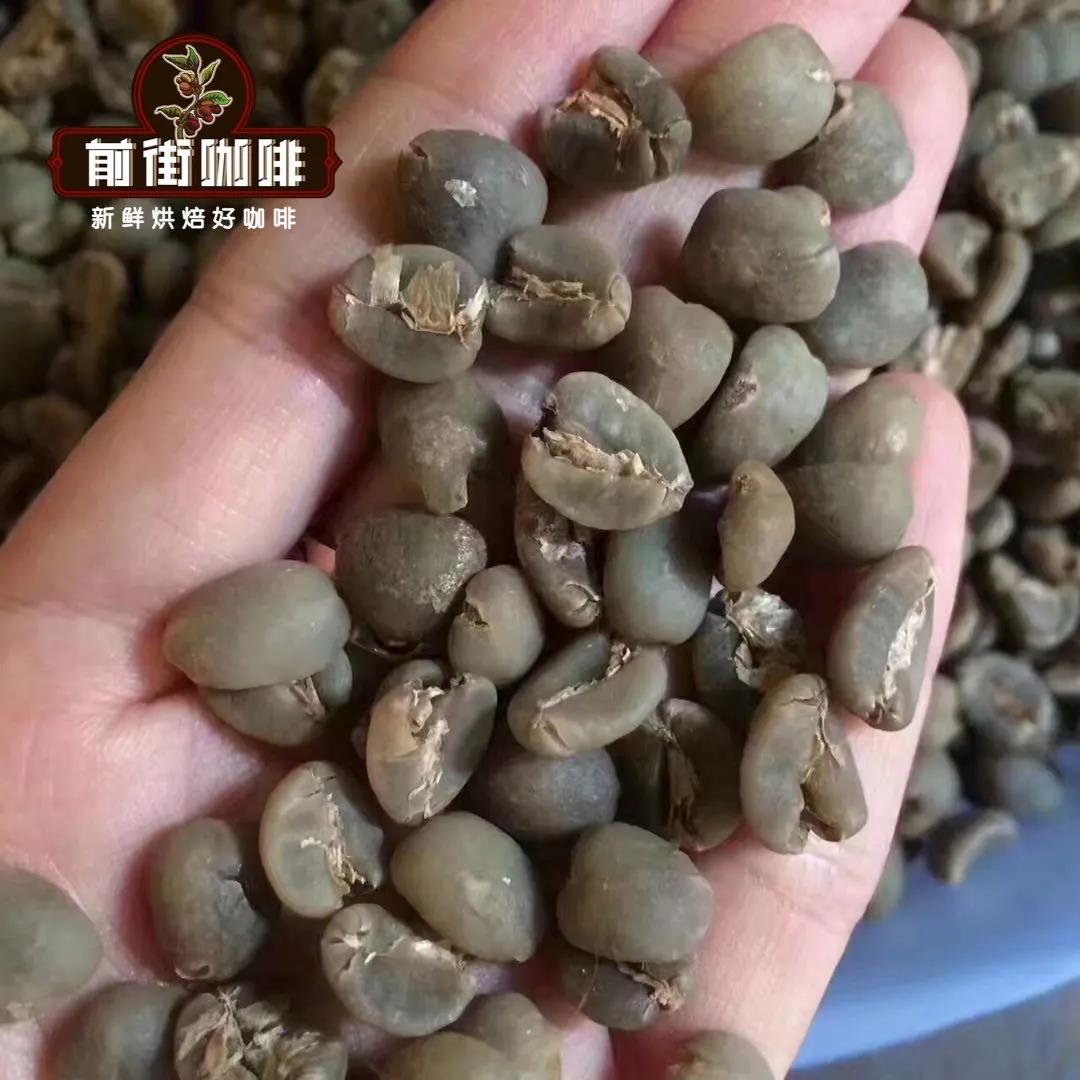
Because the half-hard, half-soft moist raw beans are easily crushed when the mucilage parchment layer is removed, the beans are damaged and split open like a goat's hoof, commonly known as goat-hoof beans. This is not a defective bean and can be said to be a very distinctive feature of Mandheling. FrontStreet Coffee's Golden Mandheling规格 is 19 screen or above, with fewer than 3 defective beans (in a 300g raw bean sample), belonging to the highest grade G1; the color is darker green, and the shape is neat flat beans. Through cupping many wet-hulled coffees, FrontStreet Coffee has found that they are characterized by low acidity and high body.
What are aged Sumatra coffee beans?
"Aged Sumatra" is a specially processed bean. Aged Mandheling actually has a long history in Indonesia, because in the early days shipping was not so developed, and transporting coffee from Indonesia to other countries took quite a long time. Over time, the originally moisture-rich fresh coffee beans gradually dried out, and combined with the blowing sea breeze, a rather special flavor was added.
Because the progress of modern shipping has greatly reduced transport time, coffee with such a special flavor has become a specially processed coffee bean. Aged Sumatra coffee beans do not mean that green coffee beans become aged just by being stored for a long time—that is not acceptable! Because green coffee beans will also spoil after long storage: they will change from fresh green to white, then to yellow, becoming insipid and even growing bugs. Like aged liquors, the green beans must undergo proper processing and long-term storage before they can truly be called [aged coffee].
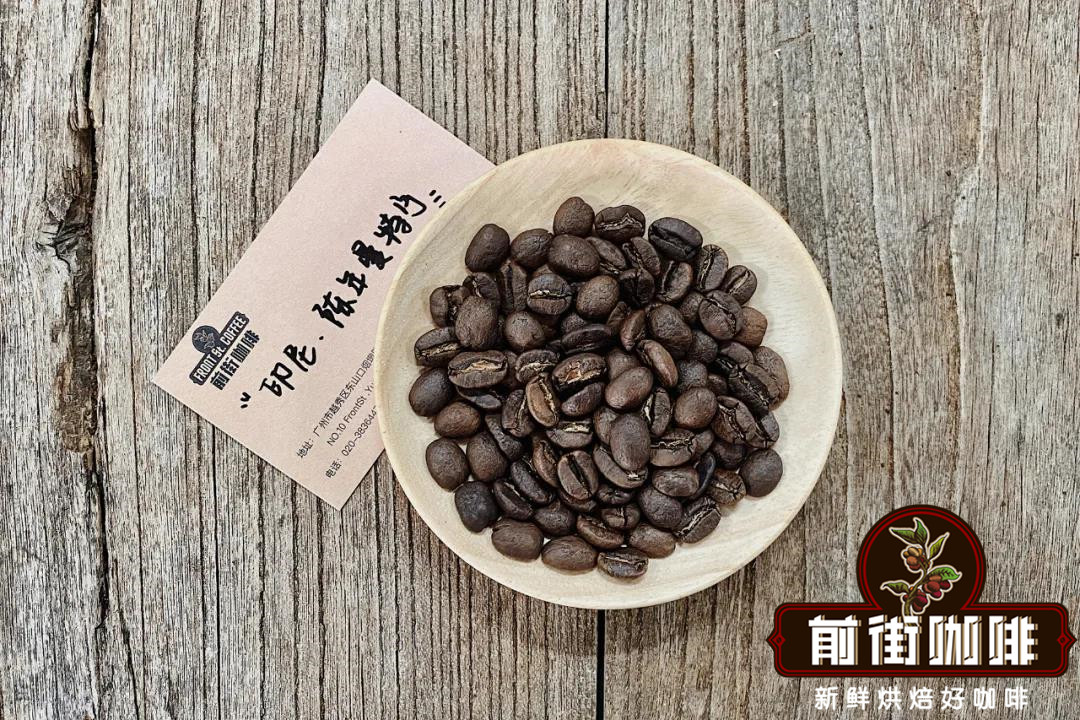
FrontStreet Aged Mandheling
Region: Sumatra
Altitude: 1500 meters
Varieties: Caturra, Typica
Processing method: Wet-hulled
How are coffee beans aged?
In recent years, aging processing has become quite mature. The coffee beans first undergo wet-hulled processing (the wet-hulled method is: during ordinary washed processing, the beans are sun-dried with parchment still on for 2-3 days until the moisture content is 20-24%, and finally the parchment is removed so the green beans dry to a moisture content of 12-13%), and then they are sealed and stored in a warehouse. The warehouse environment must be cool and ventilated, and the beans must be turned regularly to prevent mold and spoilage. They are stored for 2-3 years, during which the acidity of the coffee beans slowly weakens and turns into sugar, and the color becomes deeper, mostly yellowish-brown or dark brown, very recognizable. Through cupping, FrontStreet Coffee believes that Aged Mandheling has less of the wildness of traditional Mandheling on the palate and more fullness and refinement, with a sense of maturity and steadiness, and lower acidity.
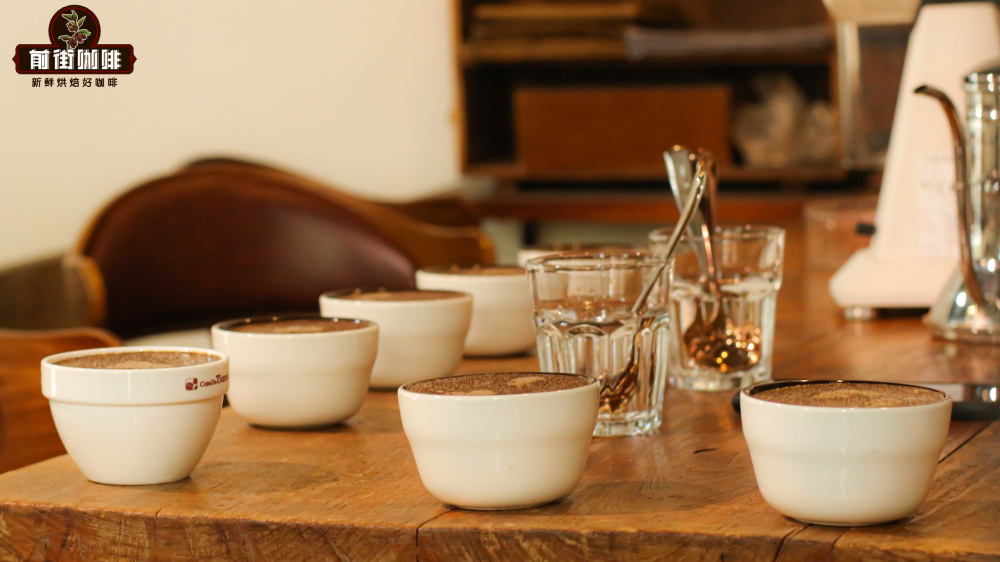
FrontStreet Coffee's roasting suggestions for Aged Mandheling coffee beans
FrontStreet Coffee suggests paying attention when roasting coffee: because Mandheling green beans have high density and aged beans have little moisture, heat adjustments at each stage must be made especially carefully so as not to scorch the oils on the surface of the raw beans. Because Aged Mandheling has low, gentle acidity, FrontStreet Coffee recommends roasting to a medium-dark level to increase its purity and round mouthfeel.
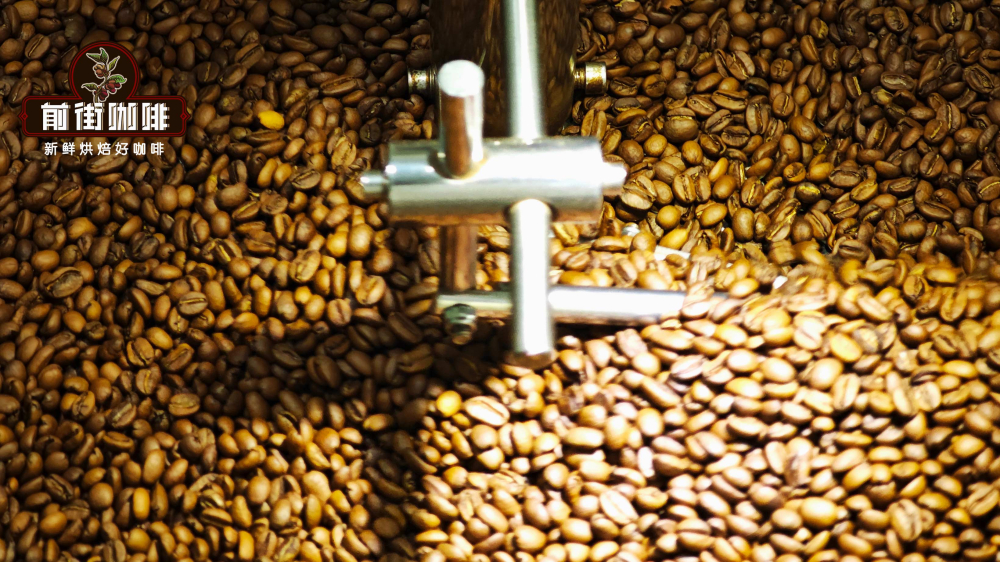
FrontStreet's roaster uses a Yangjia 800N with a 480g charge. When the temperature reaches 200°C, the beans are loaded, the damper is set to 3, and after 1 minute the heat is adjusted to 160°C with the damper unchanged; roast until 5'35'', when the temperature is 146°C, the bean surface turns yellow, the grassy smell completely disappears, and dehydration is complete; adjust the heat to 140°C and the damper to 4; at 8'10", ugly wrinkles and dark spots appear on the bean surface, and the toast aroma clearly turns into coffee aroma, which can be defined as the prelude to first crack. At this time, listen carefully for the sound of first crack. At 9'30", first crack begins; reduce the heat to 80°C, set the damper to 5, and drop the beans at 197.5°C.
FrontStreet Coffee's cupping report on Aged Mandheling coffee beans
FrontStreet Coffee conducts cupping within 8-24 hours after the sample coffee beans are roasted. The cupping bowls generally used by FrontStreet Coffee baristas have a capacity of 200ml ceramic bowls, marked with 150ml and 200ml graduation lines. According to SCAA standards, the TDS of the water is about 150ppm; too low TDS easily causes over-extraction, while too high affects the mouthfeel and easily causes under-extraction. The water temperature used for cupping is 94°C. The grind size is controlled so that the passage rate through a No. 20 standard sieve (0.85 mm) is 70%-75%. Ratio: 11 grams of coffee powder plus 200 ml of hot water, i.e., 1:18.18, so that the extracted concentration falls exactly within the golden cup range of 1.15%-1.35%. The steeping time is 4 minutes.
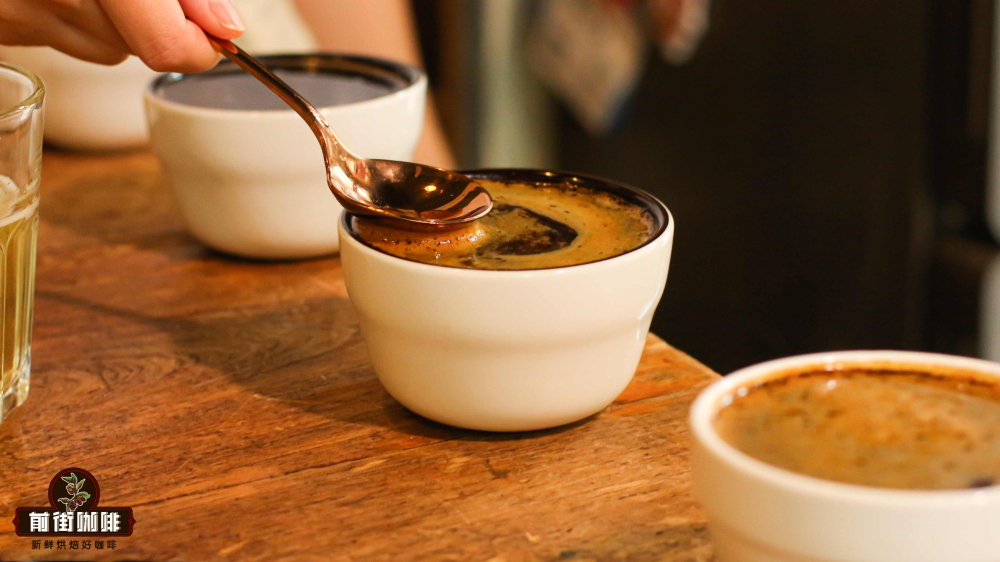
Dry aroma: herbal
Wet aroma: chocolate
Flavor: ripe Pu'er, herbal, caramel, chocolate, low acidity
FrontStreet Coffee's brewing suggestions for aged coffee
Dripper: Kono
Suggested water temperature: 87-88°C
Grind size: Fuji Royal ghost teeth 4.5 (coarse sugar size)
Coffee-to-water ratio: 1:15
Dose: 15 grams
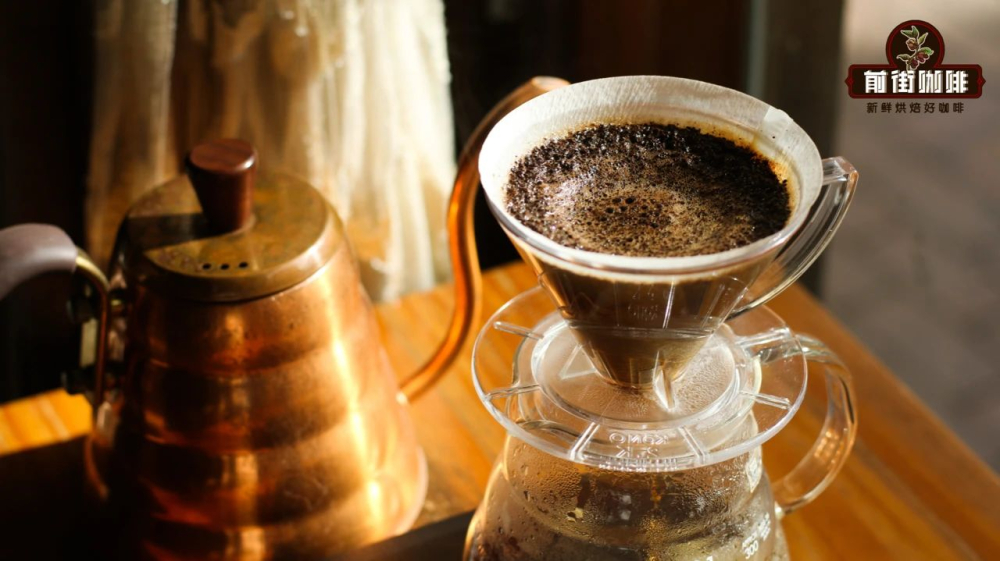
FrontStreet Coffee's brewing method: bloom with 30 grams of water for 30 seconds, then pour in a small stream in circles until 125 grams and pause for a stage; when the water level drops and is about to expose the coffee bed, continue pouring until 225 grams and stop; when the water level drops and is about to expose the coffee bed, remove the dripper. (Timing starts at the beginning of the bloom.) The extraction time is 2'00''.
Brewed flavor: aromas of pine, malt, and caramel rush to the nose; on the palate there is less of the wildness of traditional Mandheling and more fullness and refinement, with a sense of maturity and steadiness and lower acidity; on entry there are flavors of ripe Pu'er, caramel, herbs, and chocolate, with ample sweetness.
For more specialty coffee knowledge, please follow the WeChat official account: FrontStreet Coffee

Light Roast Pour-Over Floral Coffee Beans Recommendation: Qianjie Yirgacheffe Gedeo Dingding, Qianjie Panama Hacienda La Esmeralda Green Label Geisha Coffee Beans, QianjiePanama Butterfly Coffee Beans
Daily medium-light roast Yirgacheffe pour-over floral coffee bean recommendation, Qianjie Yirgacheffe Guddina, light roast brings the signature white floral notesAromatic, with lemon-citrus fruit notes and a refreshing floral tea note; bright and crisp on the palate. Great value and an ideal entry-level pour-over coffee with floral and fruity notesAn unrivalled choice.
Moka pot, home espresso, and espresso-based milk drinks like latte — recommended beans: Qianjie Classic Espresso Blend, using BrazilianWest, with Mandheling Arabica and a small amount of Vietnamese Robusta fully blended, delivering a rich and outstanding espressocrema; overall style is rich and memorable. Qianjie Brazil Queen's Estate coffee beans and Qianjie Classic Espresso Blend coffee beans are both mochaA highly recommended option for pot-style espresso machines.
Fruity-floral signature espresso latte bean recommendation: Qianjie Strawberry Candy espresso blend, featuring strawberry gummy and rose aromas,Full-bodied sweetness with a grape and almond finish; especially stunning as an iced latte. Made from Costa Rican honey-process beans, PanamaBlended from Panama Geisha coffee beans and select beans from Colombia's Huila region. Not only does it overturn traditional espresso flavor, the cremaalso performs well, with impressive showings in creative specialty drinks.
Now available on Taobao store「 Qianjie Coffee 」To purchase the above coffee beans, Qianjie Coffee offers dozens of selected single-origin pour-over and espresso coffee beans from around the world. Qianjie CoffeeQianjie Coffee is a veteran specialty coffee roaster; beans are freshly roasted within 5 days, with consistent quality and highly competitive pricesGreat value, ships within 24 hours. Qianjie Coffee is recommended by many coffee lovers and platforms.
Taobao Qianjie Coffee Link: https://qianjiecoffee.taobao.com
Or search our shop directly on Taobao 「Qianjie Coffee」
Qianjie Coffee Store Address: 315 Donghuadong Road, Yuexiu District, Guangzhou

Site Recommendations: 耶加雪菲 花魁咖啡 瑰夏咖啡 波旁咖啡 蓝山咖啡 天堂鸟咖啡豆 曼特宁咖啡豆 PWN黄金曼特宁 星巴克菜单 咖啡豆种类
Please indicate the source when reprinting.
2025-07-03 11:11:08
