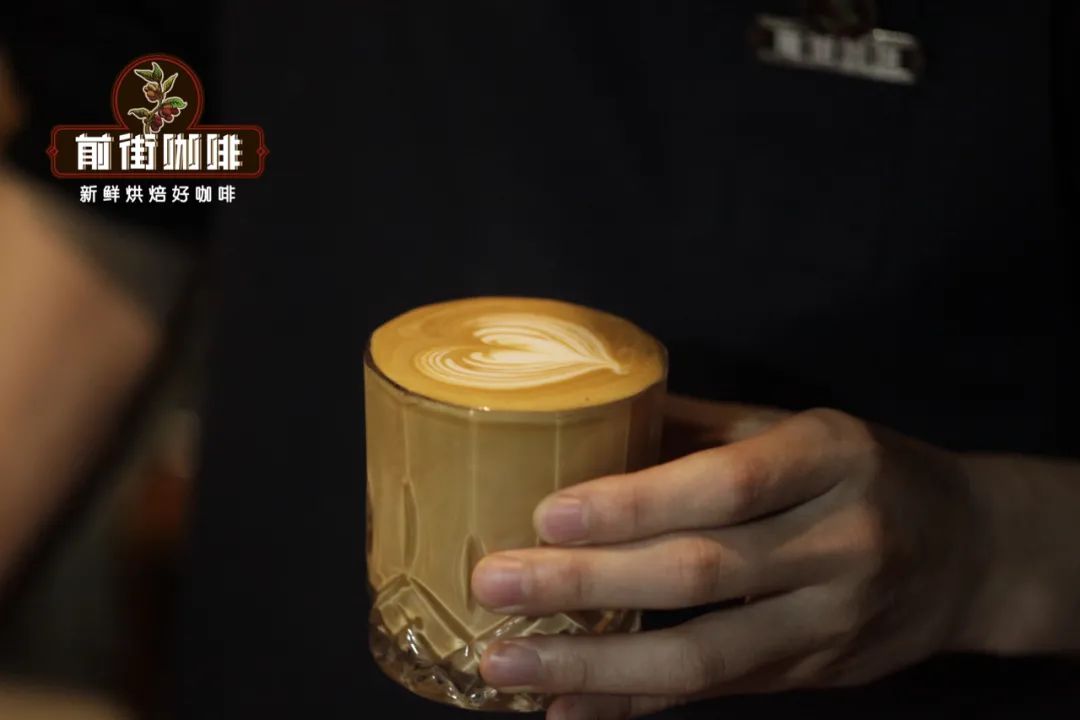
Walking into a café, the menu often lists lattes, cappuccinos, and mochas side by side—similar in price and appearance, yet they offer two very different drinking experiences. The difference mainly lies in the ratio of milk, milk foam, and espresso: cappuccino has thick, fluffy milk foam; latte has a higher proportion of milk and is smooth on the palate; mocha adds a chocolate element. Once you understand the composition of these milk coffees, you won't have to guess based on names when ordering.
For professional coffee knowledge exchange and more coffee bean information, please follow Coffee Workshop (WeChat official account: cafe_style)
Introduction
As is well known, the first wave of coffee brought instant coffee, while the second wave of coffee rose rapidly in the form of cafés, and espresso became an important part of the offerings at most cafés. Although we are already in the third wave of specialty coffee, the concepts of espresso and specialty coffee do not conflict, and more and more cafés use specialty coffee beans to make espresso.
Some people also call espresso flavored coffee——a series of coffee drinks made with espresso as the base. Common ones include Americano, latte, cappuccino, mocha, etc., while newer ones also include flat white, dirty coffee, and more.
Espresso as a base is characterized by being rich and convenient to make, and it is also quick to drink—two or three sips and it's done, achieving the goal of caffeine intake. Americano adds a certain amount of water to espresso, diluting the rich flavor of the espresso and making the coffee easier to drink. Drinks like latte, on the other hand, are made by adding milk. Compared with adding water, adding milk makes the coffee smoother and easier to drink, and it is very popular.
Unlike adding water, there are many types of coffee made with milk: the classic latte and cappuccino, and the newer flat white and dirty. Faced with such a wide variety of milk coffees, how should customers choose? Today FrontStreet Coffee will share the differences among different types of milk coffee.
The most classic milk coffee is undoubtedly the latte. “Latte” means “milk” in Italian. Latte is made by adding a large amount of milk to espresso. When FrontStreet Coffee makes latte, the ratio of espresso to milk is 1:6.5.
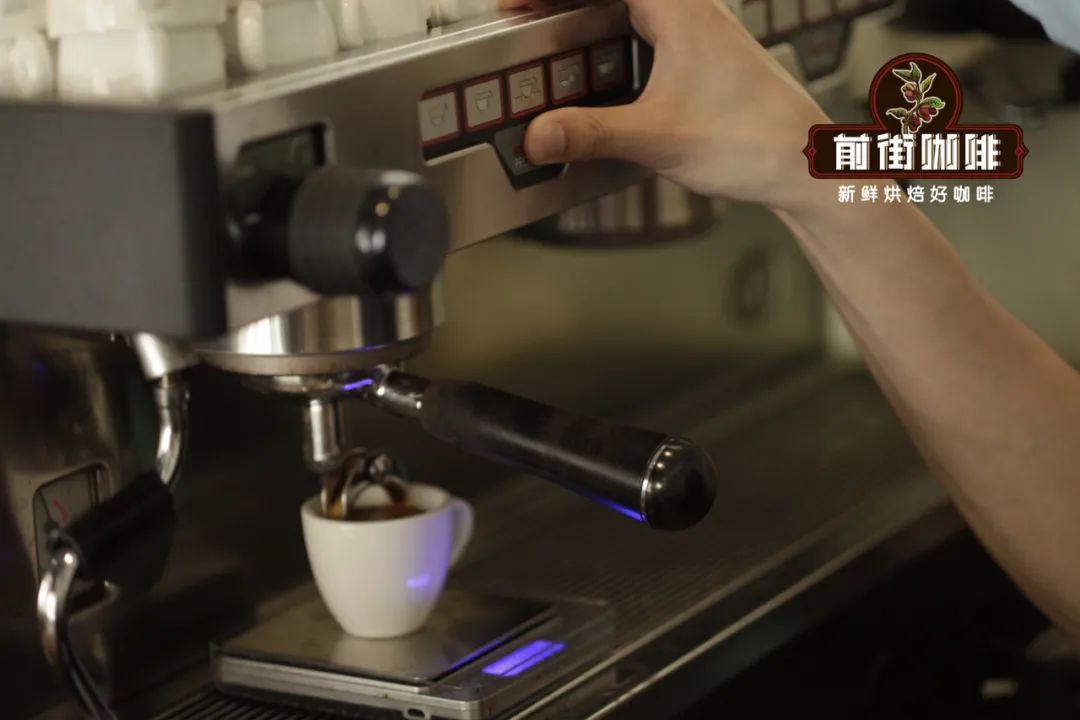
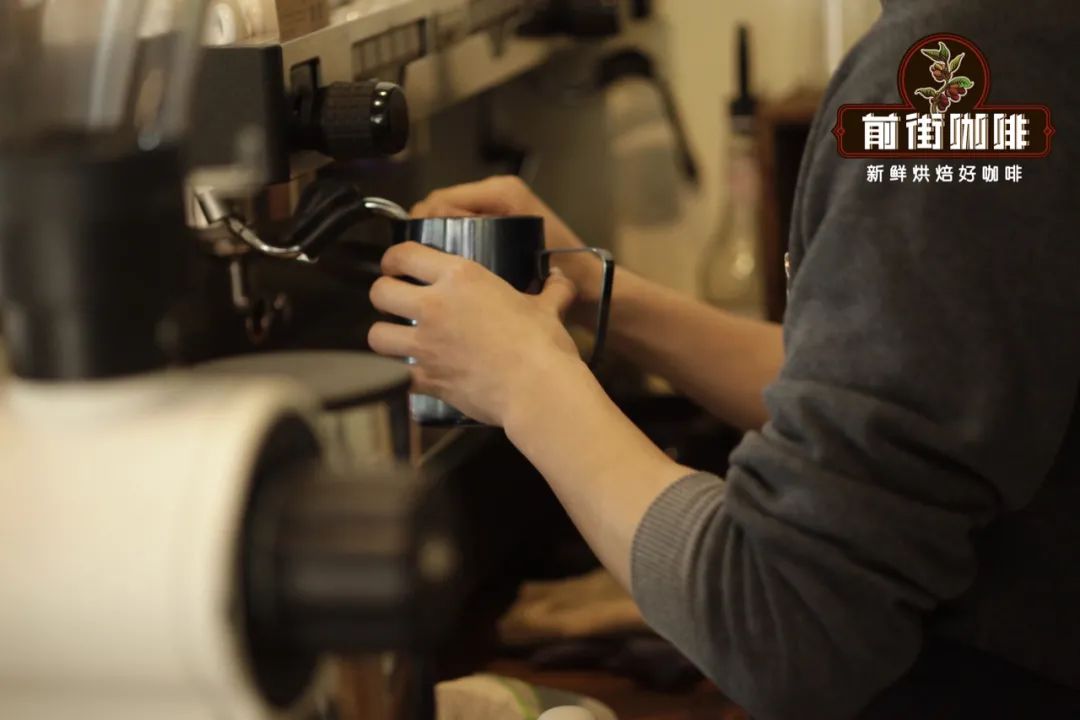
Latte preparation involves extracting espresso, steaming milk, and combining and serving. When steaming the milk, it should be aerated appropriately, because the milk foam thickness of a latte is moderate, about 1 cm. The moderate foam thickness gives the latte a smooth texture.
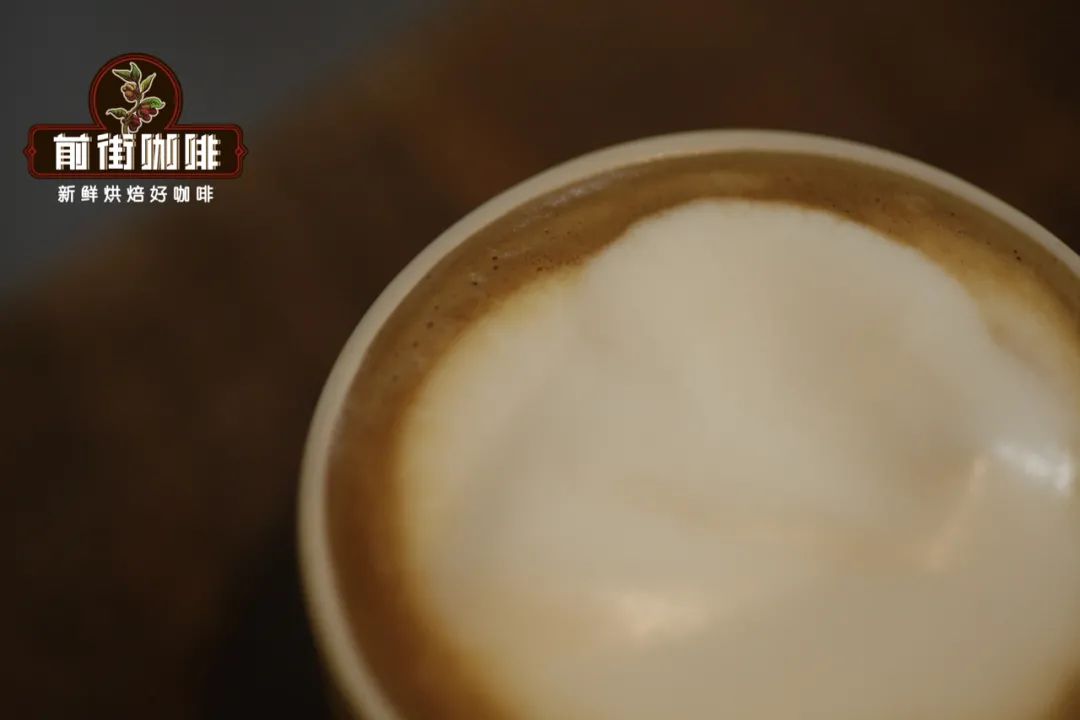
Cappuccino is another classic milk coffee. Compared with latte, cappuccino has thicker and denser milk foam, a smaller cup size, and a richer coffee flavor.
The steps for making cappuccino are much the same as for latte. The difference is that when steaming the milk, the aeration time should be extended in order to create thicker milk foam. For the cup, FrontStreet Coffee chooses a 180 ml tulip cup and uses 1 shot of espresso.
Flat white can be said to be a coffee that became popular in recent years. It has many different names, such as “Fu Rui Bai” and others, and its method is the same as latte and cappuccino. However, compared with latte and cappuccino, flat white has the thinnest milk foam. Among the three, flat white has the thinnest foam, latte is in the middle, and cappuccino has the thickest foam.
As for the ratio of espresso to milk, flat white has the lowest ratio, so its coffee flavor is the richest. Unlike latte, which has a large amount of milk added, latte is more like coffee-flavored milk, while flat white is more like milk-flavored coffee.
Mocha has multiple meanings. If referring to a producing region, mocha refers to coffee beans produced in Yemen. Yemeni mocha beans are small but fragrant and rich, with strong acidity and moderate sweetness, and the aftertaste has obvious dark chocolate notes. As the name of a coffee drink containing chocolate, the mocha introduced today is actually a milk coffee with chocolate sauce.
When FrontStreet Coffee makes mocha, it mixes chocolate sauce and cocoa powder with espresso, and the following steps are the same as for latte.
So mocha is a milk coffee with a chocolate flavor, and many cafés also add cream on top when making mocha.
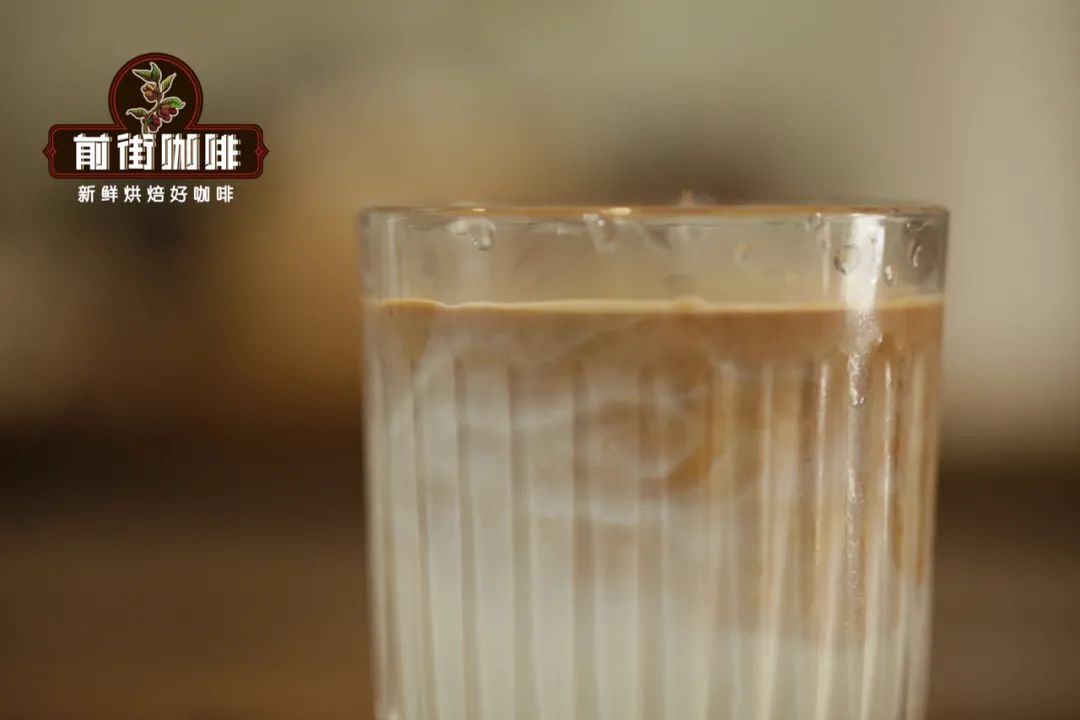
Dirty coffee can also be called “dirty coffee” in Chinese. The name Dirty may come from the “dirty” visual effect created by the flow when espresso is poured into milk. Therefore, the preparation order for Dirty is slightly different. Unlike other milk coffees where milk is added to espresso, Dirty instead pours the extracted espresso into milk, creating a waterfall-like flowing effect of coffee.
At the same time, Dirty is characterized by hot coffee and cold milk, with no ice added. When drinking, take a big sip to simultaneously experience the sweetness of the cold milk and the flavor of the coffee, creating a unique taste experience. Therefore, when making Dirty, the cup should be pre-chilled first. FrontStreet Coffee also recommends using a glass cup to present the dirty visual experience. The cup should have a wide mouth so that both milk and coffee can be tasted at the same time when drinking.
During preparation, pour cold milk into the pre-chilled cup, then place the entire cup under the coffee machine and directly catch the extracting coffee liquid in the cup already containing milk. The coffee liquid floats on the surface of the milk and then slowly sinks, creating a dirty look.
For more specialty coffee beans, please add the private WeChat of FrontStreet Coffee: kaixinguoguo0925

Light Roast Pour-Over Floral Coffee Beans Recommendation: Qianjie Yirgacheffe Gedeo Dingding, Qianjie Panama Hacienda La Esmeralda Green Label Geisha Coffee Beans, QianjiePanama Butterfly Coffee Beans
Daily medium-light roast Yirgacheffe pour-over floral coffee bean recommendation, Qianjie Yirgacheffe Guddina, light roast brings the signature white floral notesAromatic, with lemon-citrus fruit notes and a refreshing floral tea note; bright and crisp on the palate. Great value and an ideal entry-level pour-over coffee with floral and fruity notesAn unrivalled choice.
Moka pot, home espresso, and espresso-based milk drinks like latte — recommended beans: Qianjie Classic Espresso Blend, using BrazilianWest, with Mandheling Arabica and a small amount of Vietnamese Robusta fully blended, delivering a rich and outstanding espressocrema; overall style is rich and memorable. Qianjie Brazil Queen's Estate coffee beans and Qianjie Classic Espresso Blend coffee beans are both mochaA highly recommended option for pot-style espresso machines.
Fruity-floral signature espresso latte bean recommendation: Qianjie Strawberry Candy espresso blend, featuring strawberry gummy and rose aromas,Full-bodied sweetness with a grape and almond finish; especially stunning as an iced latte. Made from Costa Rican honey-process beans, PanamaBlended from Panama Geisha coffee beans and select beans from Colombia's Huila region. Not only does it overturn traditional espresso flavor, the cremaalso performs well, with impressive showings in creative specialty drinks.
Now available on Taobao store「 Qianjie Coffee 」To purchase the above coffee beans, Qianjie Coffee offers dozens of selected single-origin pour-over and espresso coffee beans from around the world. Qianjie CoffeeQianjie Coffee is a veteran specialty coffee roaster; beans are freshly roasted within 5 days, with consistent quality and highly competitive pricesGreat value, ships within 24 hours. Qianjie Coffee is recommended by many coffee lovers and platforms.
Taobao Qianjie Coffee Link: https://qianjiecoffee.taobao.com
Or search our shop directly on Taobao 「Qianjie Coffee」
Qianjie Coffee Store Address: 315 Donghuadong Road, Yuexiu District, Guangzhou
Follow our official account Qianjie Coffee to learn more about coffee
Site Recommendations:
耶加雪菲
花魁咖啡
瑰夏咖啡
波旁咖啡
蓝山咖啡
天堂鸟咖啡豆
曼特宁咖啡豆
PWN黄金曼特宁
星巴克菜单
咖啡豆种类
Please indicate the source when reprinting.
2017-08-26 19:59:17