Golden Mandheling and Blue Mountain No. 1 are often compared side by side, because both lean toward the bitter notes of chocolate and nuts, yet each has its own character. Mandheling comes from the high-altitude growing regions of Sumatra, and the cup often carries herbal and spice aromas with a full body; Blue Mountain is produced in Jamaica's Blue Mountain range and is known for its balanced acidity, bitterness, and sweetness along with a clean finish. When choosing beans, it is worth first asking yourself whether you want something intense or something round and smooth, and then deciding the pour-over water temperature and grind size.
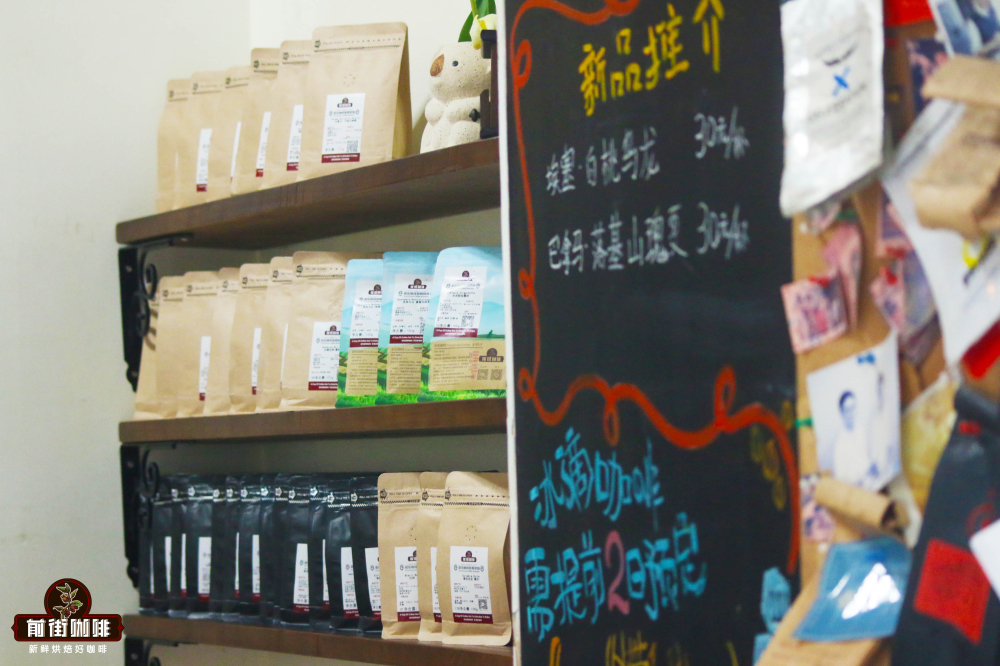
Indonesian Mandheling coffee and Jamaican Blue Mountain coffee are both bitter-toned coffees of the chocolate and nut flavor type. Generally, if you want a balanced taste, the baristas at FrontStreet Coffee recommend Jamaica's Blue Mountain No. 1; if you like a rich coffee with herbal and spice aromas, FrontStreet suggests trying Indonesia's Golden Mandheling. Below, FrontStreet compares the characteristics of these two specialty coffees.
Blue Mountain No. 1 coffee is produced in Jamaica's high-altitude Blue Mountain range
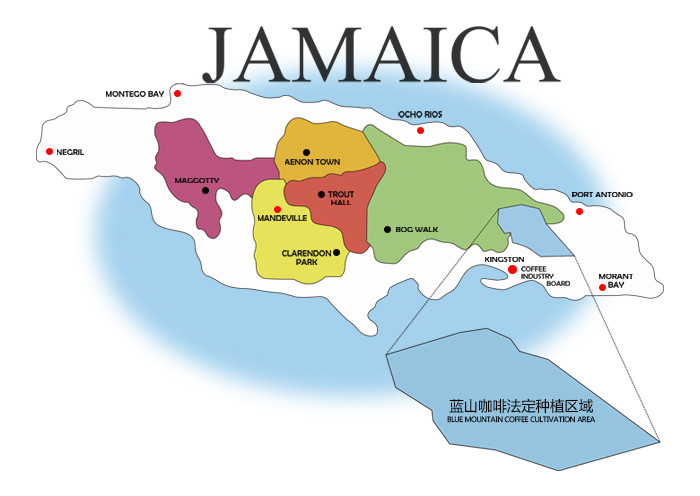
Jamaica's Blue Mountain range is the highest-altitude area in the Caribbean, with a tropical rainforest climate. Annual rainy-season precipitation reaches as much as 1,800–2,000 mm, and the steeply sloping terrain aids drainage, allowing the vegetation here to be fully irrigated. The Blue Mountain area has beautiful scenery and high-quality air, and the fertile volcanic soil helps crops produce full-flavored fruit; locally, coffee trees are interplanted with banana trees and avocado trees. At high altitudes, the Blue Mountains are shrouded in cloud and mist, providing natural shade for the coffee trees. To protect the Blue Mountain environment, Jamaican law stipulates that crops may be grown only below 1,700 meters above sea level, and strictly requires that only Arabica coffee grown in specific areas from 910 to 1,700 meters may be called Jamaica Blue Mountain Coffee. It is divided into four producing regions: St. Mary, St. Thomas, St. Andrew, and Portland, together covering one third of the entire Blue Mountain growing area.
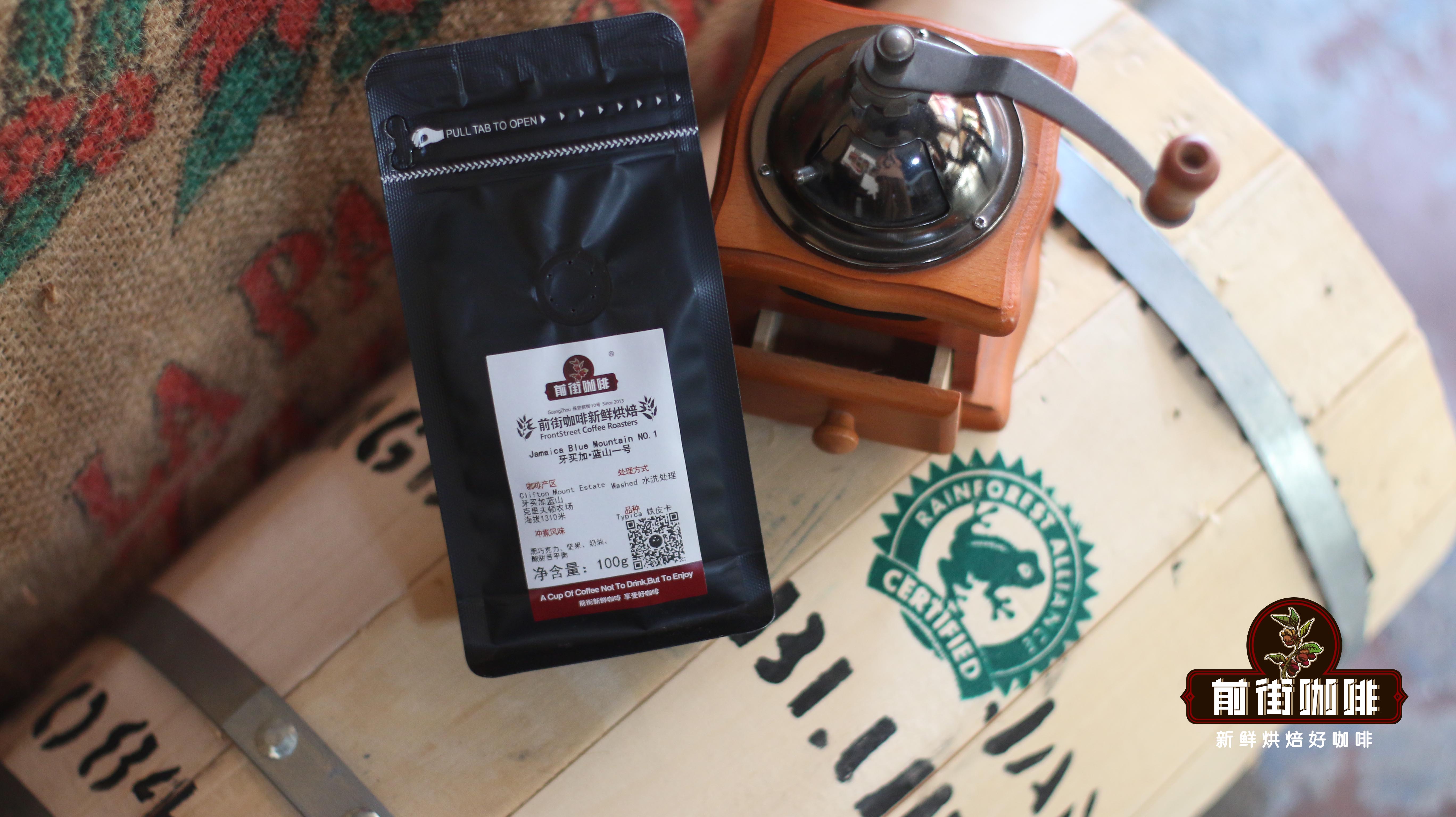
Unlike many producing regions that switch to higher-yield coffee varieties to increase output, Blue Mountain has consistently insisted on planting the recognized high-quality old variety, Typica. After nearly three hundred years of adaptation and propagation, Blue Mountain Typica has not only integrated with the local island-type terroir but also evolved relatively good disease resistance, and its resistance to coffee berry disease is much stronger than that of ordinary Typica. FrontStreet believes that the refined, clean flavor of Blue Mountain is inseparable from Jamaica's dedicated cultivation of the Typica variety. FrontStreet's Blue Mountain No. 1 coffee is produced by Jamaica's historic Clifton Mount Estate and uses traditional washed processing.
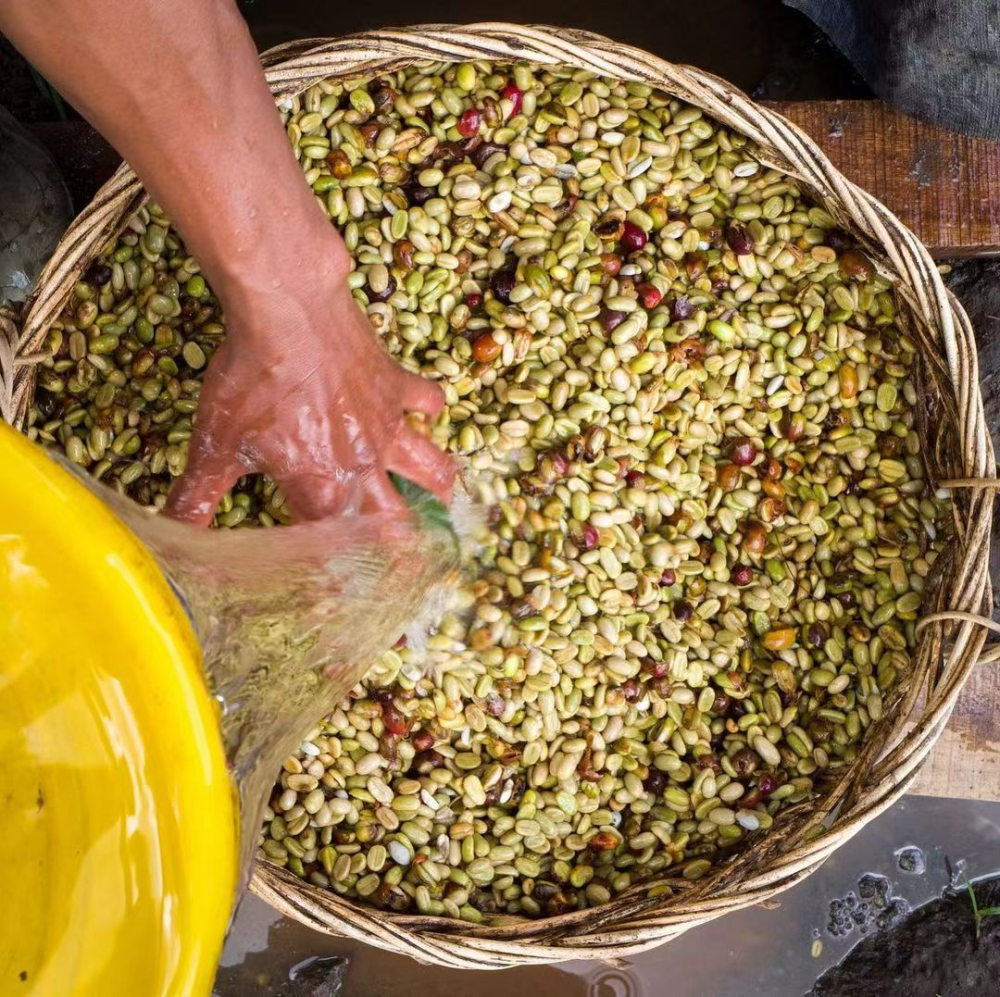
Clifton Mount Estate places freshly picked coffee cherries into water tanks for flotation, removes the skin and pulp before the beans ferment, and overnight fermentation produces a large amount of acidic substances that cause the mucilage layer to separate from the surface. The parchment beans are then sun-dried until the moisture content meets the standard, after which they are packed and stored in warehouses and sent for quality inspection. The washing step makes the flavor of the Blue Mountain coffee beans themselves cleaner and more transparent, and the quality more stable.
Indonesian Golden Mandheling comes from the mysterious island of Sumatra
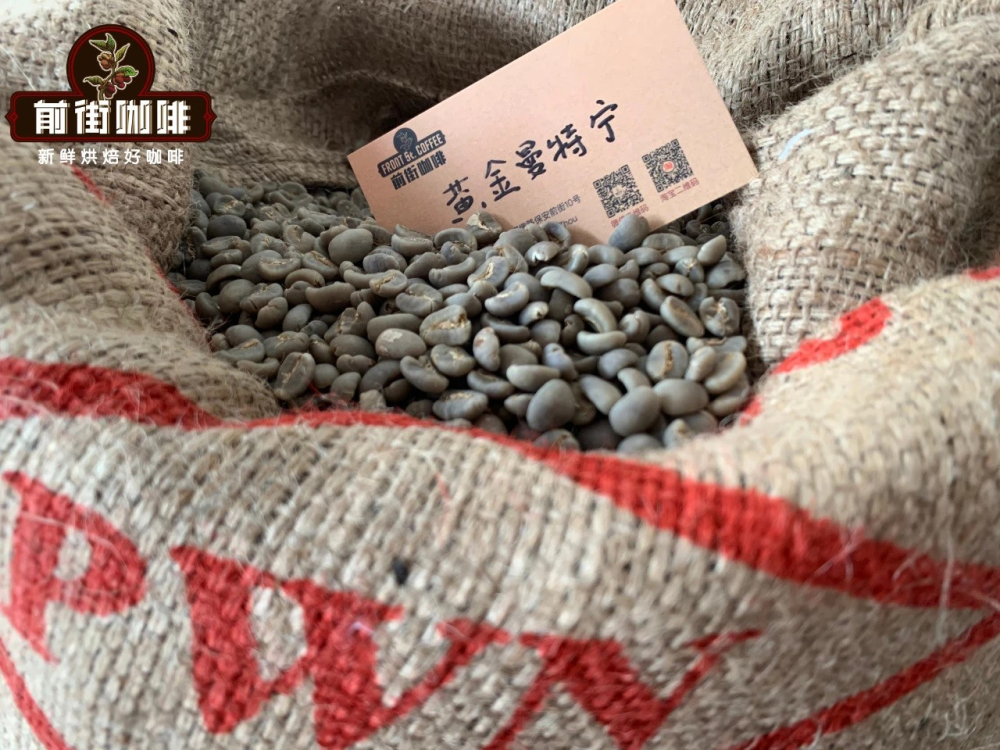
Mandheling is produced on Indonesia's mysterious island of Sumatra. Sumatra is divided into eight provinces in total, and among them only the high-altitude provinces of Aceh and North Sumatra grow Arabica coffee on a large scale. Sumatra lies in a tropical rainforest zone, and the forests and mountains are often filled with clouds and rain, casting a layer of mystery over Sumatra. Locals plant coffee trees around two major volcanic lakes, Lake Tawar and Lake Toba. The Gayo Mountains around Lake Tawar have ideal conditions for coffee growing, with widespread organic cultivation and a long history of planting, which together make the coffee produced here higher in quality and yield. Many green coffee traders also value this area, including the locally famous Pwani Coffee Company (PWN). The Golden Mandheling coffee on FrontStreet's bean list is produced by PWN and uses Indonesia's unique wet-hulling process.
In the wet-hulling process, the skin and pulp of the coffee fruit are first removed, followed by a short fermentation and then drying; while the beans are semi-dry, the parchment layer is removed, and drying continues in the later stage until the moisture content drops to 12%. Because each step is completed in an environment of 70–90% humidity, and the parchment layer has already been removed before the final drying step, the "naked" green beans easily absorb moisture from the air. As a result, the coffee produced has more of the muted, heavy aromas of wood, herbs, and spices, which is also a flavor characteristic unique to Indonesian coffee-producing regions.
The green bean grades of both Blue Mountain No. 1 and Golden Mandheling are the highest local grades
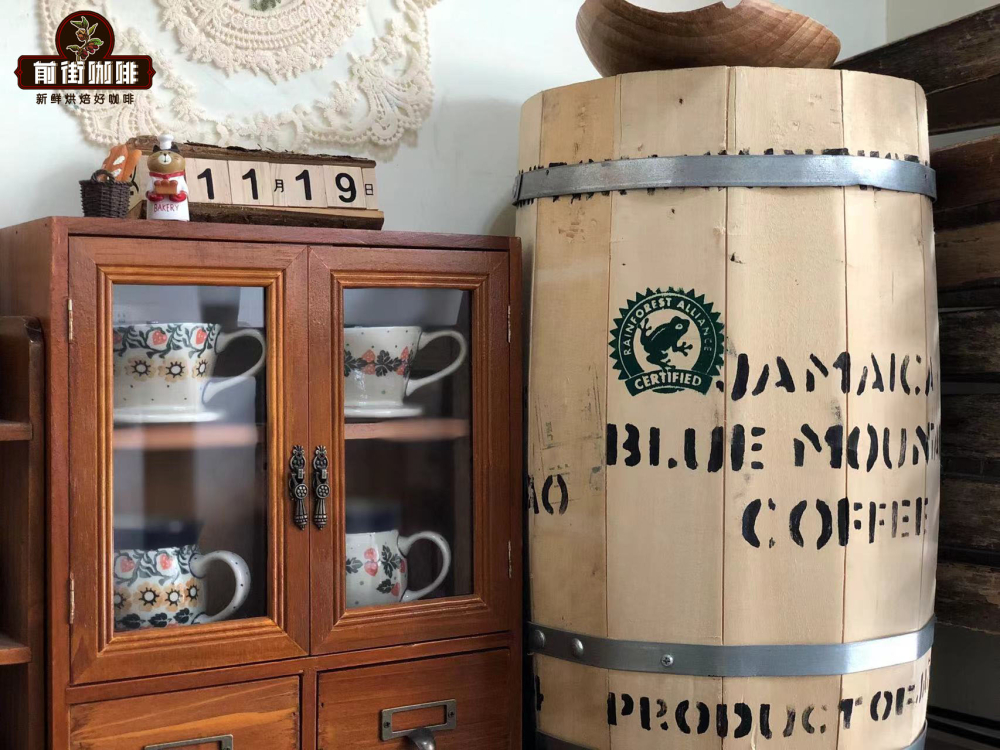
Jamaica grades Blue Mountain coffee according to such items as green bean specifications, defect rate, and cupping flavor. Blue Mountain coffee is divided into four grades: Blue Mountain No. 1, Blue Mountain No. 2, Blue Mountain No. 3, and hand-selected Blue Mountain Peaberry. Among them, Blue Mountain No. 1 coffee beans are the highest grade, with green bean specifications of 17 screen or above and a moisture content of about 10–12.5%. After roasting, they have just the right acidity, sweetness, bitterness, body, and aroma, making them an extremely precious Blue Mountain coffee lot. To ensure that Blue Mountain coffee beans maintain better quality until roasting and to avoid moisture penetration during transport, Jamaicans insist on using handcrafted wooden barrels as the container for Blue Mountain green beans. The wooden barrel has also become one of the important symbols of Jamaican Blue Mountain coffee.
Golden Mandheling coffee, by contrast, is PWN's exclusive signature product. Because the "Golden Mandheling" trademark was registered early on, only Mandheling produced by PWN can be called "Golden Mandheling." The characteristic of Golden Mandheling coffee is that the green beans have undergone multiple rounds of screening, so the overall quality is very high. PWN purchases Mandheling green beans of 18 screen or above, G1 grade with fewer than 3 defective beans in a 300 g sample, which is the highest grade of Indonesian green beans. Subsequently, strict standards are followed for 1 machine sorting plus 3 manual sortings to remove defective beans, ensuring that the color, shape, and size of the Mandheling coffee beans are uniform. Therefore, FrontStreet's PWN Golden Mandheling tastes cleaner and more transparent, with more obvious body and sweetness.
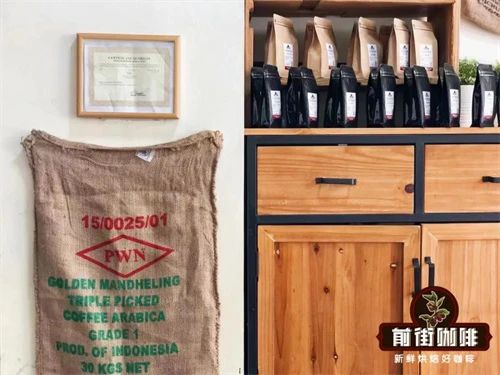
Both of these coffees from FrontStreet come with the corresponding certification documents. The wooden barrels and green bean sacks used for the green beans are all on display at FrontStreet's Dongshankou store, so when you have some leisure time while drinking coffee, you can take a look as well.
Cupping flavors of Blue Mountain No. 1 coffee and Golden Mandheling coffee
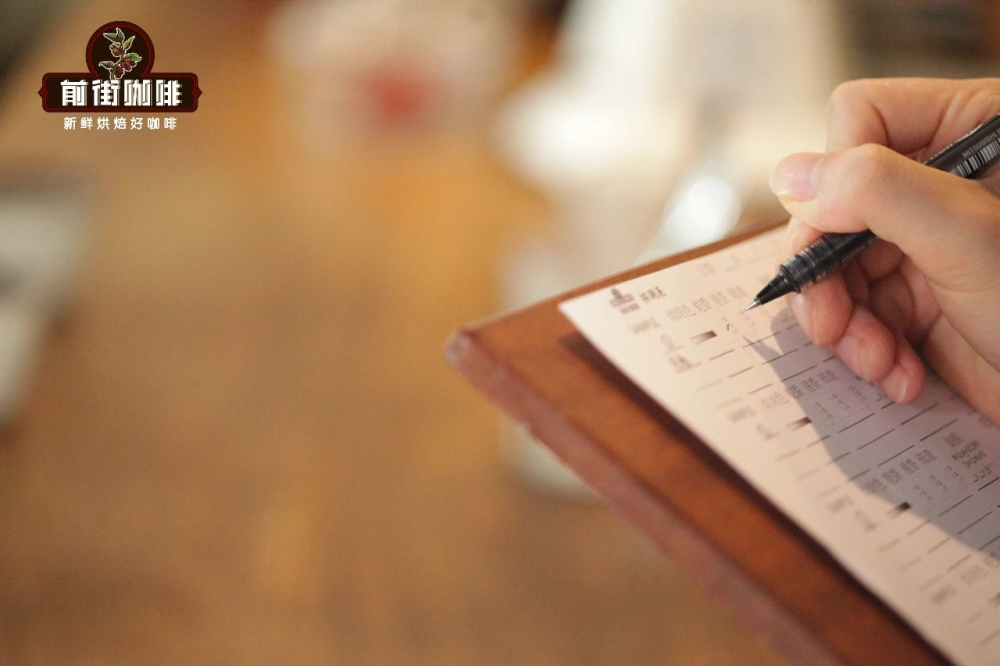
Before FrontStreet releases a coffee bean, it tastes the coffee in the form of cupping. Since both coffees highlight the rich aroma of nuts, FrontStreet uses a medium-dark roast to retain some acidity. Golden Mandheling coffee has a more prominent body, so its roast level is darker than that of Blue Mountain No. 1 coffee.
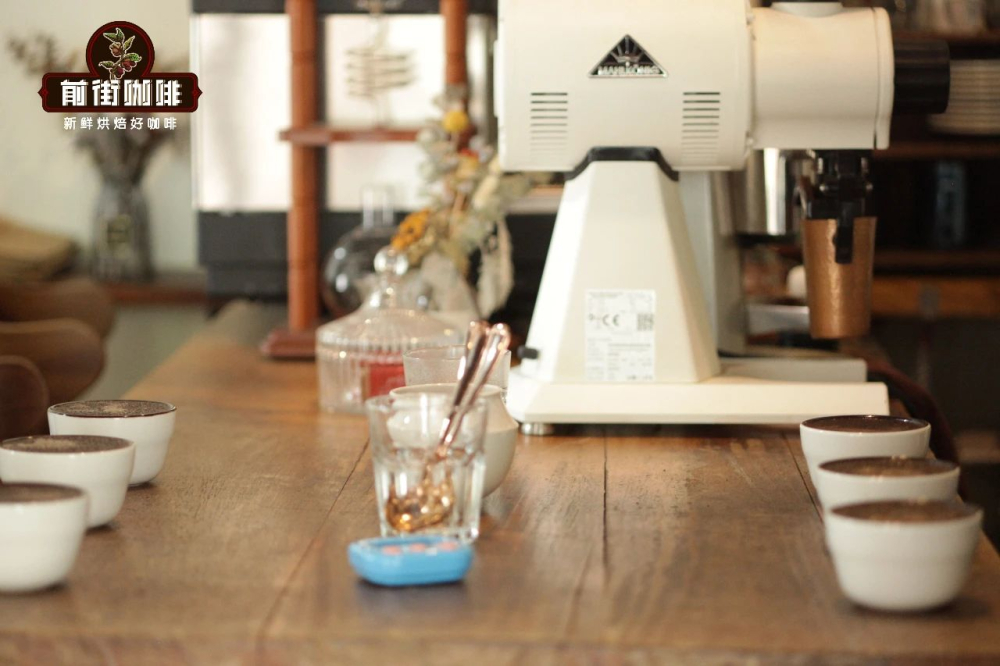
Cupping is an assessment of coffee bean quality and flavor. A unified standard allows one to more objectively identify the strengths and weaknesses of the flavors presented by the beans, as well as their characteristics. After cupping, FrontStreet's PWN Golden Mandheling has not only the aromas of dark chocolate, nuts, and caramel but also the flavors of herbal spices and pine wood, with the sweet aftertaste of dark chocolate, a full finish, and high cleanliness; as the temperature drops, it carries gentle fruit acidity.
When FrontStreet received the Blue Mountain No. 1 green beans, the beans were uniform and plump, even in size, and overall a translucent blue-green. After roasting, FrontStreet conducted cupping: the dry aroma had nuts, melon, and chocolate; after hot water was poured in, oolong tea, caramel, honey, and dark chocolate could be smelled. In the cup it tasted of rich dark chocolate, roasted hazelnut, cream, and black sugar, with a clean and clear flavor, a full body, and a lasting aroma.
FrontStreet brewing suggestions
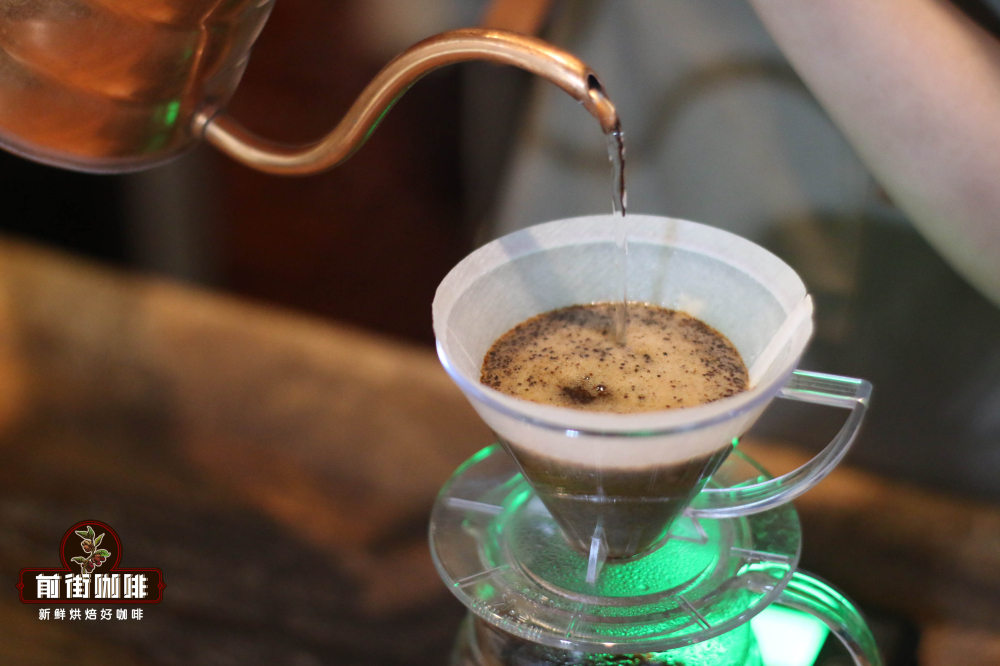
FrontStreet believes that the greatest characteristics of these two coffees are body and roundness, so the baristas at FrontStreet Coffee consistently use the KONO dripper for extraction. The only exhaust part of the KONO dripper is that one quarter of the ribs. When the water level passes over the rib section, the water level in the dripper keeps rising, and the weight of the water increases the pressure. Because the outlet is relatively small, the contact time between coffee particles and water can be extended; as water is poured in, soluble substances are brought out more effectively, thereby enhancing the coffee's rich, full-bodied mouthfeel. FrontStreet hopes that every customer who places an order can taste the full aroma in the coffee, so it ships only coffee beans freshly roasted within 5 days, allowing everyone to enjoy the coffee's complete peak-flavor period upon receipt.
Dripper: KONO
Water temperature: 87°C
Dose: 15 g
Coffee-to-water ratio: 1:15
Grind size: 70% passing through China standard No. 20 sieve
Pouring method: three-stage pouring
First pour 30 g of hot water and let it bloom for 30 seconds. Then pour from the center in a thin stream and slowly circle out to 125 g. When the water level in the dripper drops until the coffee bed is about to be exposed, continue circling and pouring to 225 g. The total extraction time is about 2 minutes. Before you begin tasting, gently swirl the coffee liquid to mix it evenly.

Light Roast Pour-Over Floral Coffee Beans Recommendation: Qianjie Yirgacheffe Gedeo Dingding, Qianjie Panama Hacienda La Esmeralda Green Label Geisha Coffee Beans, QianjiePanama Butterfly Coffee Beans
Daily medium-light roast Yirgacheffe pour-over floral coffee bean recommendation, Qianjie Yirgacheffe Guddina, light roast brings the signature white floral notesAromatic, with lemon-citrus fruit notes and a refreshing floral tea note; bright and crisp on the palate. Great value and an ideal entry-level pour-over coffee with floral and fruity notesAn unrivalled choice.
Moka pot, home espresso, and espresso-based milk drinks like latte — recommended beans: Qianjie Classic Espresso Blend, using BrazilianWest, with Mandheling Arabica and a small amount of Vietnamese Robusta fully blended, delivering a rich and outstanding espressocrema; overall style is rich and memorable. Qianjie Brazil Queen's Estate coffee beans and Qianjie Classic Espresso Blend coffee beans are both mochaA highly recommended option for pot-style espresso machines.
Fruity-floral signature espresso latte bean recommendation: Qianjie Strawberry Candy espresso blend, featuring strawberry gummy and rose aromas,Full-bodied sweetness with a grape and almond finish; especially stunning as an iced latte. Made from Costa Rican honey-process beans, PanamaBlended from Panama Geisha coffee beans and select beans from Colombia's Huila region. Not only does it overturn traditional espresso flavor, the cremaalso performs well, with impressive showings in creative specialty drinks.
Now available on Taobao store「 Qianjie Coffee 」To purchase the above coffee beans, Qianjie Coffee offers dozens of selected single-origin pour-over and espresso coffee beans from around the world. Qianjie CoffeeQianjie Coffee is a veteran specialty coffee roaster; beans are freshly roasted within 5 days, with consistent quality and highly competitive pricesGreat value, ships within 24 hours. Qianjie Coffee is recommended by many coffee lovers and platforms.
Taobao Qianjie Coffee Link: https://qianjiecoffee.taobao.com
Or search our shop directly on Taobao 「Qianjie Coffee」
Qianjie Coffee Store Address: 315 Donghuadong Road, Yuexiu District, Guangzhou

Site Recommendations: 耶加雪菲 花魁咖啡 瑰夏咖啡 波旁咖啡 蓝山咖啡 天堂鸟咖啡豆 曼特宁咖啡豆 PWN黄金曼特宁 星巴克菜单 咖啡豆种类
Please indicate the source when reprinting.
2025-07-01 17:26:28
