Indonesian Mandheling and Jamaican Blue Mountain are often discussed together because both follow a full-bodied profile, yet each has its own emphasis. Mandheling mostly comes from Sumatra, and the styles of the two lakes' double Mandheling range from musty aroma to deep and low notes; Blue Mountain is known for being clean and balanced. The article starts from the origin background and cupping performance, comparing aroma, body, and acidity one by one, so that the differences land on concrete sensory impressions.
Indonesian Mandheling and Jamaican Blue Mountain are often discussed together because both follow a full-bodied profile, yet each has its own emphasis. Mandheling mostly comes from Sumatra, and the styles of the two lakes' double Mandheling range from musty aroma to deep and low notes; Blue Mountain is known for being clean and balanced. The article starts from the origin background and cupping performance, comparing aroma, body, and acidity one by one, so that the differences land on concrete sensory impressions.
I wonder whether a few questions have ever lingered in your mind: Is Indonesian Mandheling Arabica coffee? Why are Blue Mountain coffee beans so expensive? What is the difference in taste between Indonesian Mandheling and Blue Mountain coffee beans?
Regarding the above, FrontStreet Coffee has written many sharing and introductory articles, and has also done many comparative experimental shares for everyone~
First,
let us first understandIndonesian Mandheling coffee beans.
In Indonesia, the most famous is none other than Mandheling coffee beans. FrontStreet Coffee currently offers 4 Indonesian Mandheling coffee beans with different flavorsIndonesian Mandheling coffee beans, one of which is the famous FrontStreet PWN Golden Mandheling.
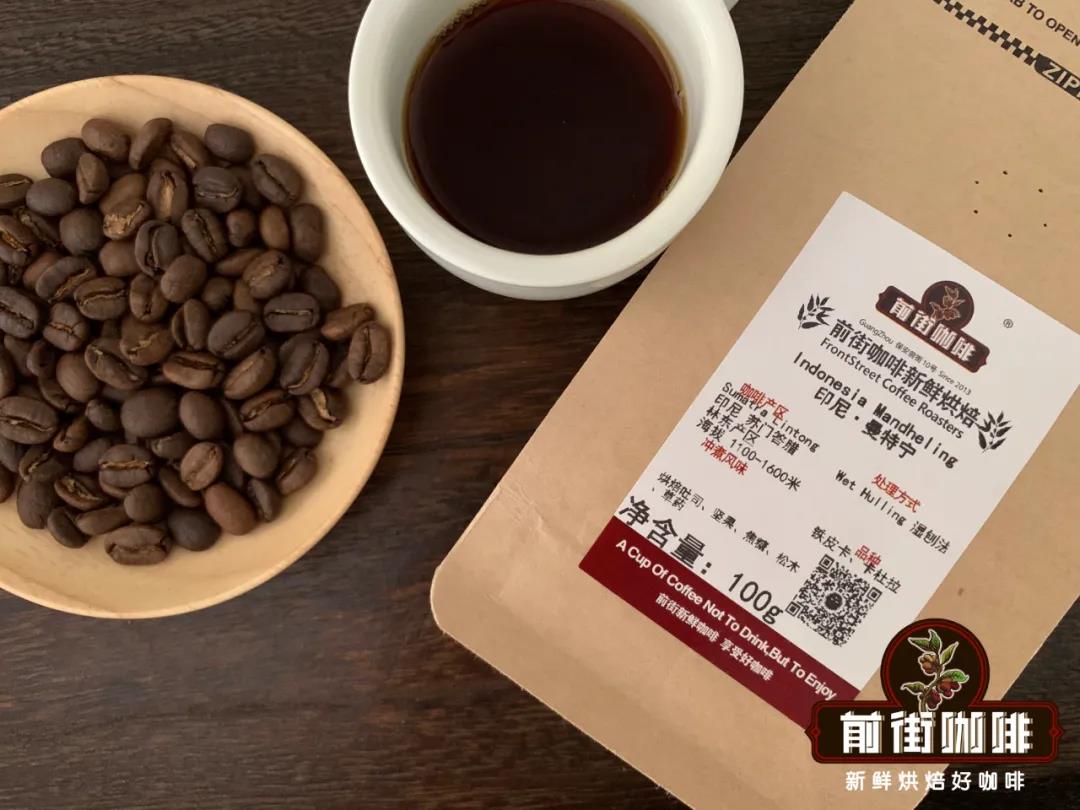
Customers often ask FrontStreet, “What is the difference between yourFrontStreet PWN Golden Mandheling coffee beans and ordinary Indonesian Mandheling coffee beans?”
In fact, whether from appearance or taste, the difference between FrontStreet PWN Golden Mandheling coffee beans and ordinary Indonesian Mandheling coffee beans can be clearly distinguished. However, after detailed comparative brewing, FrontStreet Coffee found that FrontStreet PWN Golden Mandheling coffee beans perform more cleanly and clearly in flavor, with richer layering than ordinary Indonesian Mandheling coffee beans! The biggest reason among them is nothing other than that FrontStreet PWN Golden Mandheling coffee beans have undergone more than 3 rounds of manual screening; the selected coffee beans are screen size 18 and above, making the bean size of FrontStreet PWN Golden Mandheling coffee beans very uniform, so their flavor is naturally more balanced.
FrontStreet Coffee · IndonesiaMandheling coffee bean origin
Indonesia is located in Southeast Asia. Its coffee history can be traced back to 1696, when Dutch coffee farm owners tried to find broader coffee-growing land. After much exploration, they finally settled on Indonesia's Java Island. Over the course of 30 years, Indonesia had already established a sufficient foundation in the coffee market. Most of the Java coffee sold to Europe came from the Sumatra region, and Mandheling comes from Sumatra. Therefore, Sumatra can be said to be an important coffee-producing region in Indonesia.
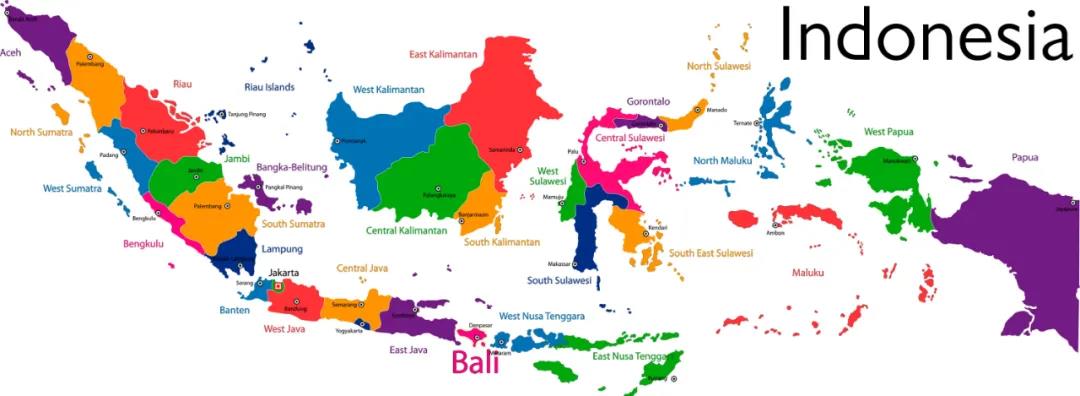
The name “Mandheling” is very different from other coffee beans. It is not a producing region, place name, port name, or even the name of a coffee variety (like “Yirgacheffe” or “Sidamo,” which are names of African producing regions). The name “Mandheling” is merely a phonetic mishearing of the Indonesian Mandheling ethnic group.
However, why would this ethnic group become connected with coffee? In fact, there is a legendary story of a lucky accident.
During World War II, Japan occupied Indonesia. One day, when a Japanese soldier drank exceptionally delicious coffee in a coffee shop, he immediately asked the owner for the name of the coffee. However, due to the language barrier, the coffee shop owner thought the officer was asking, ”Where are you from?” and then he answered: “Mandheling.”
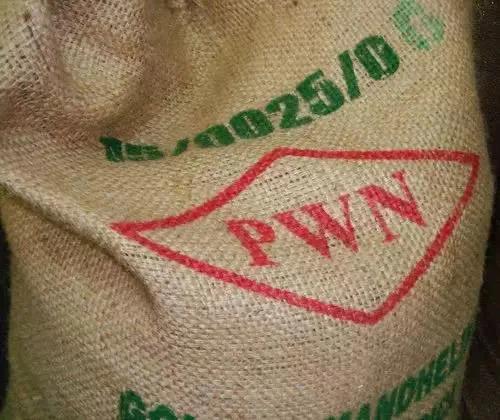
Then, after World War II ended, this Japanese soldier recalled the “ Mandheling ” coffee he had drunk in Indonesia at that time, and asked an Indonesian broker to ship fifteen metric tons of Mandheling to Japan for him. As a result, it became very popular in the Japanese coffee market. Thus the name “ Mandheling ” has been passed down to this day.(This broker created today's famous Pwani Coffee Company, abbreviated PWN, in Indonesia's coffee industry, and is also the trademark owner of Golden Mandheling.)
Most Indonesian Mandheling coffee beans use Sumatra's unique processing method: wet-hulling. Because the local weather is mostly rainy, with constant typhoons, it cannot achieve the good weather required for natural sun-drying, and the local economy is not good either, so it likewise cannot use the more expensive washed method. This gave rise to the highly local wet-hulling method.
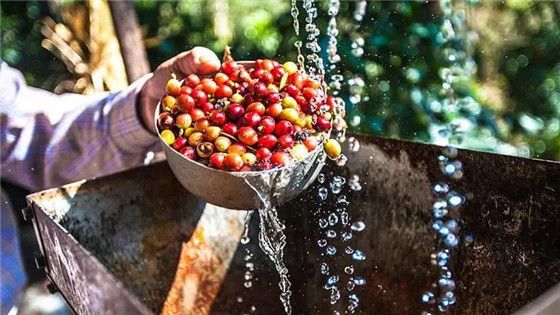
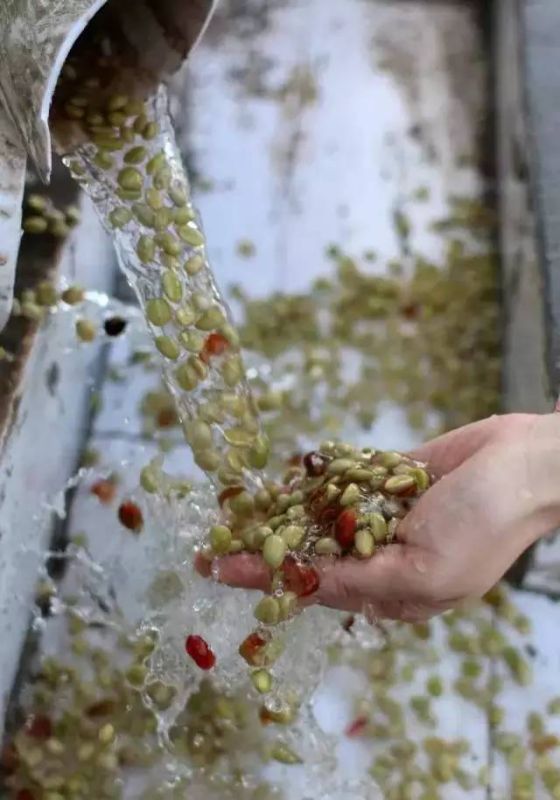
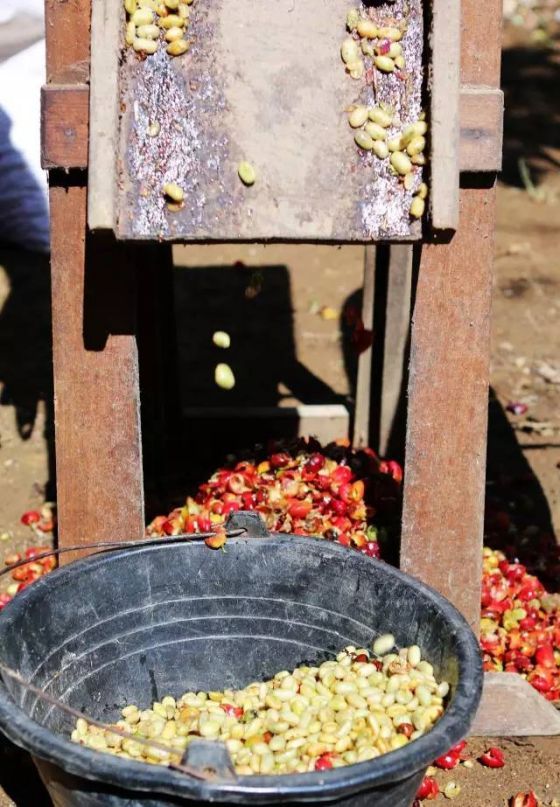
In the first stage, a wooden pulper is used to remove the skin and pulp. After 3 hours of fermentation, the beans are dried so that the moisture content drops to 30-50%, half-dry and half-wet. In the second stage, the mucilage and parchment layer are removed, and drying continues for the later stage. The drying process takes 2-4 days, and the moisture content drops to 12-13%.
So, what are the common types of Mandheling? Next, we present FrontStreet Coffee's 4 Indonesian Mandheling coffee beans. They are Lintong Mandheling coffee beans, FrontStreet PWN Golden Mandheling coffee beans, Tiger Mandheling coffee beans, and Aged Mandheling coffee beans.
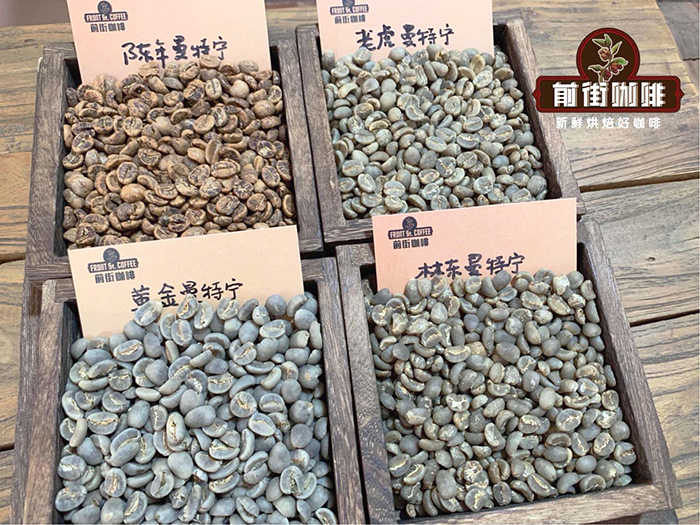
A specialty Mandheling produced in the Lintong region, with relatively large beans and relatively hard bean texture. Indonesian coffee is highly diverse in quality, but what we usually call Mandheling refers to coffee beans of Typica or its variants grown in the mountainous areas around Lake Toba. Coffee gourmets around the world have commented: “Sumatra Mandheling coffee has the best texture in the world.
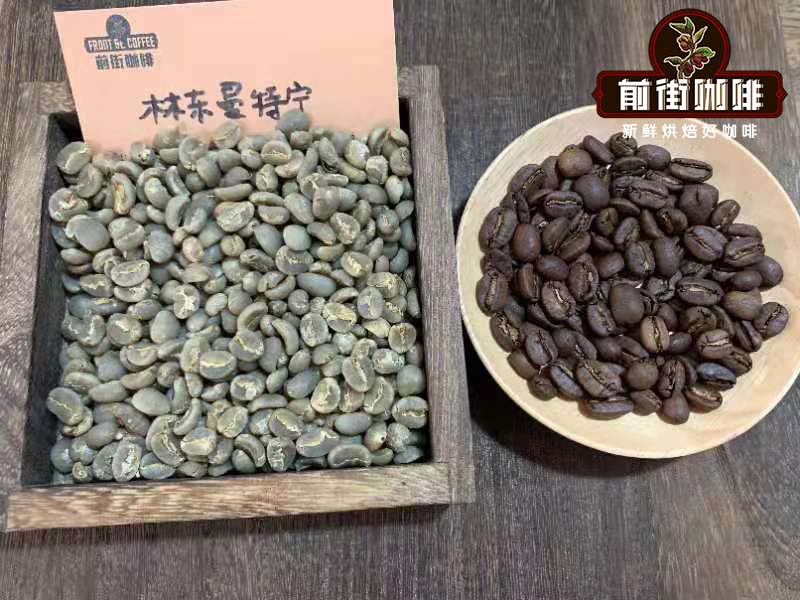
Mandheling coffee beans have relatively large beans and relatively hard bean texture. Because there are many defects, strict selection is required during coffee processing. Mandheling coffee is an indispensable variety in coffee blends. The coffee flavor is rich, sweetly fragrant, purely bitter, and full-bodied, with a little sweetness and slight acidity.
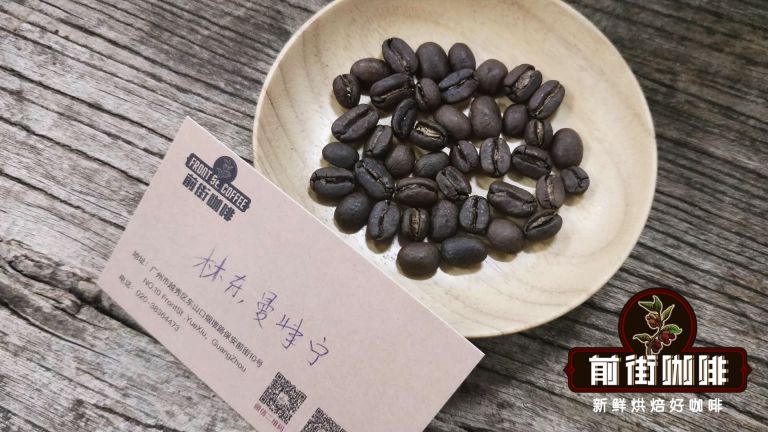
FrontStreet Coffee · Lintong Mandheling coffee beans
Region: Lintong producing region
Altitude: 1100-1600m
Variety: Typica, Caturra
Processing method: wet-hulled
Golden Mandheling was registered as a trademark by Indonesia's PWN company, so Golden Mandheling became exclusive to PWN.
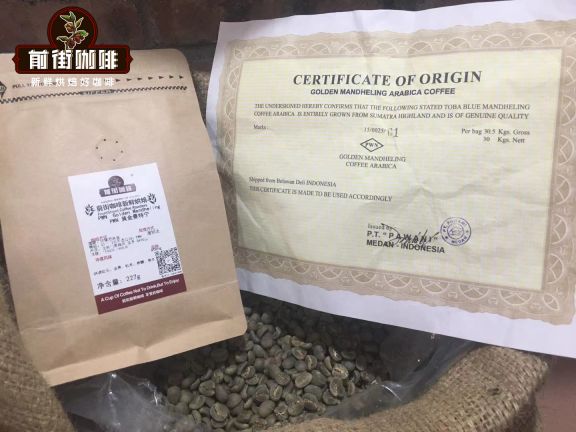
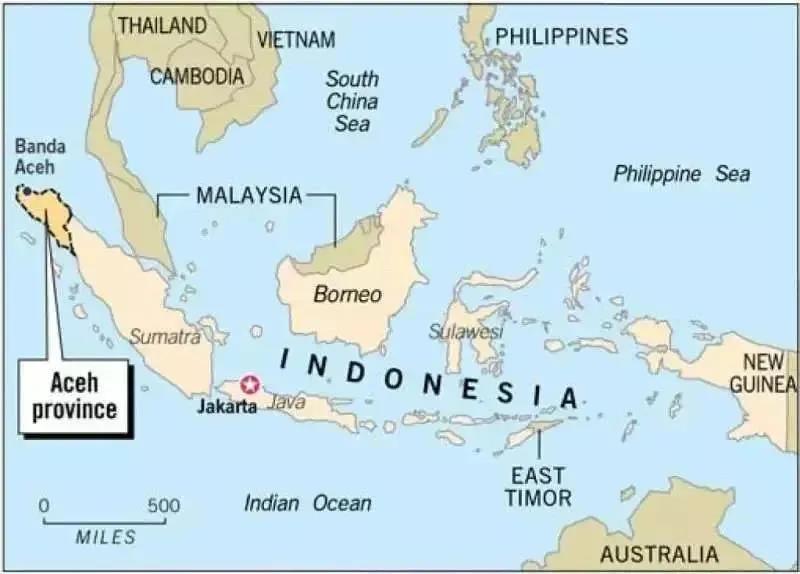
Golden Mandheling is produced in the Gayo Mountains of Aceh, North Sumatra. The variety is Ateng. Ateng is a hybrid between Arabica and Robusta, widely planted in Sumatra and other small Indonesian islands. It is actually a branch of Catimor; Ateng is the local name. Golden Mandheling screen 19 has undergone four rounds of manual selection, with higher quality requirements.
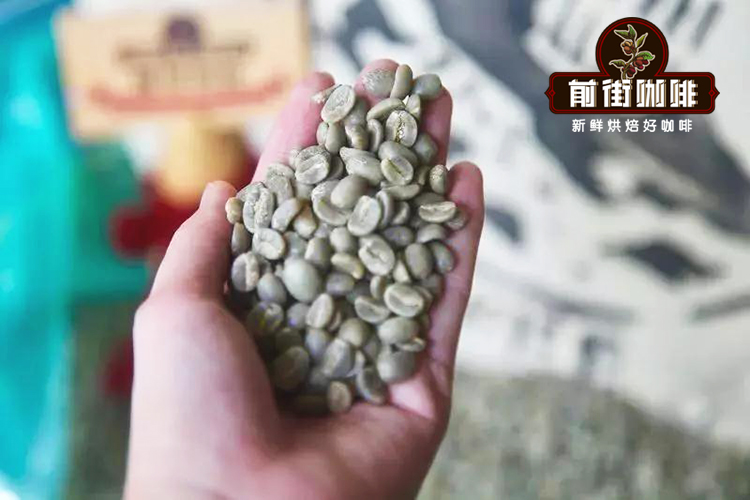
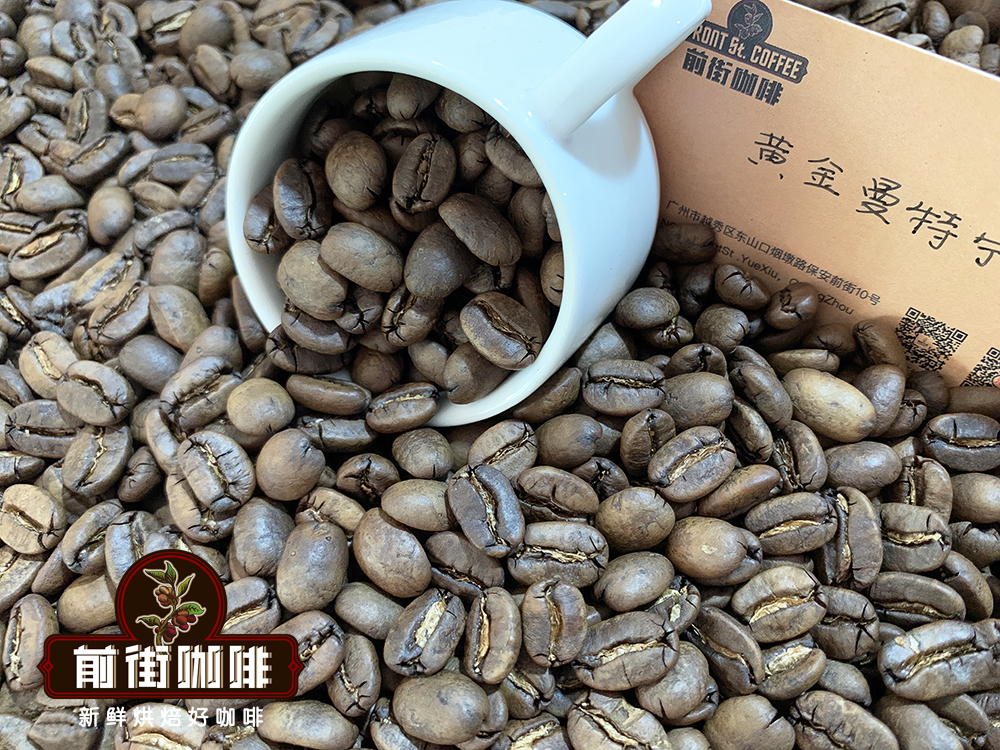
FrontStreet Coffee · FrontStreet PWN Golden Mandheling coffee beans
Region: Gayo Mountains, Aceh
Altitude: 1100-1600m
Variety: Typica
Processing method: wet-hulled
FrontStreet Coffee's FrontStreet PWN Golden Mandheling is among the outstanding ones. FrontStreet Coffee's FrontStreet PWN Golden Mandheling coffee beans are a selected top-grade coffee from the Indonesian green bean company Pawani. FrontStreet PWN Golden Mandheling is a trademark, a coffee brand built into Indonesia's top tier. Precisely because of this, Pawani also searches everywhere on the island of Sumatra and purchases high-quality coffee beans.
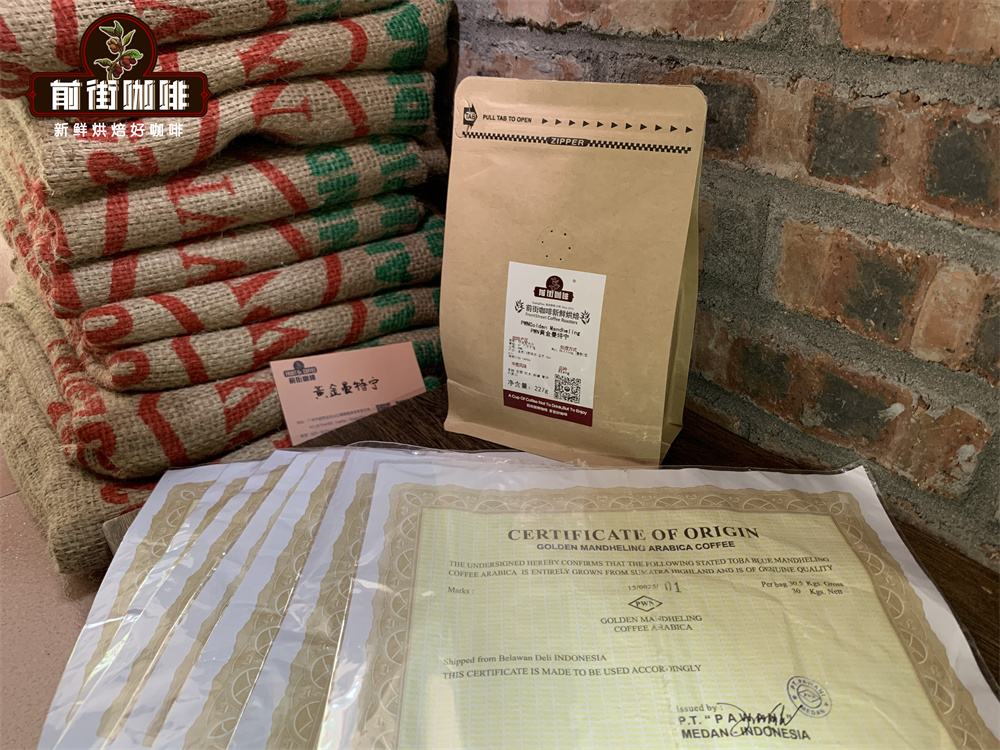
The coffee variety of the new-season FrontStreet Coffee FrontStreet PWN Golden Mandheling is “Ateng”. This seems to be a very unfamiliar coffee variety. In fact, Indonesia's local names for coffee varieties are somewhat different. For example, what Indonesia calls Tim Tim is what we call Timor. And Ateng is the localized Indonesian name for Catimor. The Ateng variety is very suitable for cultivation and flavor development in the Aceh region.
Only Mandheling coffee beans with a defect rate below 4% at screen size 17 and above can be called Tiger Mandheling coffee beans.
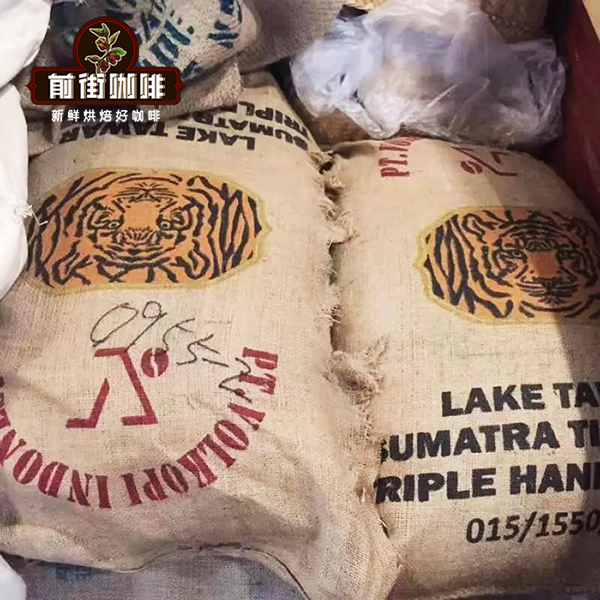
The main bean varieties of Tiger Mandheling coffee beans are Caturra and Typica. Caturra has a citrus and lemon acidity in taste, while Typica has a long finish and abundant sweetness. Overall, this Tiger Mandheling coffee bean has a relatively uniform taste and high cleanliness.
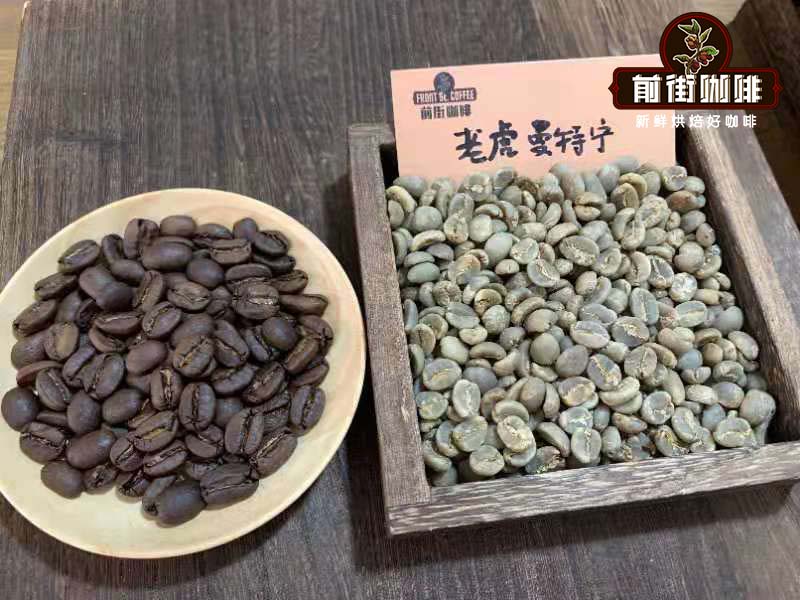
FrontStreet Coffee · Tiger Mandheling coffee beans
Region: Aceh
Altitude: 1500m
Variety: Typica, Caturra, Sidikalong
Aged coffee beans do not mean green coffee beans left casually for a long time; that is absolutely not allowed. Because green coffee beans will also spoil if left for a long time. Green coffee beans will change from fresh green to white, then to yellow, and finally become tasteless, or even grow bugs. Like aged wine, green beans must undergo proper processing and long-term storage before they can be called truly aged coffee.
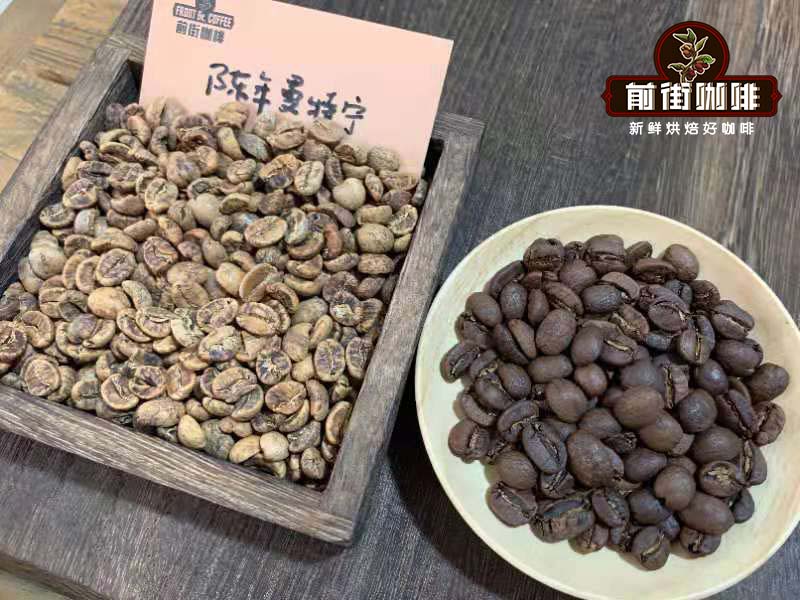
Region: Sumatra
Variety: Typica
Processing method: wet-hulled
What are aged coffee beans? Green beans are made to age naturally by extending storage time (usually 2~3 years). These changes include weakened acidity, color change, and thickened bean texture. The storage environment must be cool and ventilated. Because the storage environment is darker and the time is longer, aged coffee always tends to carry complex flavors such as a moldy smell or what is commonly called burlap or leather.
FrontStreet Coffee · Indonesian Mandheling coffee beans brewing sharing
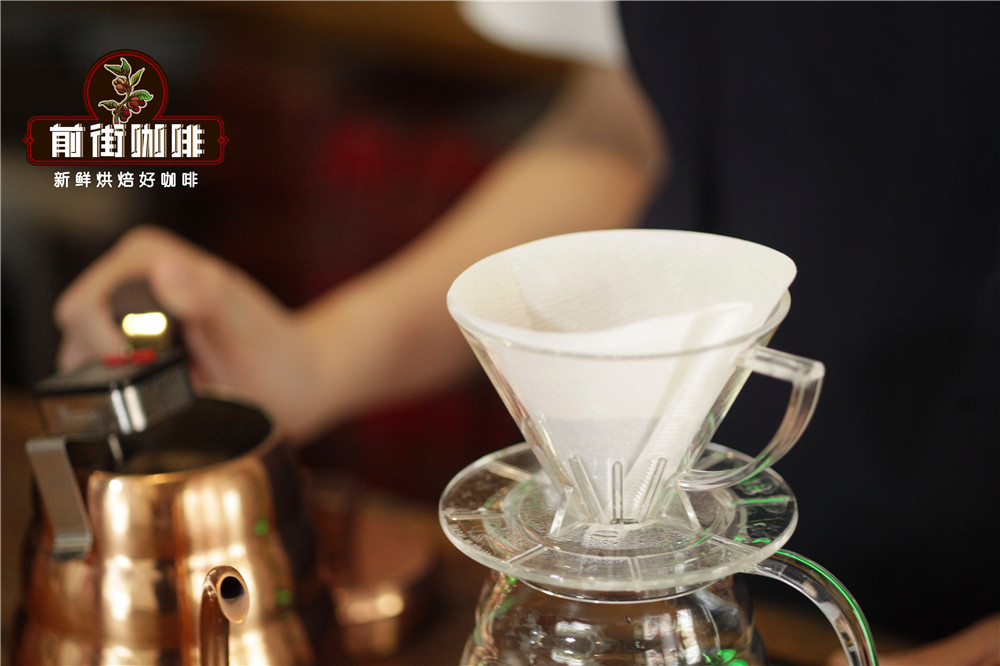
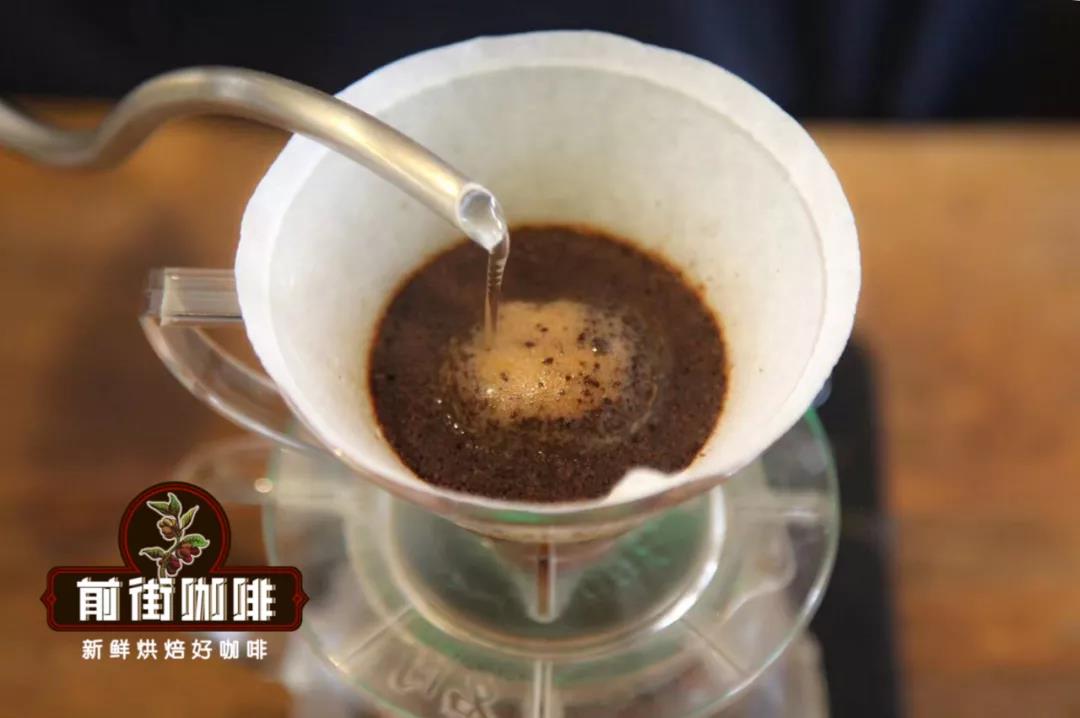
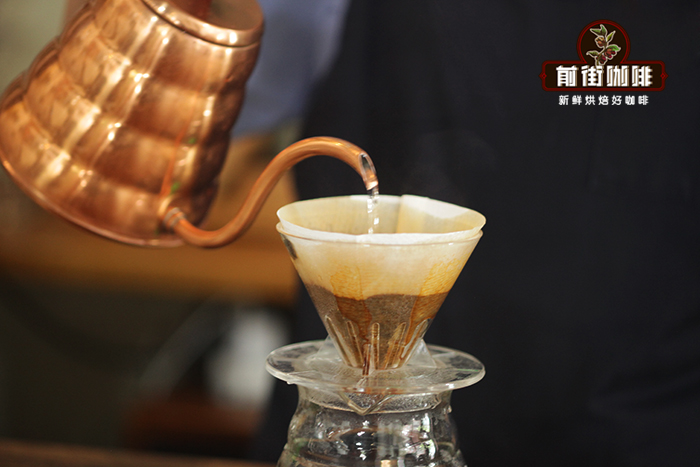
For the grind size when brewing Mandheling coffee beans, it should be slightly coarser than the grind size for light-roast coffee beans (0.85mm sieve pass rate 80%, ek43s around setting 10). This is different from light-roast coffee beans, which need to highlight the producing region and increase layering. FrontStreet Coffee hopes customers will get a fuller, more full-bodied mouthfeel, so it chose the KONO dripper for brewing. In terms of dose, FrontStreet Coffee used 15 grams of coffee beans, with a coffee-to-water ratio of 1:15, that is, pouring 225 grams of water; for water temperature, it used 88°C water, hoping to reduce the bitterness brought by high-temperature extraction.
OK, after introducing Mandheling, next let us talk aboutJamaican Blue Mountain coffee beans.
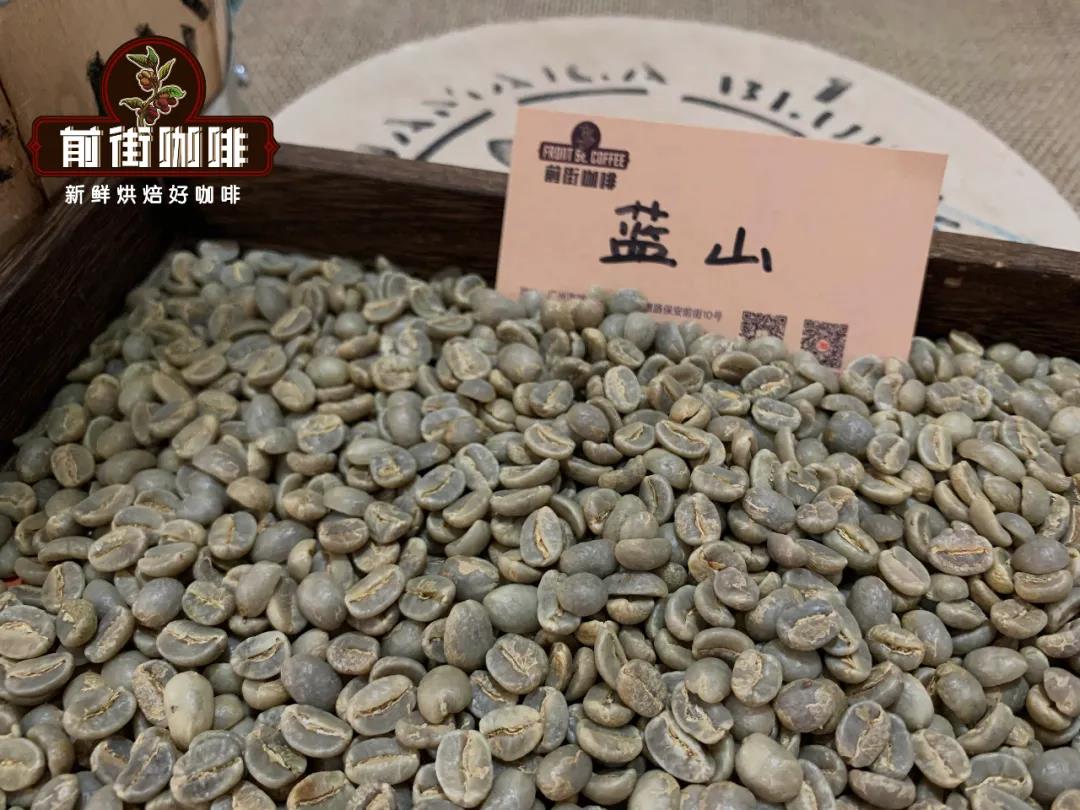
Blue Mountain coffee is widely renowned. Some people like its clean mouthfeel, and some like its chocolate notes. The Blue Mountain producing region has been growing coffee since the 18th century and has always planted the Typica coffee variety (of course, in recent years Jamaica has introduced Yirgacheffe coffee varieties and Panama Geisha varieties for research experiments), and the authentic Blue Mountain No. 1 coffee beans we can taste are 100% Typica coffee variety.
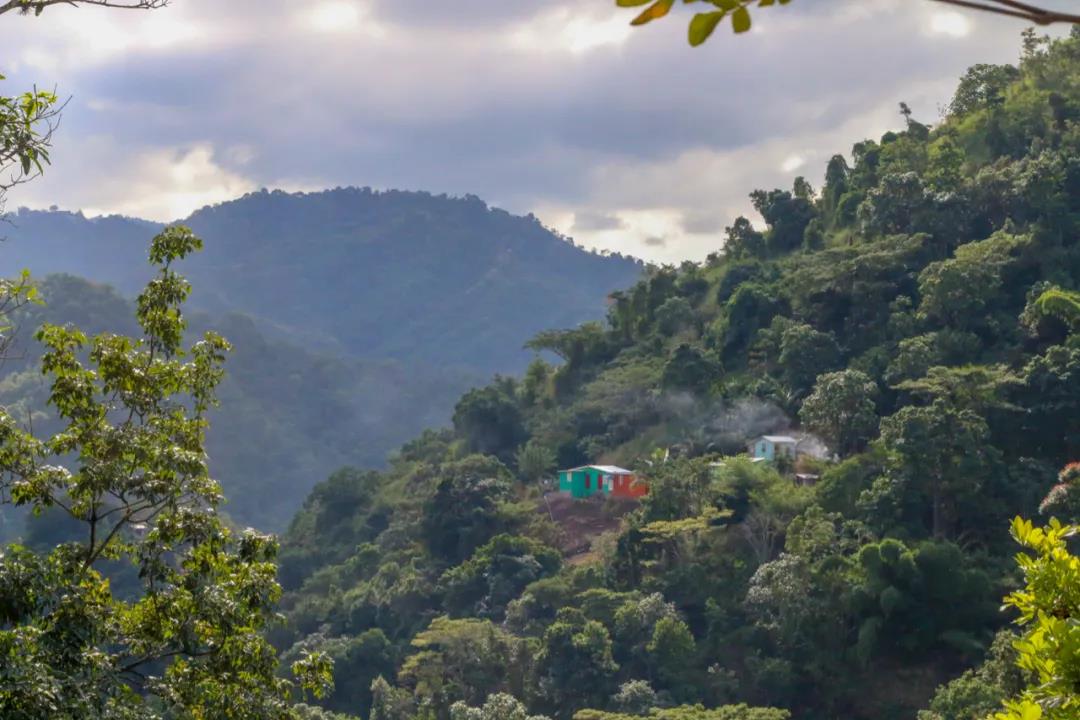
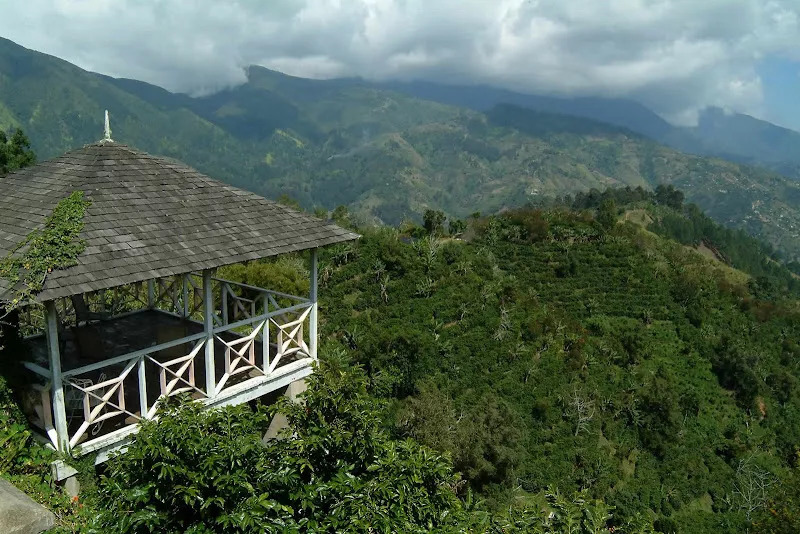
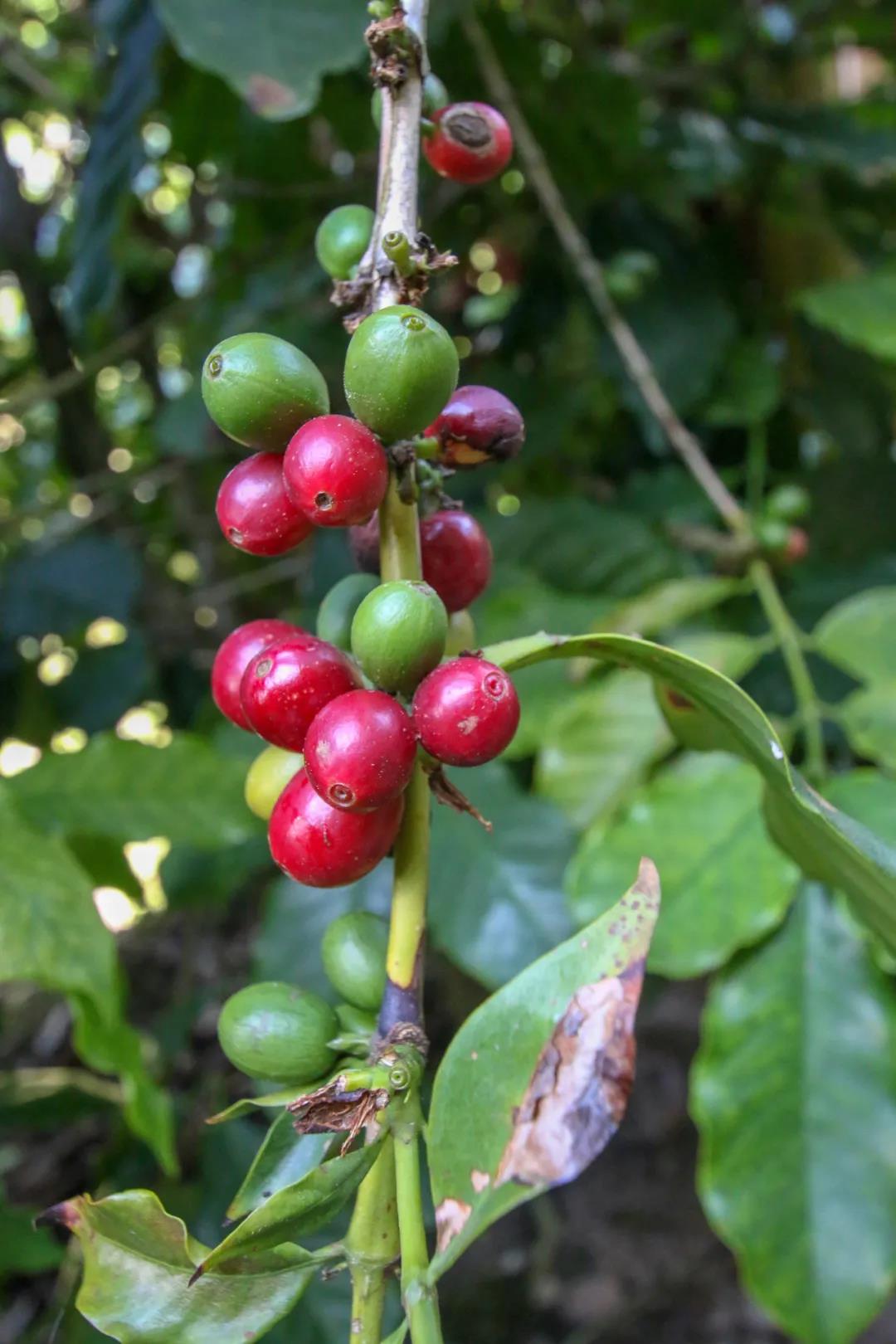
What flavor do Jamaican Blue Mountain coffee beans have?
The excellent quality of Blue Mountain coffee beans creates their clean mouthfeel. In the era of medium-dark roasting, Blue Mountain coffee beans often show a balance of sweetness, acidity, and bitterness, with slight nutty and chocolate notes, and the finish after drinking is very comfortable. It represents the highest quality of coffee and is truly the king of coffee.
There often appears on the market a kind of Blue Mountain-flavored blended coffee. The so-called “Blue Mountain blend” actually has nothing to do with Blue Mountain.
The reason this situation arises is that early Blue Mountain coffee was rare and expensive. Operators blended beans and used dark roasting based on the Blue Mountain flavor profile to create coffee close to Blue Mountain's taste. Therefore, conscientious merchants in domestic and foreign markets will tell customers that these are composite Blue Mountain, blended Blue Mountain, Blue Mountain flavor, or Blue Mountain-style coffee beans, and are not真正的 Blue Mountain coffee. According to official CIB information, the first record of mainland China importing Blue Mountain coffee was in 2011, when the Hangzhou Coffee and Western Food Association imported 1000 barrels of Blue Mountain coffee (specification: 70kg).
Therefore, since 2011, there has been Blue Mountain coffee through proper channels in China, and the era of Japan's monopoly on Blue Mountain has ended.
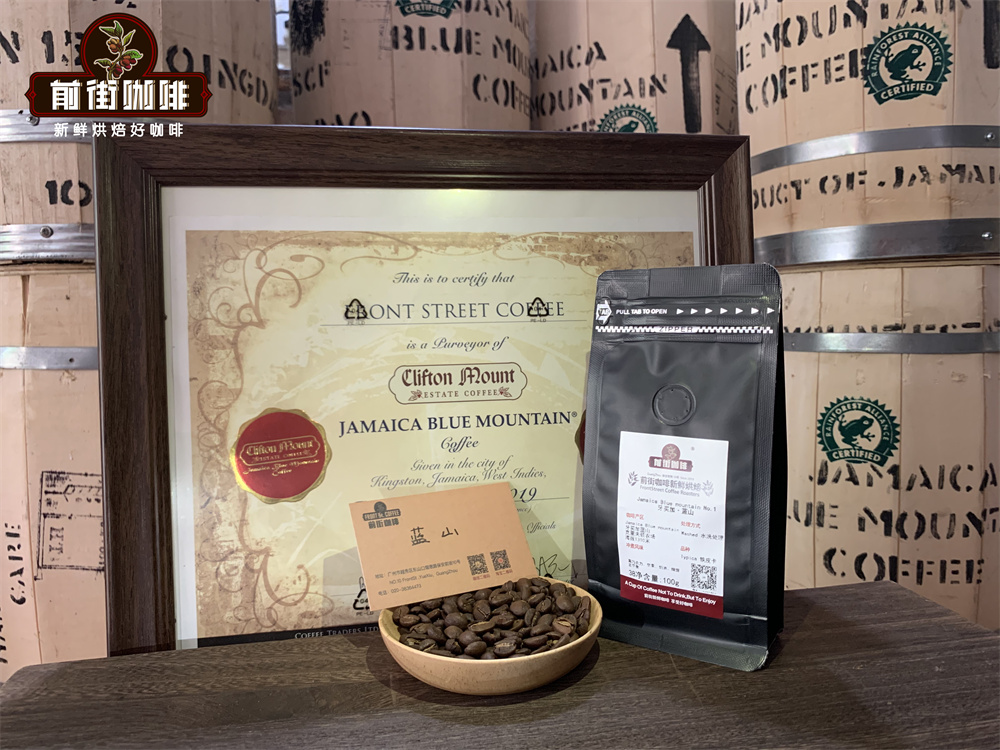
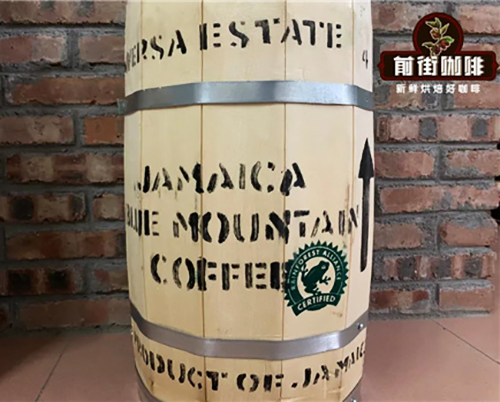
As for how to distinguish authentic Blue Mountain from fake, some people may teach you to distinguish by bean appearance, aroma, and taste. But I believe most people do not have a deep understanding of coffee beans. Therefore, to determine whether it is real Blue Mountain, you only need to ask the seller to provide the Blue Mountain coffee certificate and Blue Mountain barrel to verify authenticity.
There are three types of certificates:
1/ Quality certification certificate issued by the Jamaica Coffee Board.
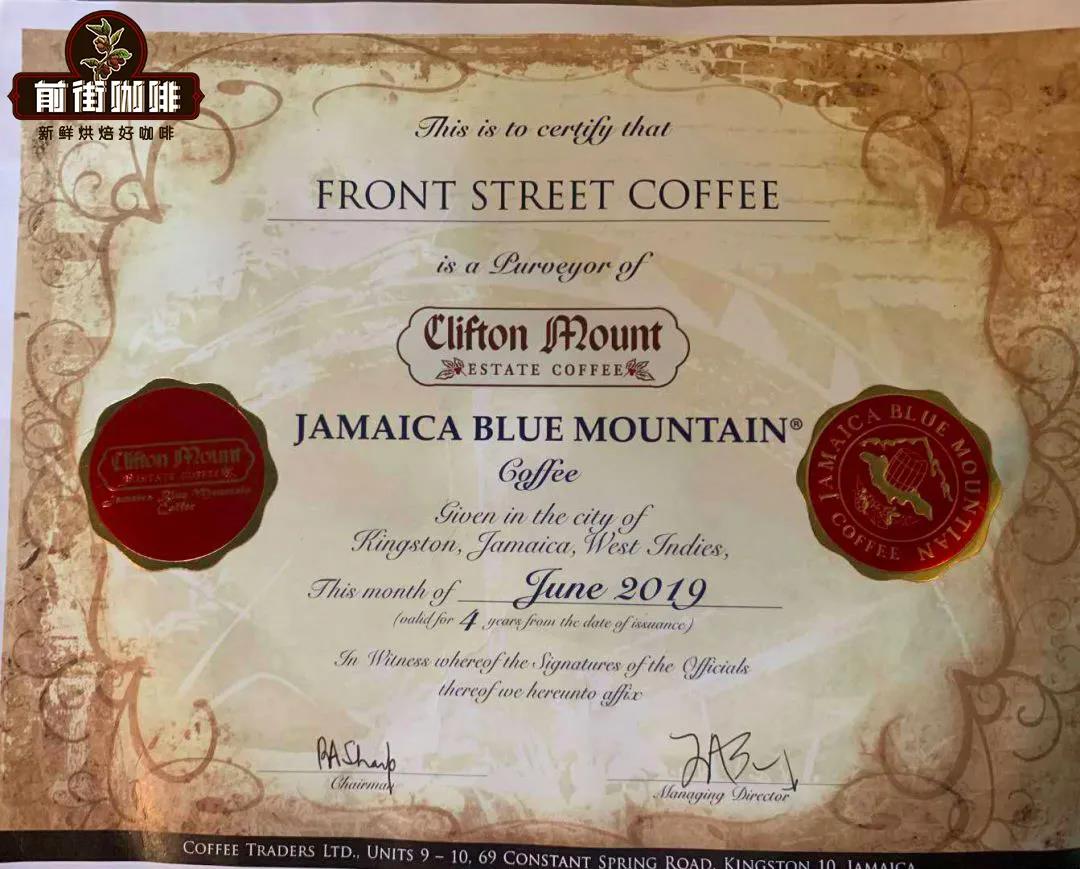
2/ Authorized sales certificate issued by the Blue Mountain coffee bean manufacturer.
(Blue Mountain coffee is distributed by 4 processing producers licensed by the Jamaican government, and exported by 16 licensed exporters)
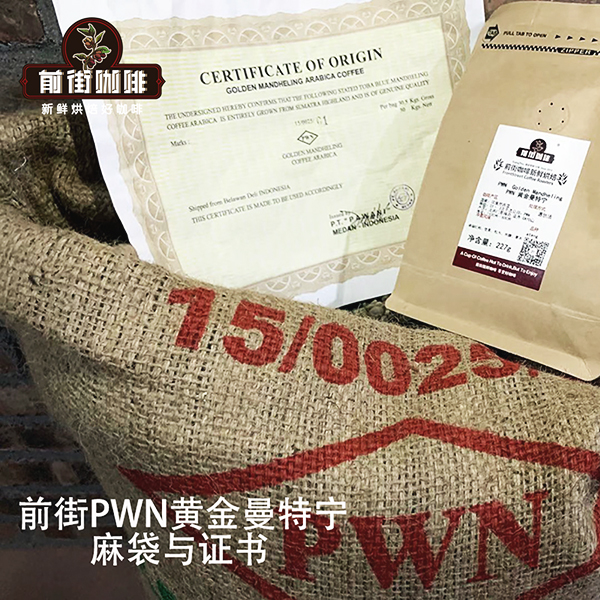
3/ Certificate of origin for Jamaican Blue Mountain coffee beans.
FrontStreet Coffee's Blue Mountain coffee beans are Blue Mountain coffee beans exported by the export company designated by the National Coffee Board, packed in wooden barrels as green beans, and certified by Rainforest Alliance.
FrontStreet Coffee · Jamaican Blue Mountain coffee bean processing methods
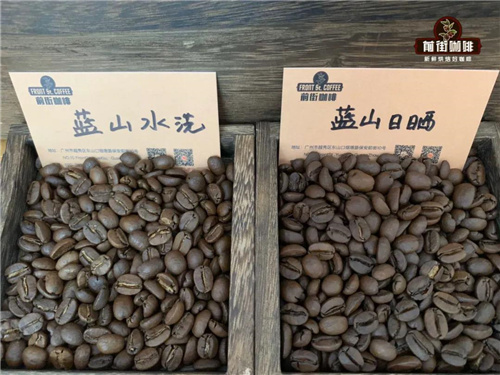
In the past, Blue Mountain coffee was only washed, but since last year they began trying natural sun-drying to process Blue Mountain coffee fruit. This year FrontStreet Coffee also had the chance to glimpse the appearance of naturally processed Blue Mountain.
In washed processing, machines are first used to remove the skin and pulp, then fermentation is used to remove the mucilage layer. After fermentation, the coffee beans are dried to a moisture content of about 12%, and finally stored until export. In natural processing, the coffee fruit is directly dried, reducing the moisture content to about 11%, and then the pulp and other parts are removed.
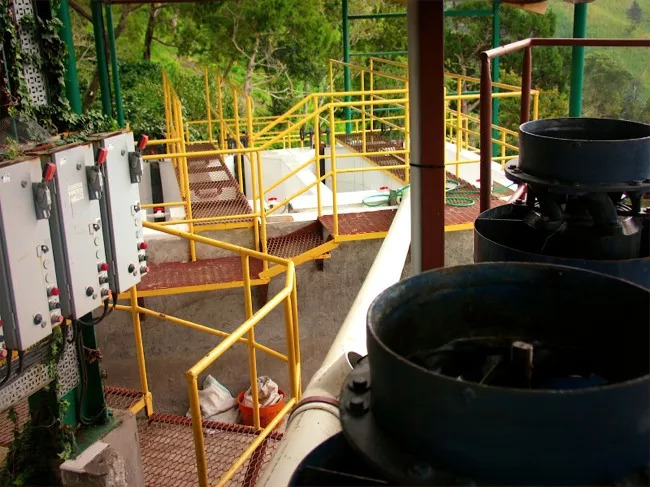
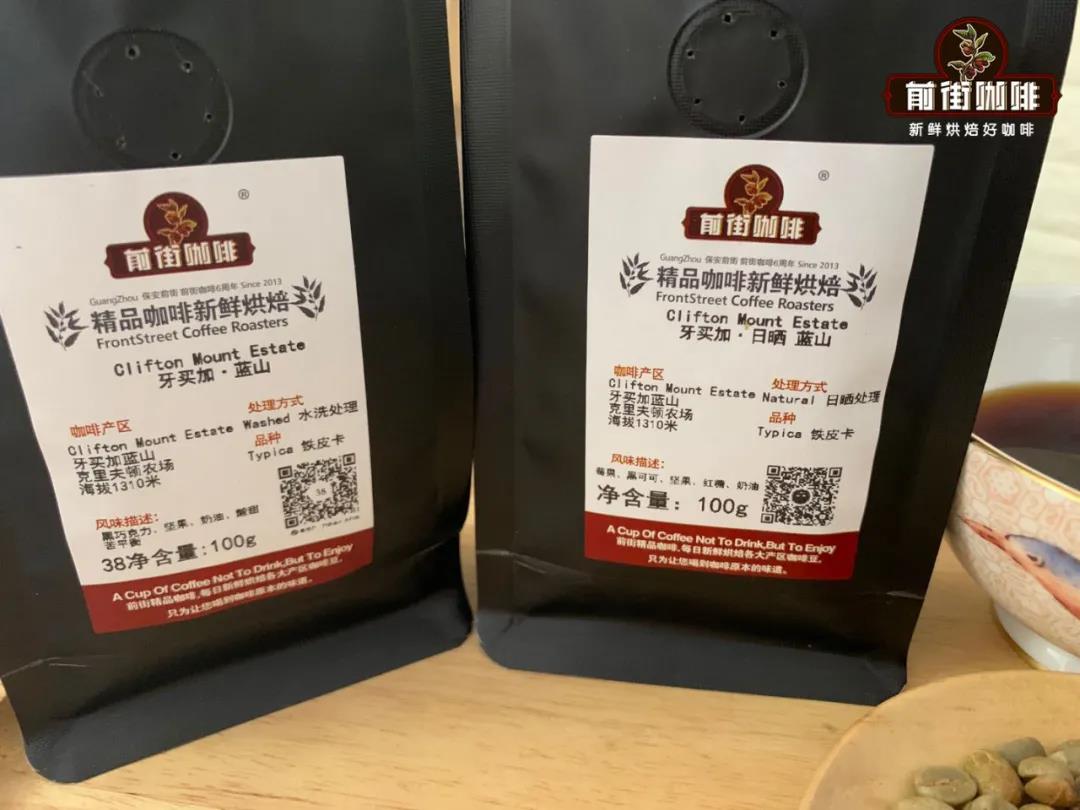
Before 2019, Clifton Farm's Blue Mountain coffee had always used the washed method to process green coffee beans. During processing, the skin and pulp are first removed, and the beans are fermented for 12~18 hours. Then the fermented beans are placed in a pool and moved back and forth, using the friction of the beans and the force of flowing water to wash the coffee beans until smooth and clean. After washing, the coffee beans are still inside the parchment layer, with a moisture content of 50%, and must be dried to reduce the moisture content to 12-14%; otherwise they will continue to ferment and become moldy and spoiled.
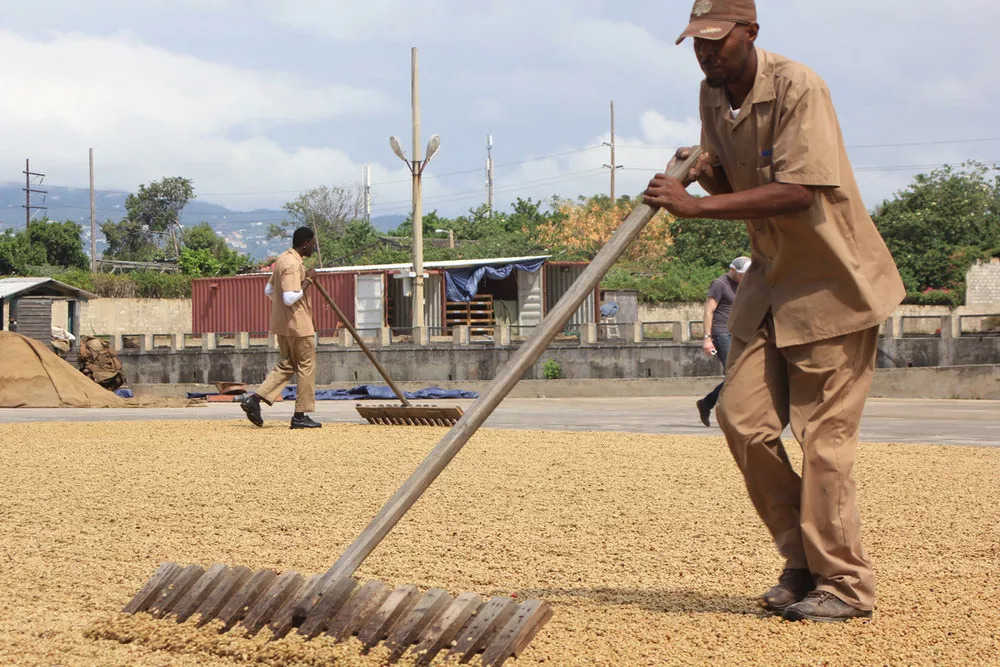
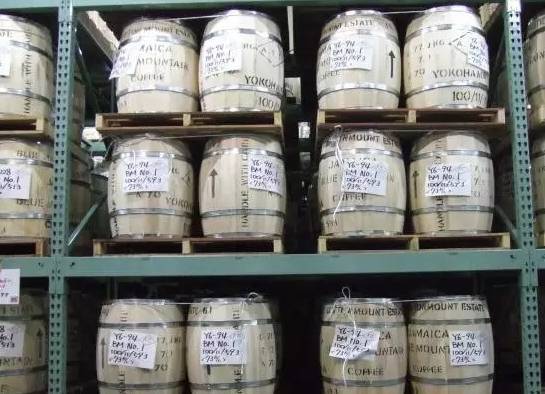
After that, the coffee beans are sorted and then stored in dedicated warehouses. The washed processing method ensures that Blue Mountain coffee has a rich aroma and a balanced mouthfeel, without any one taste being prominent or lacking. In 2019, Clifton Farm broke through the original fixed model and used natural processing for the first time. Influenced by the market, Blue Mountain coffee conducted natural processing trials in 2019, and in 2020 began exporting small batches of naturally processed Blue Mountain for the first time.
For FrontStreet, this naturally processed Blue Mountain coffee, because changing the processing method is equivalent to changing Blue Mountain's inherent flavor structure, whenever FrontStreet Coffee introduces coffee beans from a certain producing region to customers, it first recommends washed coffee beans, precisely because washing best represents the flavor of that producing region.
Of course, Blue Mountain coffee adopting natural processing is more about following market development.
FrontStreet Coffee · Washed Jamaican Blue Mountain No. 1 coffee beans brewing sharing
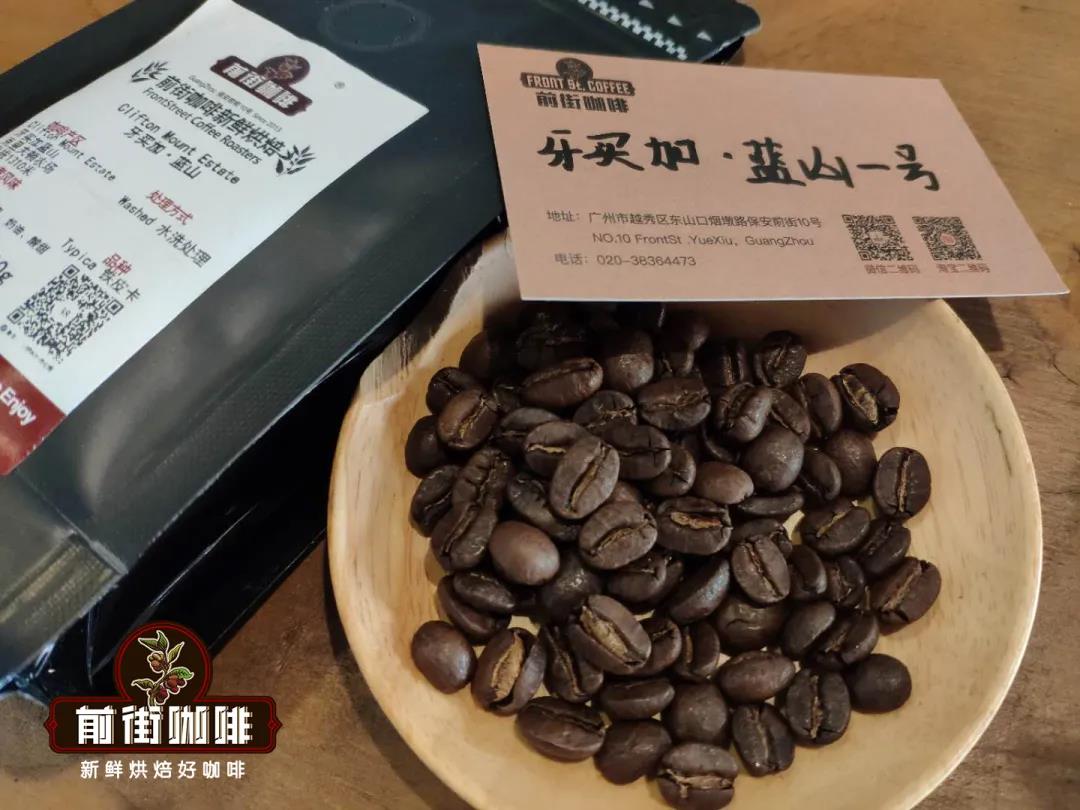
FrontStreet Coffee · Jamaica Blue Mountain No. 1
Region: Jamaica Blue Mountain producing region
Farm: Clifton
Altitude: 1310 meters
Variety: Typica
Processing method: washed
The coffee-to-water ratio used by FrontStreet is 1:15, and the grind size is No. 20 standard with a 75% pass rate. FrontStreet hopes to highlight the characteristics of Blue Mountain coffee: balance, body, and soft fruit acidity; for water temperature, it used 88°C water. In choosing the dripper, the first considerations are slow-flow devices such as the KONO dripper, Kalita trapezoid dripper, and flannel.
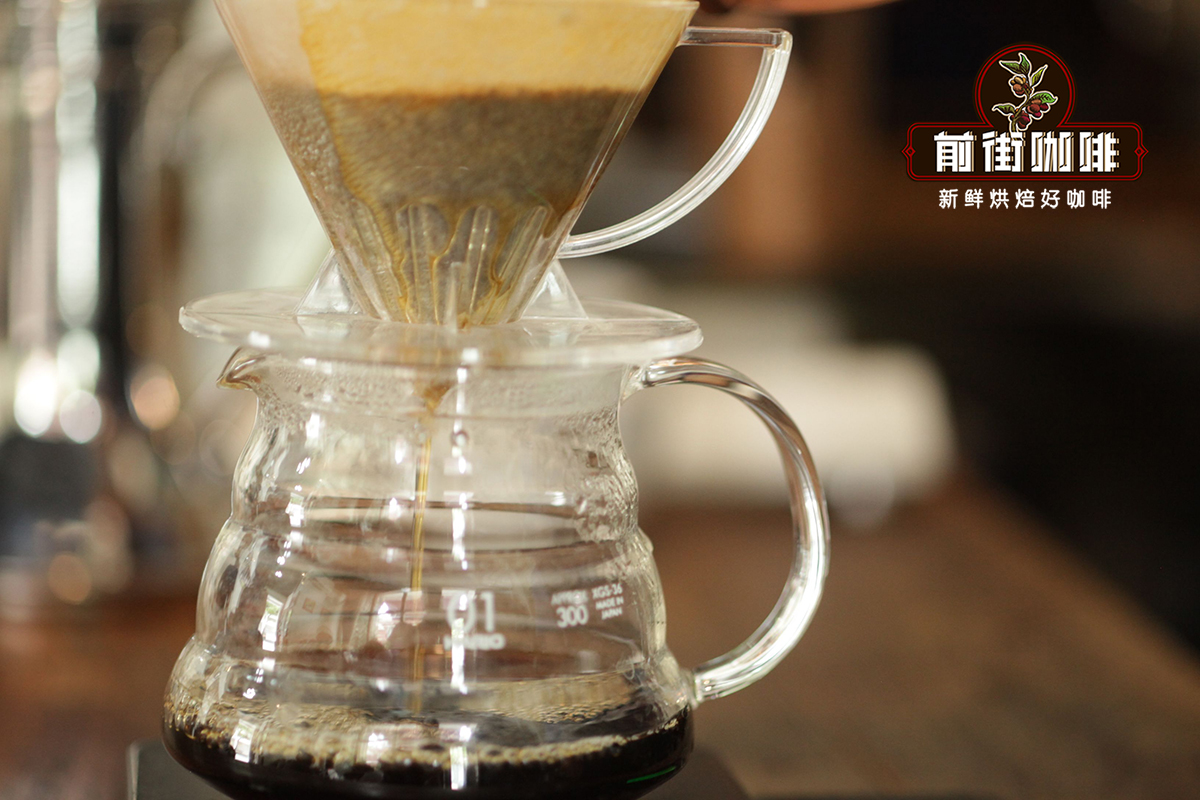
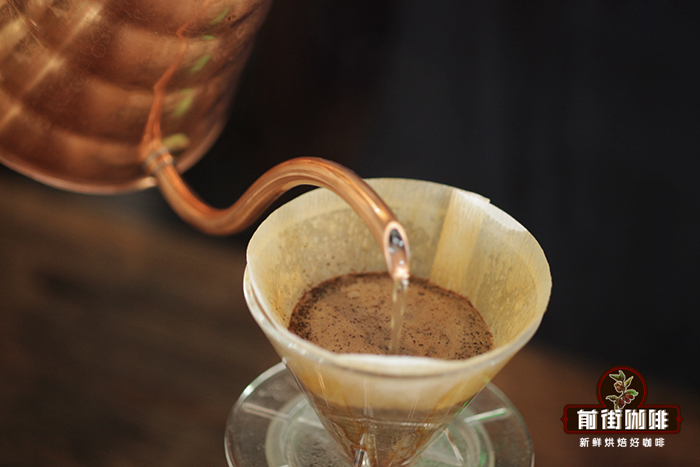
FrontStreet Coffee uses staged extraction: bloom with 30 grams of water for 30 seconds, pour in a small stream in a circular motion to 125 grams and then pause, and when the water level drops and is about to expose the coffee bed, continue pouring to 230 grams and stop. When the water level drops and is about to expose the coffee bed, remove the dripper. (Timing starts at the beginning of blooming.) The extraction time is 2'00".
The taste is very clean, complex, very mild, chocolate-sweet, with very strong body. The flavor is rich and mellow; the coffee's sweetness, acidity, and bitterness are perfectly balanced, with no bitterness at all, only moderate and perfect acidity, and a long fruity finish.
FrontStreet Coffee · Naturally processed Blue Mountain coffee beans · Brewed flavor
Slight berry acidity, reminiscent of smoked plum and mulberry, overall balanced, with black cocoa and nutty flavors, carrying a slight fermented sensation and smoky sensation.
For more coffee bean information, please follow Coffee Workshop (WeChat official account cafe_style)
For professional coffee knowledge exchange, please add WeChat ID kaixinguoguo0925

Light Roast Pour-Over Floral Coffee Beans Recommendation: Qianjie Yirgacheffe Gedeo Dingding, Qianjie Panama Hacienda La Esmeralda Green Label Geisha Coffee Beans, QianjiePanama Butterfly Coffee Beans
Daily medium-light roast Yirgacheffe pour-over floral coffee bean recommendation, Qianjie Yirgacheffe Guddina, light roast brings the signature white floral notesAromatic, with lemon-citrus fruit notes and a refreshing floral tea note; bright and crisp on the palate. Great value and an ideal entry-level pour-over coffee with floral and fruity notesAn unrivalled choice.
Moka pot, home espresso, and espresso-based milk drinks like latte — recommended beans: Qianjie Classic Espresso Blend, using BrazilianWest, with Mandheling Arabica and a small amount of Vietnamese Robusta fully blended, delivering a rich and outstanding espressocrema; overall style is rich and memorable. Qianjie Brazil Queen's Estate coffee beans and Qianjie Classic Espresso Blend coffee beans are both mochaA highly recommended option for pot-style espresso machines.
Fruity-floral signature espresso latte bean recommendation: Qianjie Strawberry Candy espresso blend, featuring strawberry gummy and rose aromas,Full-bodied sweetness with a grape and almond finish; especially stunning as an iced latte. Made from Costa Rican honey-process beans, PanamaBlended from Panama Geisha coffee beans and select beans from Colombia's Huila region. Not only does it overturn traditional espresso flavor, the cremaalso performs well, with impressive showings in creative specialty drinks.
Now available on Taobao store「 Qianjie Coffee 」To purchase the above coffee beans, Qianjie Coffee offers dozens of selected single-origin pour-over and espresso coffee beans from around the world. Qianjie CoffeeQianjie Coffee is a veteran specialty coffee roaster; beans are freshly roasted within 5 days, with consistent quality and highly competitive pricesGreat value, ships within 24 hours. Qianjie Coffee is recommended by many coffee lovers and platforms.
Taobao Qianjie Coffee Link: https://qianjiecoffee.taobao.com
Or search our shop directly on Taobao 「Qianjie Coffee」
Qianjie Coffee Store Address: 315 Donghuadong Road, Yuexiu District, Guangzhou

Site Recommendations: 耶加雪菲 花魁咖啡 瑰夏咖啡 波旁咖啡 蓝山咖啡 天堂鸟咖啡豆 曼特宁咖啡豆 PWN黄金曼特宁 星巴克菜单 咖啡豆种类
Please indicate the source when reprinting.
2017-10-27 11:19:53
