The sourness that hits the palate the moment coffee enters the mouth often puzzles those new to specialty coffee: is it the bright layers brought by fruit acids, or is something wrong with the extraction or the state of the beans? The source of sourness involves the coffee bean variety, processing method, and roast level, while good acidity and bad acidity each have their own sensory characteristics, which can be distinguished by the direction of aroma, sweetness, and finish.
For professional coffee knowledge exchange and more coffee bean information, please follow Coffee Workshop (WeChat official account: cafe_style)
For more specialty coffee beans, please add the personal WeChat of FrontStreet Coffee, WeChat ID: qjcoffeex
Some people think that the sourness in coffee is a negative flavor, a sign that the coffee is bad/stale.

Some people think that sour coffee is a sign of good-quality coffee, because you can taste the uplifting flavors released by floral notes, fruits, and various sugars.

The sourness in coffee can be a plus or a minus. In daily life, how do we judge whether the sourness we taste in coffee is good or bad?
Why is coffee sour?
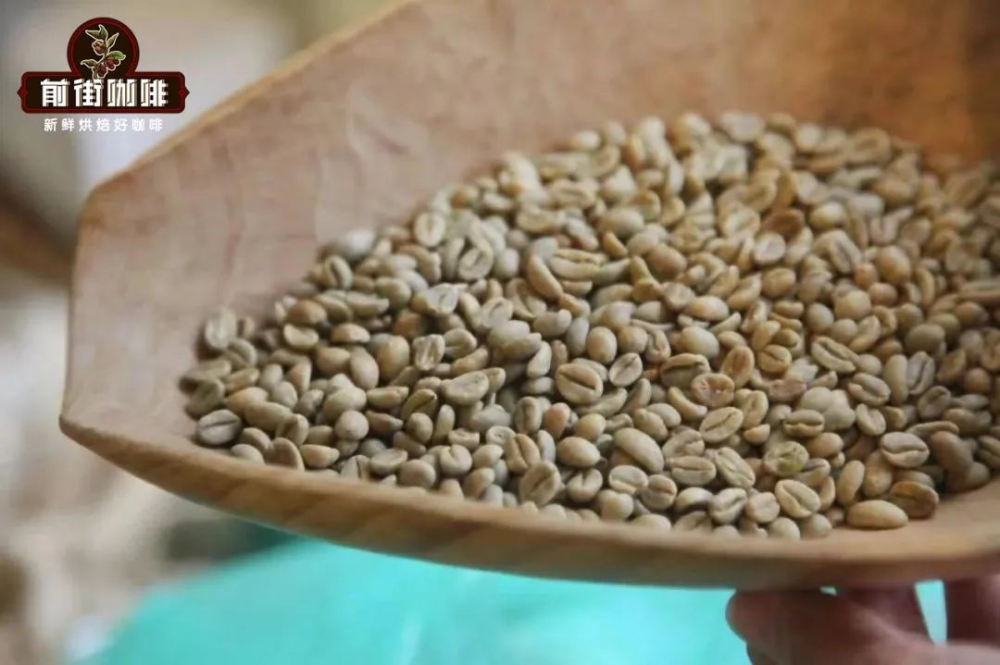
Green coffee beans themselves are rich in organic acids, but after high-temperature roasting many acids gradually break down/disappear. Therefore, the organic acids remaining in roasted coffee beans are only chlorogenic acid, quinic acid, citric acid, malic acid, phosphoric acid, acetic acid, and lactic acid.
Among them, chlorogenic acid cannot dissolve in water, so the taste buds cannot detect sourness; it only leaves a rough sensation on the tongue. Quinic acid is formed by the degradation of chlorogenic acid during roasting, has no volatility, and tastes bitter.
"So does that mean the sourness we can taste in coffee is determined by citric acid, malic acid, phosphoric acid, acetic acid, and lactic acid?"
If this were asked in the past, FrontStreet's answer might have been "yes." However, a recent research report points out that taste buds can only identify citric acid in coffee liquid, and have a chance of identifying phosphoric acid.
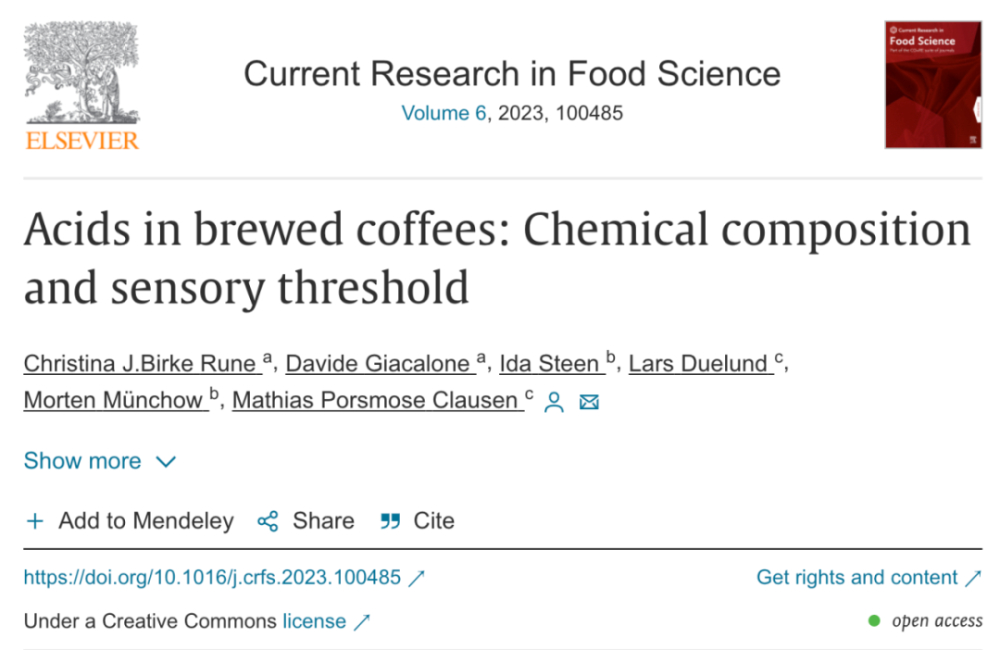
The researchers roasted coffee beans from three regions—Kenya, Bolivia, and Brazil—at light, medium, and dark levels, then recorded the concentration of various organic acids in the coffee liquid (green) by cupping, and compared it with the sensory thresholds required for the human body to identify various organic acids (orange).
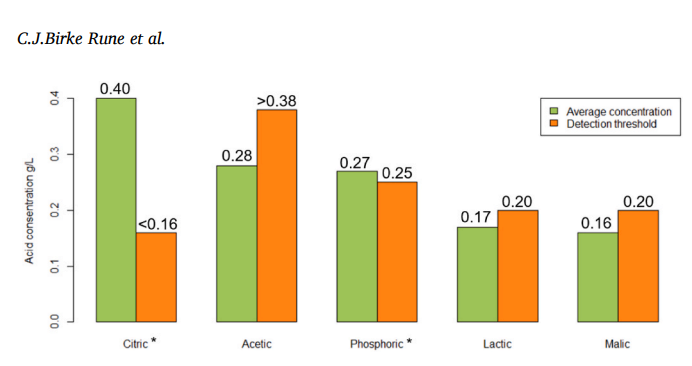
It can be seen that, apart from citric acid (Citric) and phosphoric acid (Phosphoric), the actual concentrations of acetic acid (Acetic), lactic acid (Lectic), and malic acid (Malic) present in the coffee liquid cannot be perceived by the taste buds.
What does that mean? For example, the malic acid people perceive is actually not from the malic acid in coffee, and the yakult-like flavor people taste is not brought by the easily soluble lactic acid flavor in coffee.
Then why can we perceive in coffee
sourness like apples, yakult, and so on?
According to the definition of coffee acidity in the latest SCA cupping table, the sourness other than citric acid that we can taste is more a combination of related surrounding perceptions triggered by the sourness of brewed coffee stimulating the sensory organs.
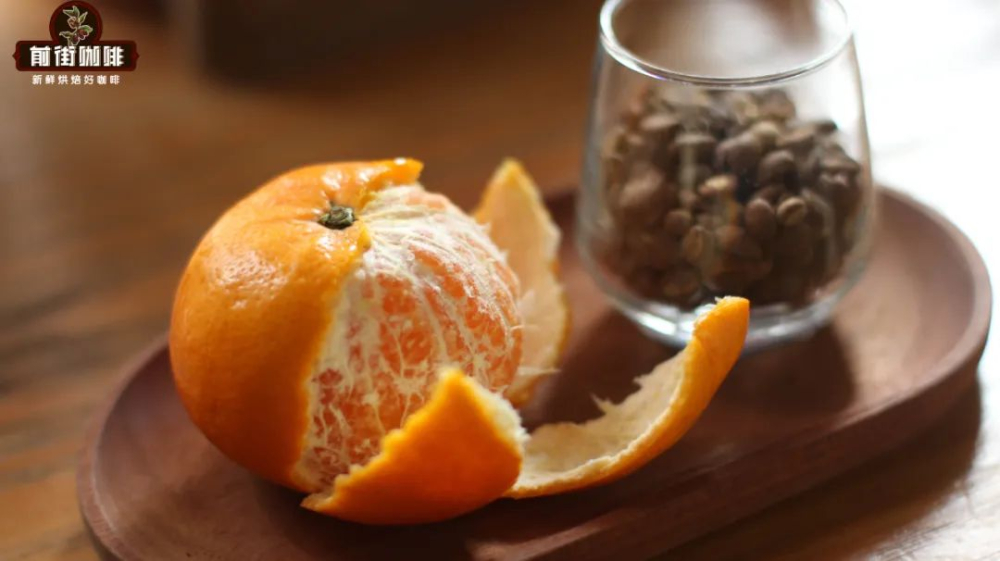
In other words, the perception of sourness is not judged by acidity alone; it is the association with food made after the senses perceive varying degrees of acidity and sweetness/other perceptions. The reason we can perceive the sourness of apples may be that the fresh sweetness feels slightly more pronounced than the acidity, so we associate it with the fresh, sweet-and-sour taste of apple juice.

Therefore, in the latest cupping table, the SCA has brought "acidity" across the boundaries of other senses, constructing the perception of acidity through taste and other perceptions, and provides two ways to describe and distinguish it: "dry acidity" and "sweet acidity."
Bad "dry acidity/astringency" refers to: the sourness of tasting herbs (generally caused by poor-quality coffee beans that are not fully ripe); the sourness of chewing grass (generally caused by coffee beans not being roasted through and being undercooked/poor quality); wine-like sourness (generally caused by coffee beans being roasted too light/not roasted through and undercooked).
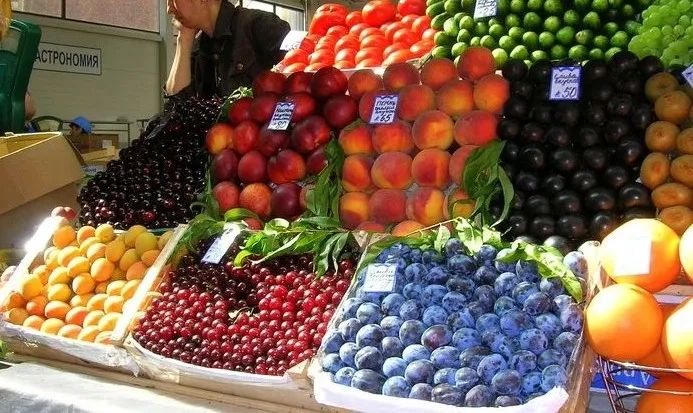
Good "sweet acidity/sweet-and-sour" refers to:acidity with a juicy, fruity, and bright sensation. Coffee that can express this kind of acidity is usually grown in high-altitude regions (above 1200 m), and the fruit is harvested only after it is ripe (high in sugar).

Light Roast Pour-Over Floral Coffee Beans Recommendation: Qianjie Yirgacheffe Gedeo Dingding, Qianjie Panama Hacienda La Esmeralda Green Label Geisha Coffee Beans, QianjiePanama Butterfly Coffee Beans
Daily medium-light roast Yirgacheffe pour-over floral coffee bean recommendation, Qianjie Yirgacheffe Guddina, light roast brings the signature white floral notesAromatic, with lemon-citrus fruit notes and a refreshing floral tea note; bright and crisp on the palate. Great value and an ideal entry-level pour-over coffee with floral and fruity notesAn unrivalled choice.
Moka pot, home espresso, and espresso-based milk drinks like latte — recommended beans: Qianjie Classic Espresso Blend, using BrazilianWest, with Mandheling Arabica and a small amount of Vietnamese Robusta fully blended, delivering a rich and outstanding espressocrema; overall style is rich and memorable. Qianjie Brazil Queen's Estate coffee beans and Qianjie Classic Espresso Blend coffee beans are both mochaA highly recommended option for pot-style espresso machines.
Fruity-floral signature espresso latte bean recommendation: Qianjie Strawberry Candy espresso blend, featuring strawberry gummy and rose aromas,Full-bodied sweetness with a grape and almond finish; especially stunning as an iced latte. Made from Costa Rican honey-process beans, PanamaBlended from Panama Geisha coffee beans and select beans from Colombia's Huila region. Not only does it overturn traditional espresso flavor, the cremaalso performs well, with impressive showings in creative specialty drinks.
Now available on Taobao store「 Qianjie Coffee 」To purchase the above coffee beans, Qianjie Coffee offers dozens of selected single-origin pour-over and espresso coffee beans from around the world. Qianjie CoffeeQianjie Coffee is a veteran specialty coffee roaster; beans are freshly roasted within 5 days, with consistent quality and highly competitive pricesGreat value, ships within 24 hours. Qianjie Coffee is recommended by many coffee lovers and platforms.
Taobao Qianjie Coffee Link: https://qianjiecoffee.taobao.com
Or search our shop directly on Taobao 「Qianjie Coffee」
Qianjie Coffee Store Address: 315 Donghuadong Road, Yuexiu District, Guangzhou

Site Recommendations: 耶加雪菲 花魁咖啡 瑰夏咖啡 波旁咖啡 蓝山咖啡 天堂鸟咖啡豆 曼特宁咖啡豆 PWN黄金曼特宁 星巴克菜单 咖啡豆种类
Please indicate the source when reprinting.
2023-05-11 17:45:12
