There is more than one way to make coffee at home—drip bags, cold brew, and instant coffee all count—but if you want complete aroma, freshly ground and freshly brewed pour-over is still the method with the best flavor expression. In terms of equipment selection, beginners will find it easier to control the water flow with a gooseneck kettle; the dripper and filter paper determine the flow rate, and a server makes it convenient to observe the extraction state; a digital scale and thermometer give each brew a basis for review. Once the equipment is complete, what truly affects the final cup is often the details such as grind size and pouring rhythm.
Professional coffee knowledge exchange. For more coffee bean information, please follow Coffee Workshop (WeChat public account: cafe_style)
How to make pour-over coffee at home?
To brew coffee at home, there are many methods, such as making pour-over coffee at home, brewing drip-bag coffee at home, or instant coffee, cold brew coffee, and so on. However, with the promotion of the specialty coffee market, making pour-over coffee at home has become a trend.
Because the experience of pour-over coffee is excellent, and it also has the best flavor among so many coffee brewing methods. This is because pour-over coffee uses freshly ground coffee beans, so the aroma is retained more completely than in drip-bag coffee. Next, FrontStreet Coffee will share how to make pour-over coffee at home.
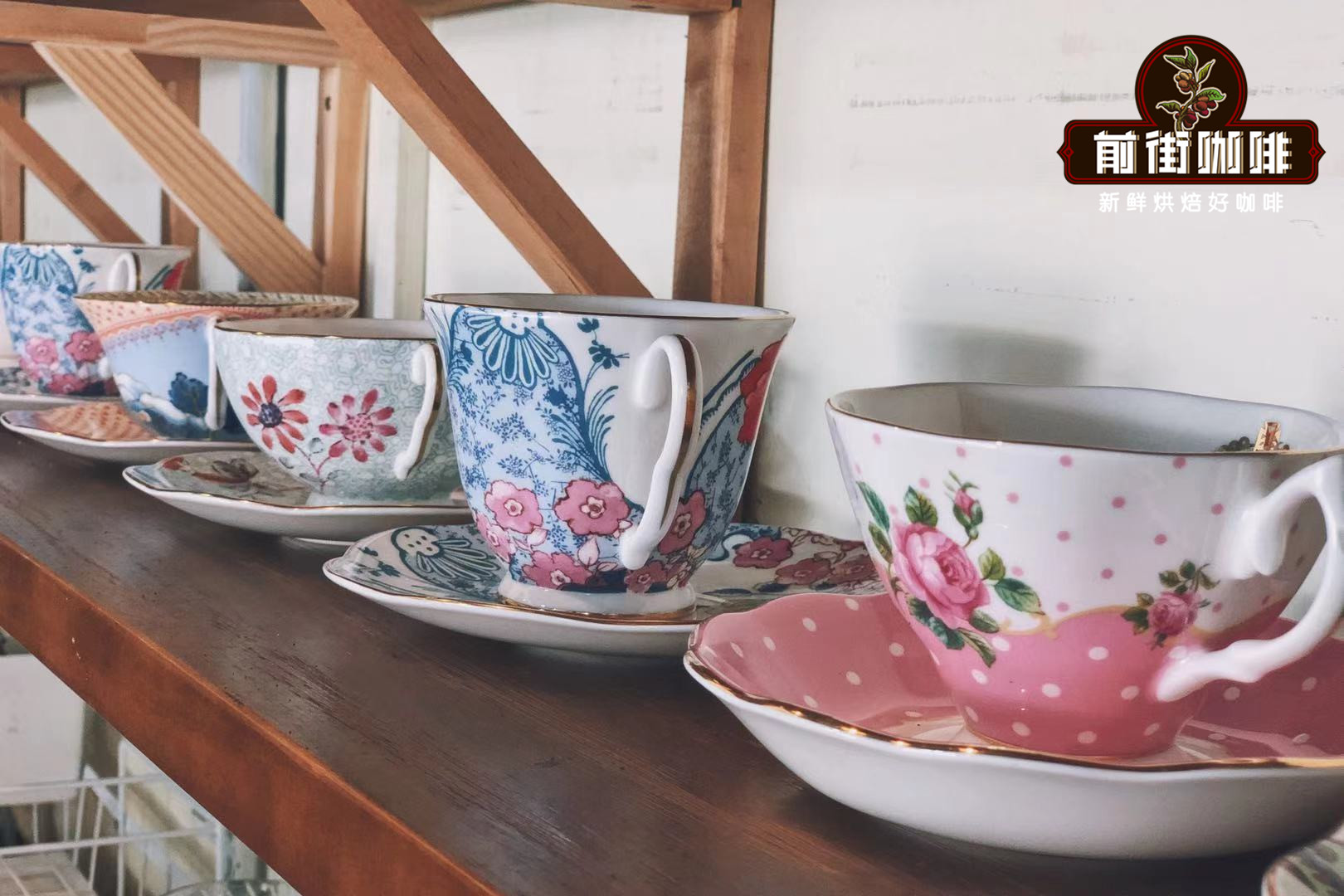
Pour-over coffee equipment
First, pour-over coffee requires preparing the equipment that will be used. Coffee enthusiasts who often come to FrontStreet Coffee to taste single-origin coffee have noticed that when FrontStreet Coffee makes pour-over coffee, it always selects fresh coffee beans, weighs out the precise number of grams with a digital scale, and then puts them into the grinder. It also uses a thermometer, pour-over kettle, dripper, filter paper, server, and so on. From this, it is clear that quite a lot of equipment needs to be prepared for pour-over coffee. So how exactly should you choose? FrontStreet Coffee will share that with everyone now.
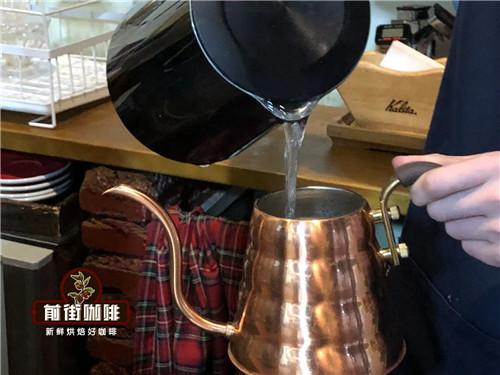
1. Pour-over kettle: There are pour-over kettles of various sizes and materials on the market, and you can choose according to your needs. What affects the brewing result more is the size of the spout, because it is related to the water flow. Beginners are generally advised to use a gooseneck kettle, which is easier to control. In addition, different pour-over kettles are suitable for different heating methods. For example, a moka pot is heated with an induction cooker or gas stove, so pay special attention when purchasing.
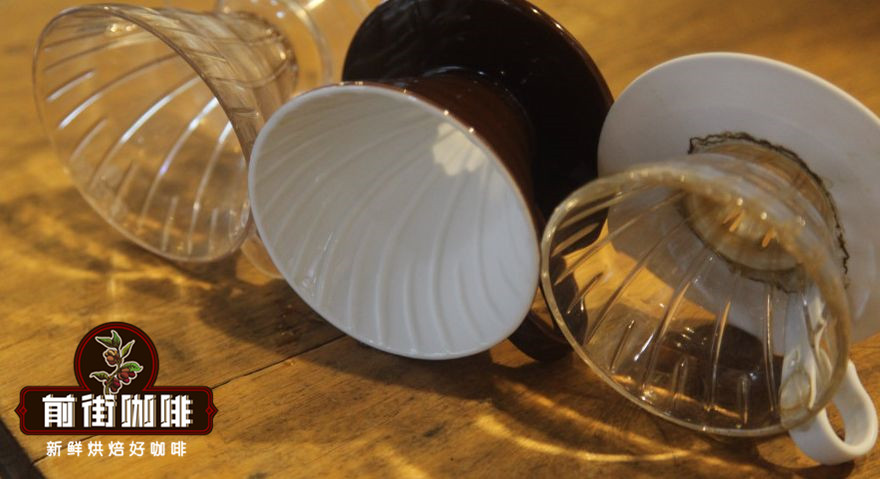
2. Dripper: Drippers also differ in size and material, and are mainly divided into three shapes: fan-shaped, cone-shaped, and wave-shaped. The size of the dripper's bottom outlet affects the flow rate of the extracted coffee, which in turn affects the coffee's flavor. A fan-shaped dripper has a small outlet and a slow flow rate, giving a fuller body; a cone-shaped dripper has a large outlet and a fast flow rate, giving a lighter body; a wave-shaped dripper has a flat bottom and, paired with special wave-shaped filter paper, produces the most even cup. More special is the metal mesh dripper, which does not need filter paper and can retain more coffee oils for a richer body, but some finer coffee grounds may not be filtered out.
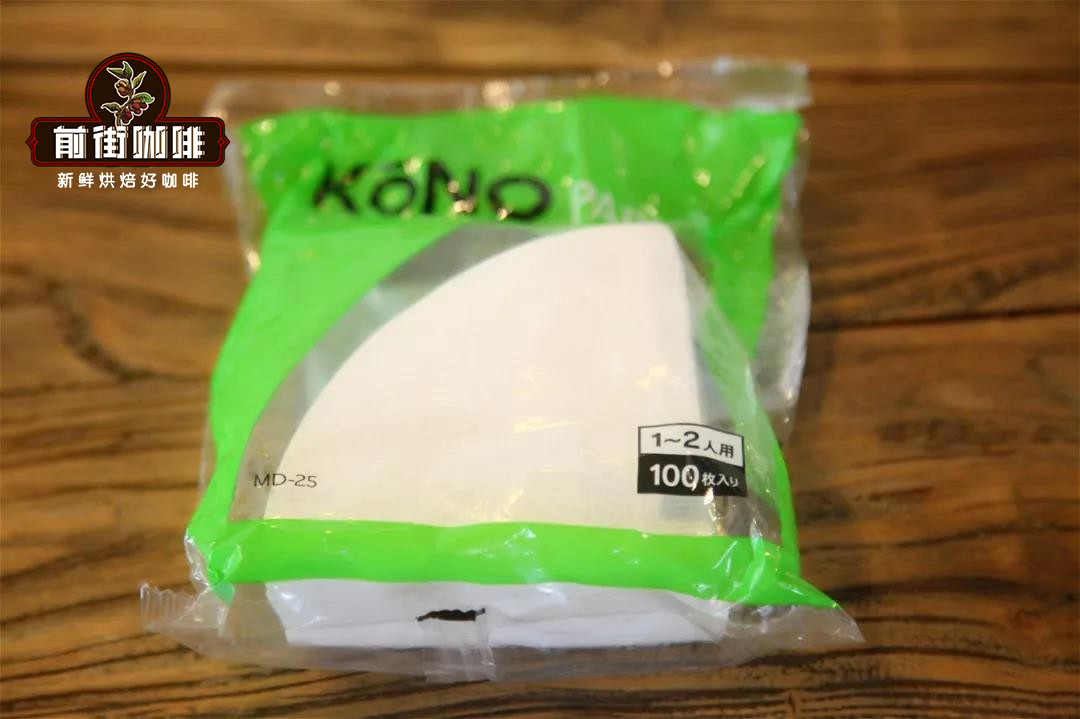
3. Filter paper: Filter paper comes in bleached and unbleached types. Bleached filter paper looks whiter, while unbleached filter paper looks closer to light brown. The role of filter paper is to use extremely dense fibers to retain the ground coffee and filter the extracted coffee into the cup. When buying filter paper, choose the corresponding filter paper according to your own dripper.
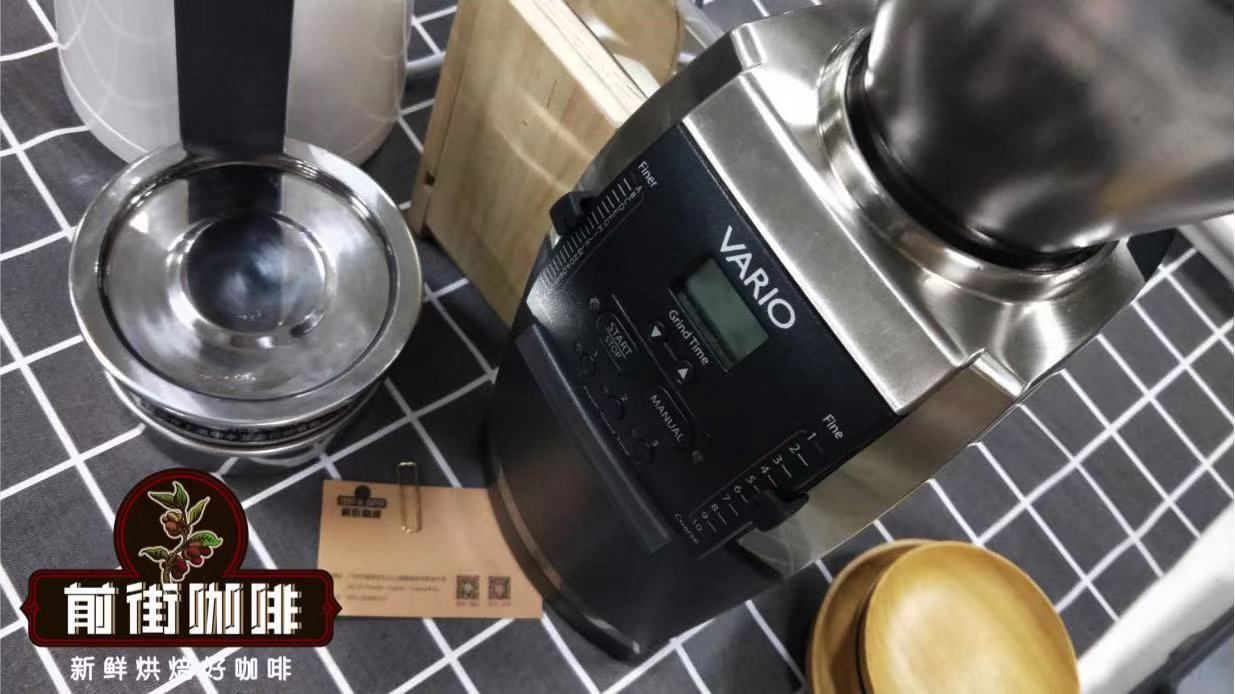
4. Coffee grinder: Good pour-over coffee needs to be paired with a good grinder. There are three types of grinders on the market.
1) Ghost tooth grinder
2) Flat burr grinder
3) Conical burr grinder
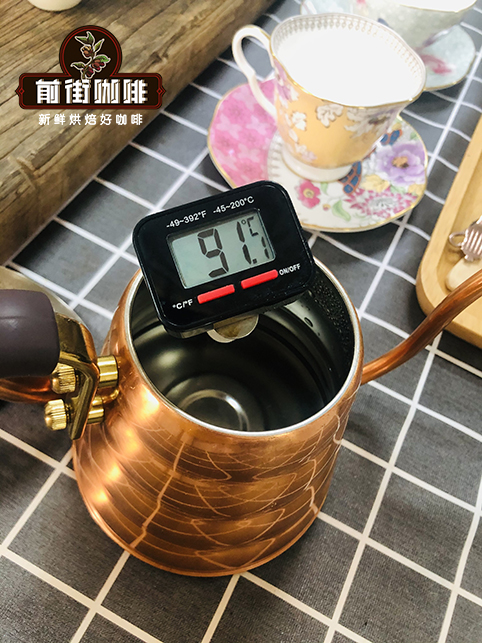
5. Thermometer
A thermometer is used to measure the coffee's water temperature. Thermometers on the market include the Tiamo thermometer, Hero thermometer, and Cafede Kona thermometer.
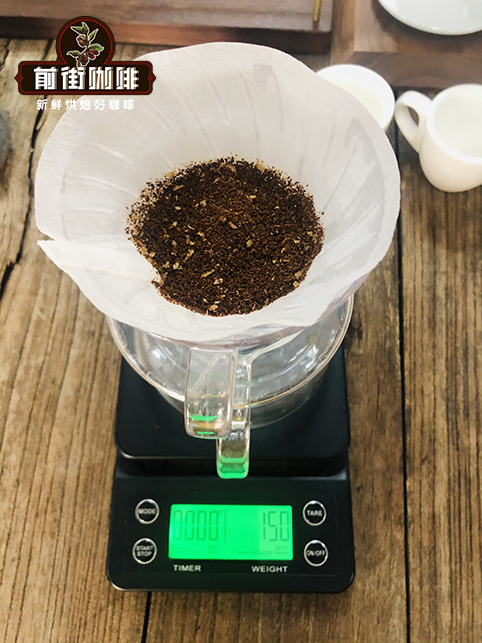
6. Digital scale
A digital scale allows us to better control the coffee-to-water ratio when brewing coffee, reduce unstable factors, and increase the margin for error. Digital scales range from several hundred yuan each to as low as several dozen yuan each, including the Acaia digital scale, Hero smart scale, and Timemore digital scale.
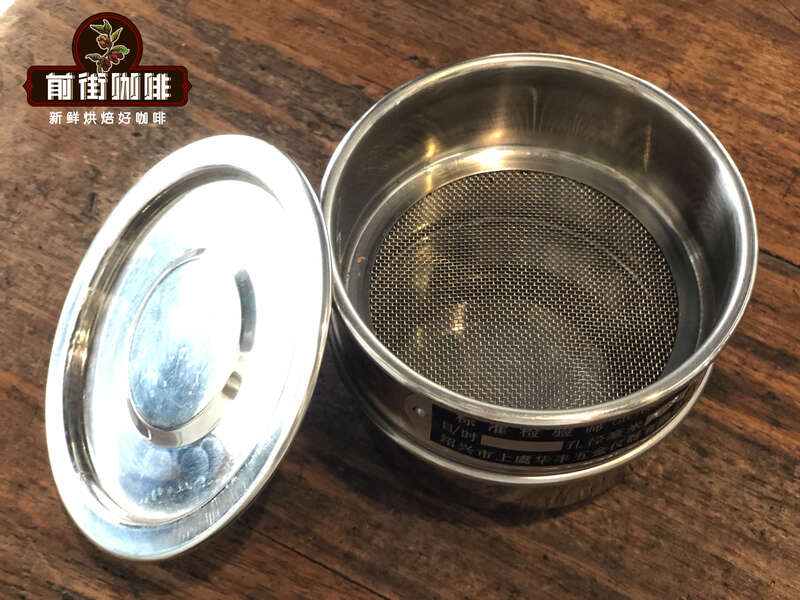
7. Coffee sieve
It is mainly used to judge the grind size. The suitable pour-over grind size differs for each type of coffee bean. Through continuous testing, FrontStreet Coffee has determined that a pour-over grind size is one where 80% passes through China standard No. 20 sieve.
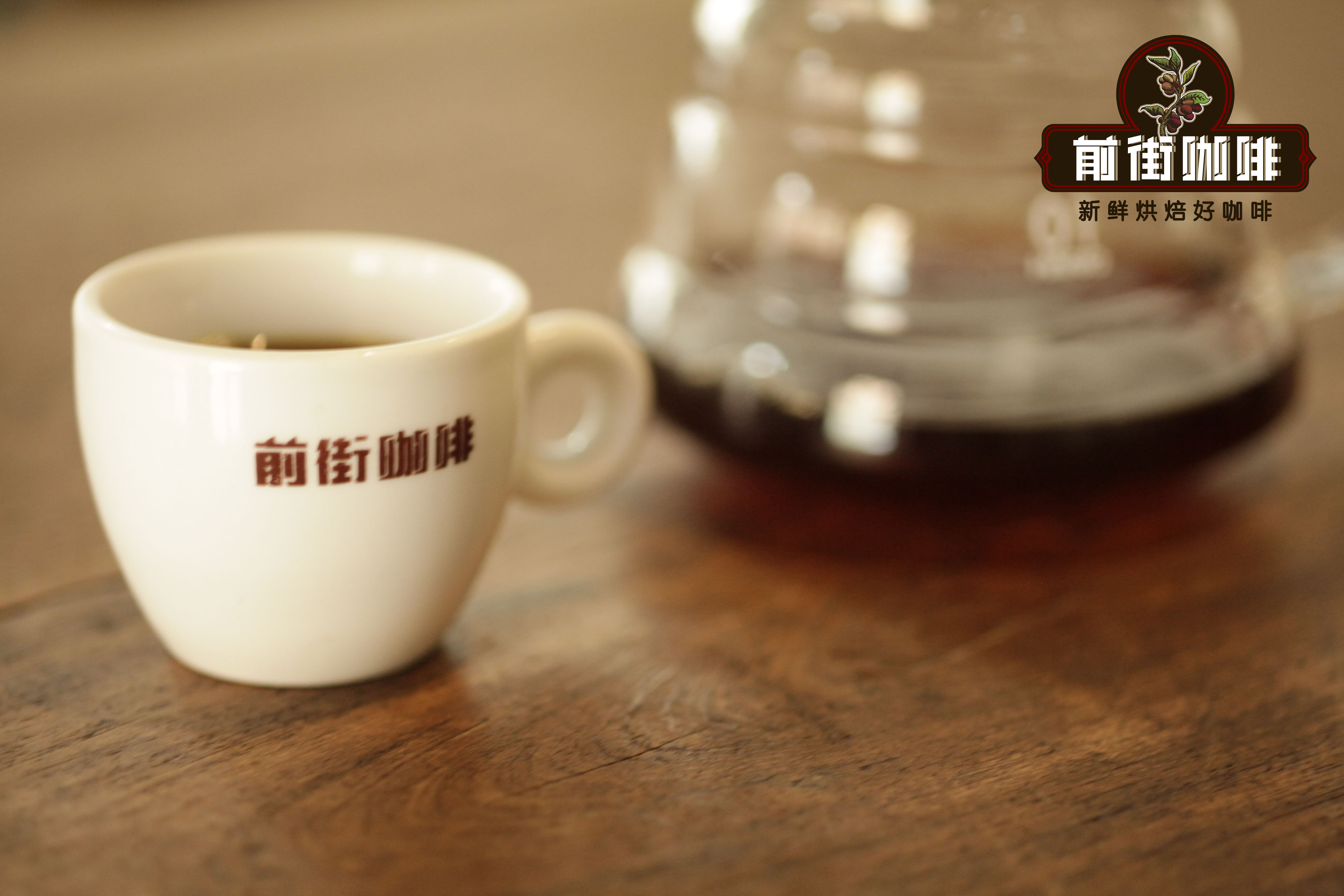
8. Server
If one person is drinking, a server is not necessary; you can drip directly into a mug. When extracting coffee for multiple people, a server is needed. With the scale markings and transparent material of the server itself, it is also easier to understand and control the extraction process, so the server is not just for dividing cups. FrontStreet Coffee recommends the HARIO V60 Cloud server and the Kalita server.
What are the detailed steps for making pour-over coffee?
Above, FrontStreet Coffee listed the equipment needed for pour-over coffee. So how exactly should they be used, and how can single-origin pour-over coffee be brewed to bring out its flavor? This mainly starts from four aspects: water temperature, grind size, coffee-to-water ratio, and brewing technique.
1. Water temperature
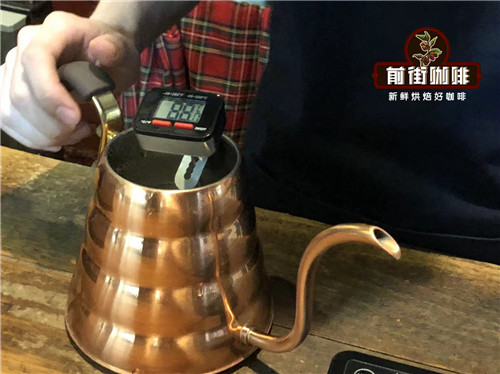
The higher the water temperature, the stronger the extraction ability, the more bitter the coffee, and the more intense the mouthfeel; the lower the water temperature, the weaker the extraction ability, the easier the coffee becomes sour, and the milder and lighter the mouthfeel. The pour-over temperature should be adjusted according to the coffee's roast level. Light and medium-light roasted beans are recommended at 90-91°C, and medium-dark roasted beans are recommended at 85-87°C. FrontStreet Coffee basically adjusts within this range. A customer once questioned this brewing temperature, so FrontStreet Coffee used Golden Mandheling coffee beans (dark roast) and brewed them at 90°C. As a result, the mouthfeel was almost "comparable" to espresso, so FrontStreet Coffee generally recommends brewing Mandheling coffee beans at 86-88°C.
2. Grind size
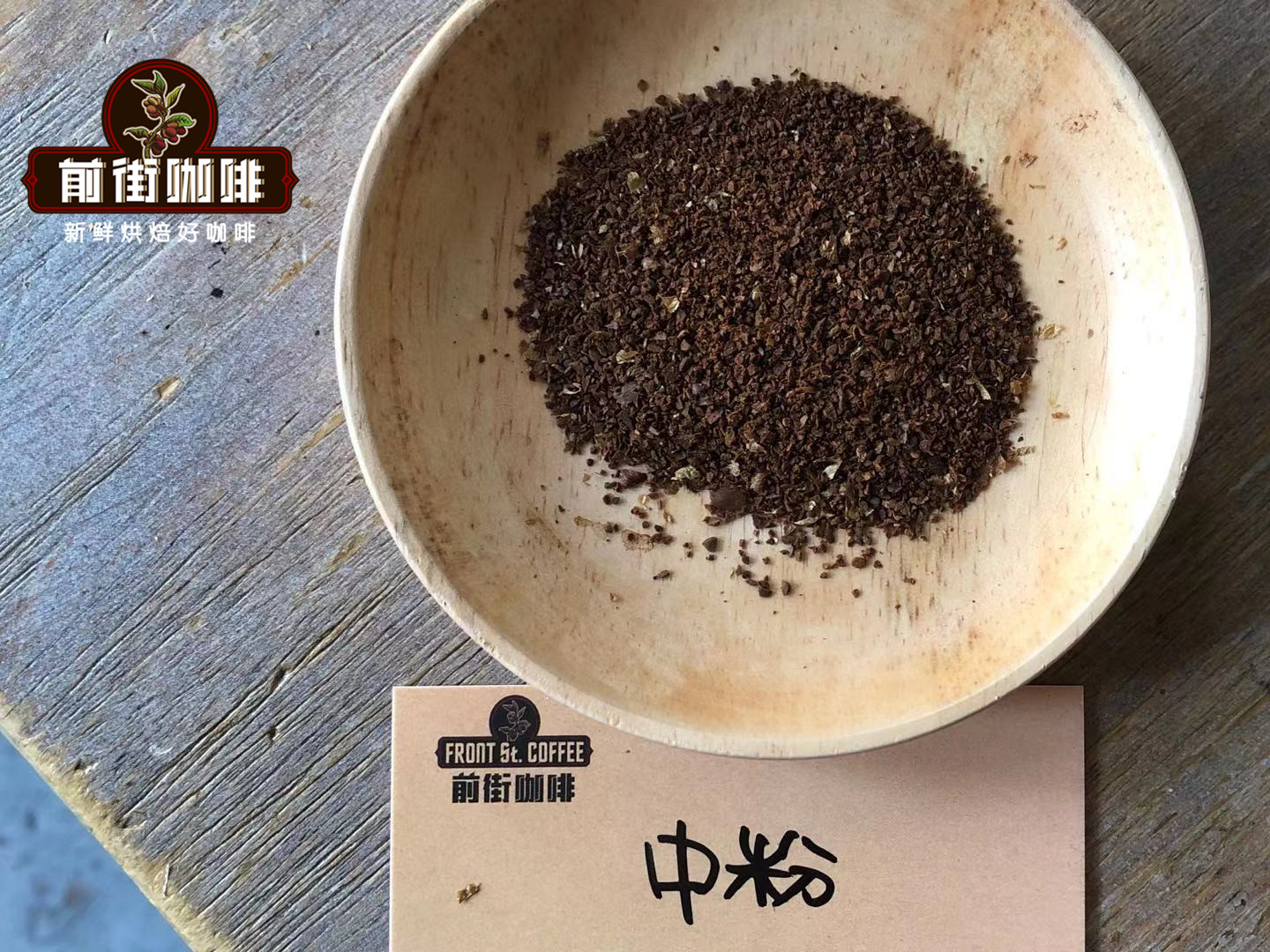
Grind size refers to the size of the coffee particles, and it affects the contact time between coffee and water. If the coffee grounds are finer, water can extract more substances in the same amount of time, but with a fine grind, the coffee is prone to over-extraction during brewing; conversely, the coarser the grind, the fewer substances are extracted in the same amount of time, but with a coarser grind, the coffee is prone to under-extraction. FrontStreet Coffee recommends using a pass rate of 80% through China standard No. 20 sieve as the pour-over grind size. This was obtained through many tests of mouthfeel. It should be noted that different coffee beans have different grind sizes, so when the pour-over flavor is off, you can check whether the grind size is the problem.
3. Coffee-to-water ratio
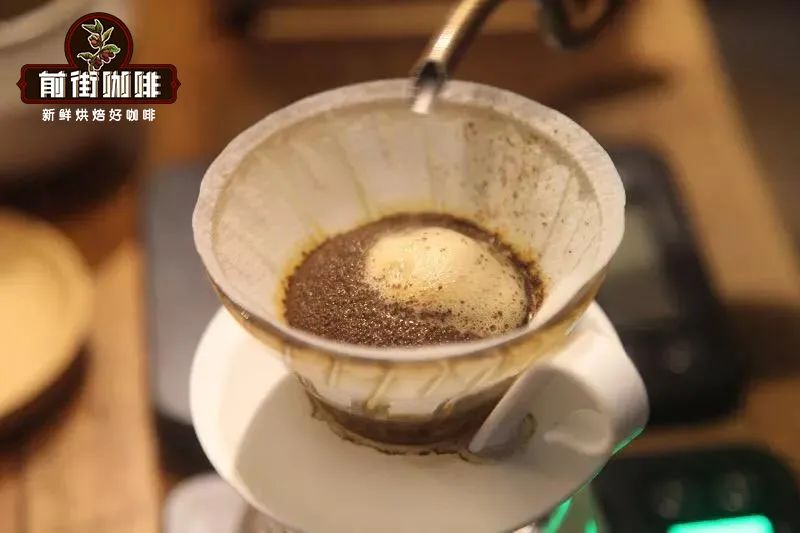
The coffee-to-water ratio refers to the ratio of coffee grounds to brewing water and affects how strong or weak the coffee is. It can be 1:10, 1:13, 1:15, or 1:16. FrontStreet Coffee recommends a 1:15 coffee-to-water ratio, which is relatively moderate in both strength and mouthfeel. Of course, everyone seeks a different coffee mouthfeel. When extracting coffee, everyone can adjust their own coffee-to-water ratio according to the strength and mouthfeel they want.
Pour-over coffee brewing method
After completing the steps mentioned above by FrontStreet Coffee, we come to the last step of pour-over coffee, which is the brewing technique. There are many kinds of brewing techniques, such as the three-stage brewing method, one-cut pouring method, and drip pouring method, all of which are feasible. Pour-over methods are diverse and varied, and you can choose according to personal preference. However, FrontStreet Coffee still recommends that beginner pour-over enthusiasts use the three-stage pouring method to brew, because this technique is suitable for light-roasted, medium-light, and medium-roasted coffee beans. The segmented extraction of three-stage pouring can clarify the flavors of the coffee's front, middle, and back sections and can better ensure the coffee's flavor presentation. FrontStreet Coffee's shop has also always used this brewing technique to serve coffee and ensure quality. Next, FrontStreet Coffee will teach coffee enthusiasts how to perform three-stage brewing.
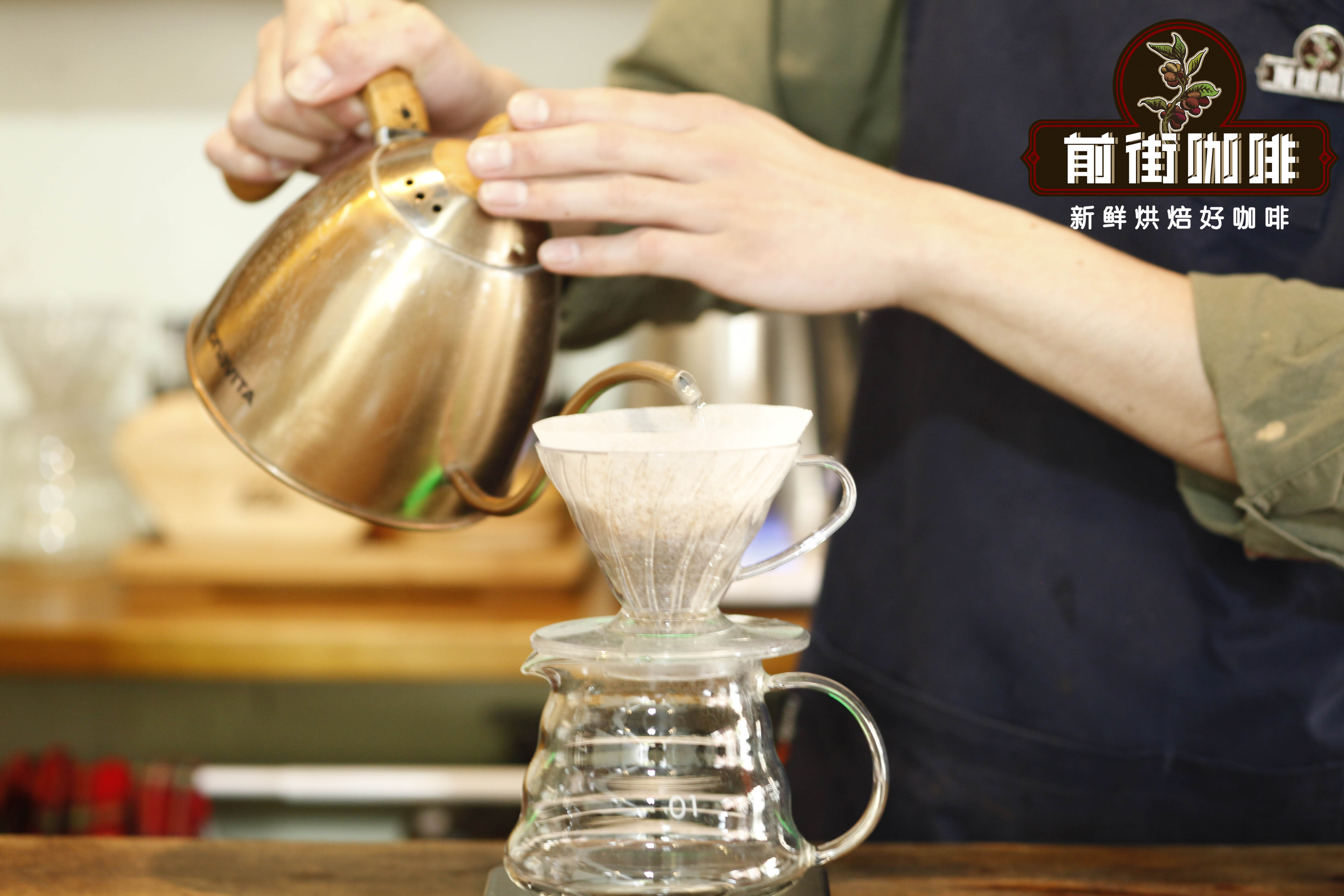
Three-stage brewing method process:
First pour: bloom (helps release gas)
During the roasting process in which green coffee beans become roasted beans, a series of chemical reactions and physical changes occur. After reaching a certain degree of roasting, a large amount of gas (mostly carbon dioxide) accumulates inside the coffee beans.
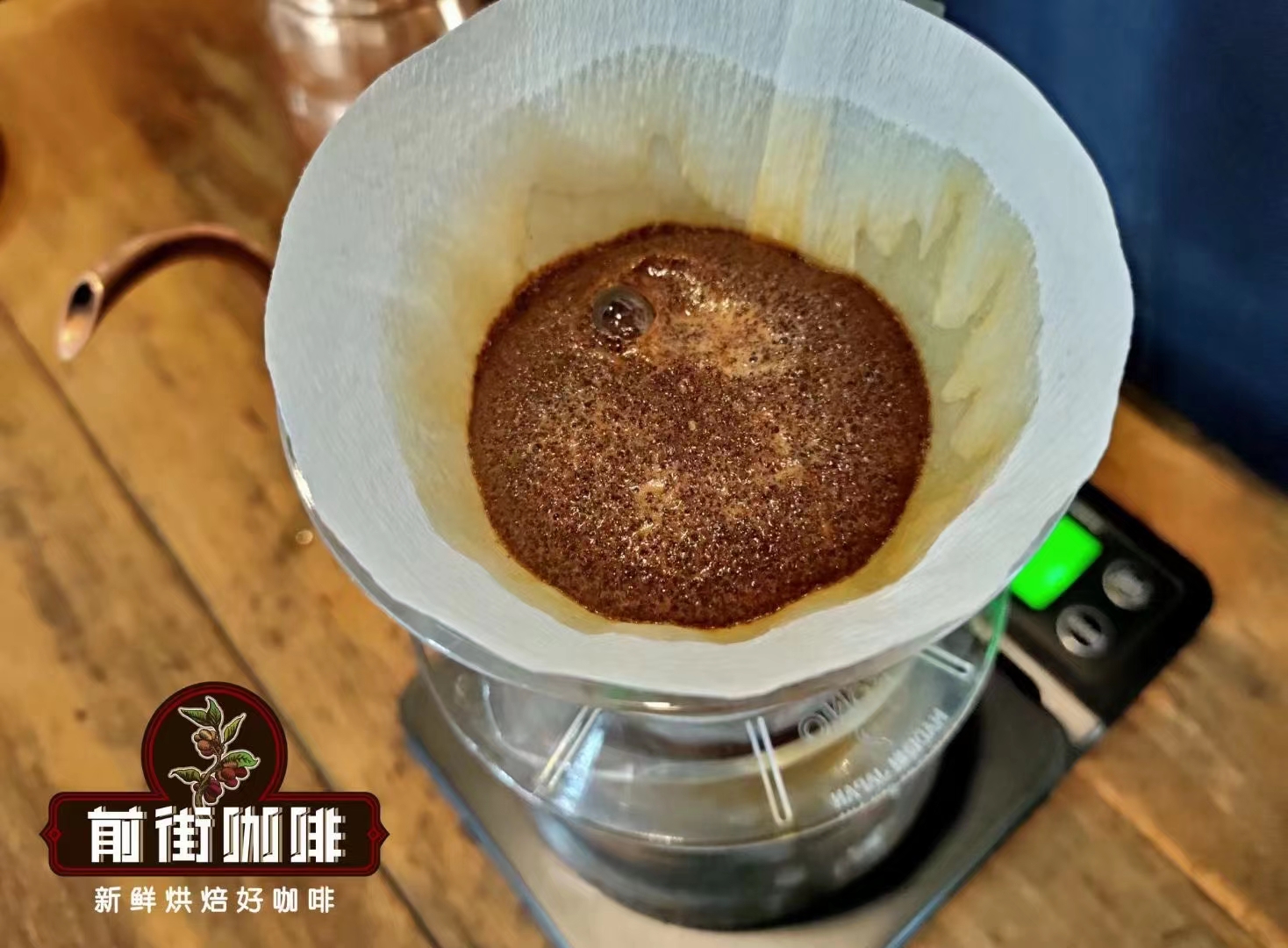
Generally speaking, the fresher the coffee and the closer to roasting, the more bubbles usually appear during blooming. Dark-roasted beans also release more gas during blooming than light-roasted beans. FrontStreet Coffee's coffee beans are all freshly roasted, so customers are generally advised to rest the beans for three days first, allowing the coffee beans to release carbon dioxide first, which can avoid instability and under-extraction during brewing.
After the gas is discharged during blooming, the coffee particles can absorb water evenly, which allows the later extraction to be even. A good bloom can allow the coffee grounds to quickly and fully release gas evenly while also allowing the coffee grounds to fully and quickly contact water, helping the coffee grounds be extracted evenly.
During blooming, pay attention to the following four points:
1. Before pouring water for the bloom, first level the coffee grounds.
2. Pour gently during blooming.
3. During blooming, let as little extracted liquid drip down as possible; when too much extracted liquid appears in the server, reduce the amount of water poured or pay attention to the grind size. (If there is too much water during blooming and a large amount of coffee liquid drips down, the falling water does not stay but directly carries out substances from the outside of the coffee grounds. The off-flavors and astringency from the outer layer of the coffee grounds also begin to dissolve out. The coffee brewed this way is both weak and has off-flavors from over-extraction. If there is not enough water during blooming and no water droplets drip down at all, then the coffee grounds have not absorbed enough water and some coffee has not released enough gas, causing under-extraction.) Based on this situation, FrontStreet Coffee found through many bloom tests that pouring water at twice the amount of coffee grounds during blooming is relatively appropriate.
4. The blooming time is about 30 to 40 seconds. When the expansion on the surface of the coffee grounds ends, you will see the coffee surface shrink, which means the bloom is complete and you can begin pouring water. (In terms of time, if the bloom is too long, the coffee is prone to bitterness and astringency; if the time is too short and the soak is insufficient, the coffee may be under-extracted or the coffee may not fully present itself.) Generally speaking, the end time of blooming differs for each bean, but FrontStreet Coffee found that this is not conducive to beginners' operation. After all, what beginners value is standardization and ease of use. Therefore, while ensuring that the coffee beans are still in a freshly roasted state, FrontStreet Coffee recommends a blooming time of 30 seconds. Of course, experienced people can adjust the time themselves.
Second pour
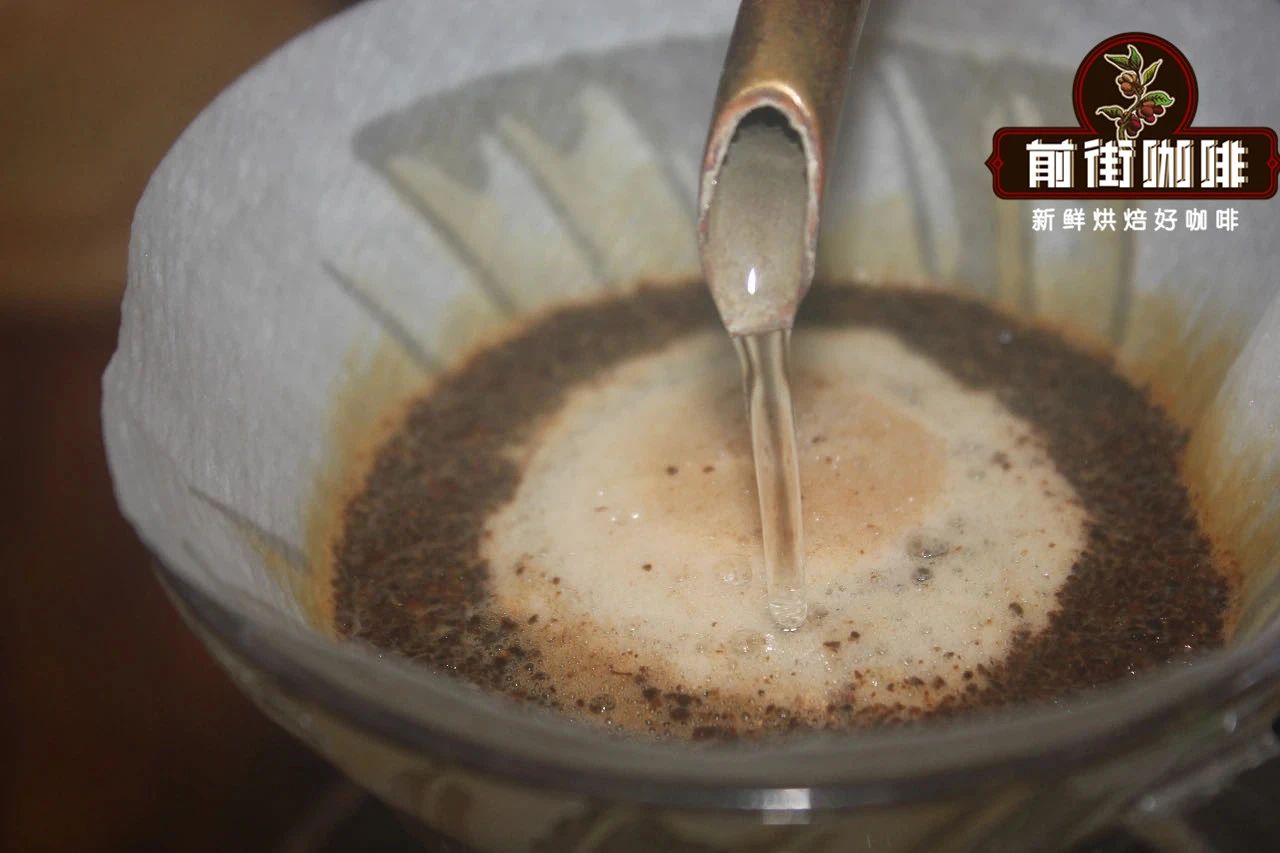
The second pour starts from the center, injecting a small stream into the bottom of the coffee bed. In order to concentrate the penetration of the stream, the circling range should be small, about the size of a one-yuan coin, and then expand outward. From the start of the second pour, pay attention to the water level and try not to exceed the height of the coffee bed. That is, when the stream circles close to the filter paper, you can stop pouring.
Third pour
As the originally thicker coffee bed near the edge of the filter paper becomes heavier from absorbing water, it slides down and becomes thinner as the water level drops. When the water level drops by half, you can proceed with the third pour.
From the start of the third pour, observe the extent to which the water level drops. Likewise, start pouring from the center and circle outward, and do not let the water level exceed the height of the coffee bed. At this time, you will also observe that the foam ratio has covered the surface. The third pour should increase the tumbling of the coffee particles so that all the settled particles tumble and thereby dissolve soluble substances.
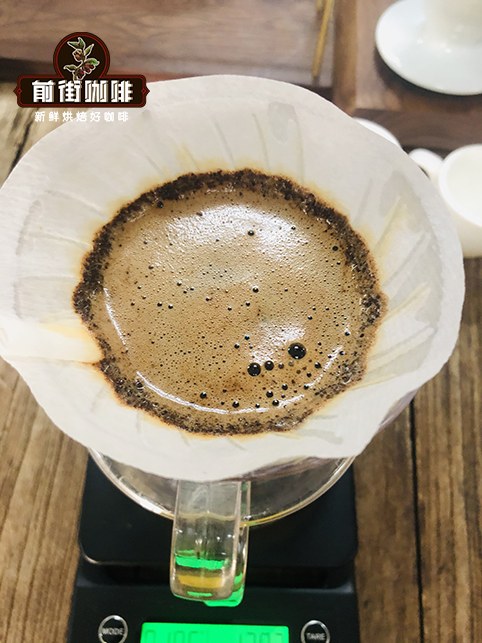
The tumbling particles will begin to settle because the water is stopped. At this time, the flow rate caused by the dropping water level is needed to make the coffee particles rub against each other. So once pouring stops, the coffee particles sink downward and cause clogging, so pay special attention to the rhythm of pouring. If pouring is interrupted too many times, it is equivalent to letting the coffee particles stay soaked in water all the time, which will cause the final stage of coffee extraction to produce astringency and off-flavors.
Finally, you get a cup of coffee brewed by your own pour-over. Taste it and see whether the flavors that the coffee beans should present have been brewed out.
The above is the relevant content compiled by FrontStreet Coffee on how to make pour-over coffee at home yourself. We hope it can help coffee enthusiast friends who want to make pour-over coffee at home themselves.

Light Roast Pour-Over Floral Coffee Beans Recommendation: Qianjie Yirgacheffe Gedeo Dingding, Qianjie Panama Hacienda La Esmeralda Green Label Geisha Coffee Beans, QianjiePanama Butterfly Coffee Beans
Daily medium-light roast Yirgacheffe pour-over floral coffee bean recommendation, Qianjie Yirgacheffe Guddina, light roast brings the signature white floral notesAromatic, with lemon-citrus fruit notes and a refreshing floral tea note; bright and crisp on the palate. Great value and an ideal entry-level pour-over coffee with floral and fruity notesAn unrivalled choice.
Moka pot, home espresso, and espresso-based milk drinks like latte — recommended beans: Qianjie Classic Espresso Blend, using BrazilianWest, with Mandheling Arabica and a small amount of Vietnamese Robusta fully blended, delivering a rich and outstanding espressocrema; overall style is rich and memorable. Qianjie Brazil Queen's Estate coffee beans and Qianjie Classic Espresso Blend coffee beans are both mochaA highly recommended option for pot-style espresso machines.
Fruity-floral signature espresso latte bean recommendation: Qianjie Strawberry Candy espresso blend, featuring strawberry gummy and rose aromas,Full-bodied sweetness with a grape and almond finish; especially stunning as an iced latte. Made from Costa Rican honey-process beans, PanamaBlended from Panama Geisha coffee beans and select beans from Colombia's Huila region. Not only does it overturn traditional espresso flavor, the cremaalso performs well, with impressive showings in creative specialty drinks.
Now available on Taobao store「 Qianjie Coffee 」To purchase the above coffee beans, Qianjie Coffee offers dozens of selected single-origin pour-over and espresso coffee beans from around the world. Qianjie CoffeeQianjie Coffee is a veteran specialty coffee roaster; beans are freshly roasted within 5 days, with consistent quality and highly competitive pricesGreat value, ships within 24 hours. Qianjie Coffee is recommended by many coffee lovers and platforms.
Taobao Qianjie Coffee Link: https://qianjiecoffee.taobao.com
Or search our shop directly on Taobao 「Qianjie Coffee」
Qianjie Coffee Store Address: 315 Donghuadong Road, Yuexiu District, Guangzhou

Site Recommendations: 耶加雪菲 花魁咖啡 瑰夏咖啡 波旁咖啡 蓝山咖啡 天堂鸟咖啡豆 曼特宁咖啡豆 PWN黄金曼特宁 星巴克菜单 咖啡豆种类
Please indicate the source when reprinting.
2018-05-02 19:29:36
