Ice drip and cold brew both belong to low-temperature extraction, with water temperature controlled between 0 and 7°C. The extraction efficiency is low, and fewer large-molecule bitter substances are released, so the finished product is refreshing with rich sweet-and-sour flavors. Also, precisely because low temperatures make it difficult to bring out the large-molecule aromatic compounds of medium-to-dark roasts, when choosing beans it is more suitable to use light-to-medium roast single origins with floral and fruity aromas, pronounced sweetness and acidity, or fermented notes—you can even blend two beans together to create more complex layers. Beans with a roast date of about 20 days are ideal; beans that are too fresh degas vigorously, and the coffee bed tends to swell and form channels, causing uneven extraction.
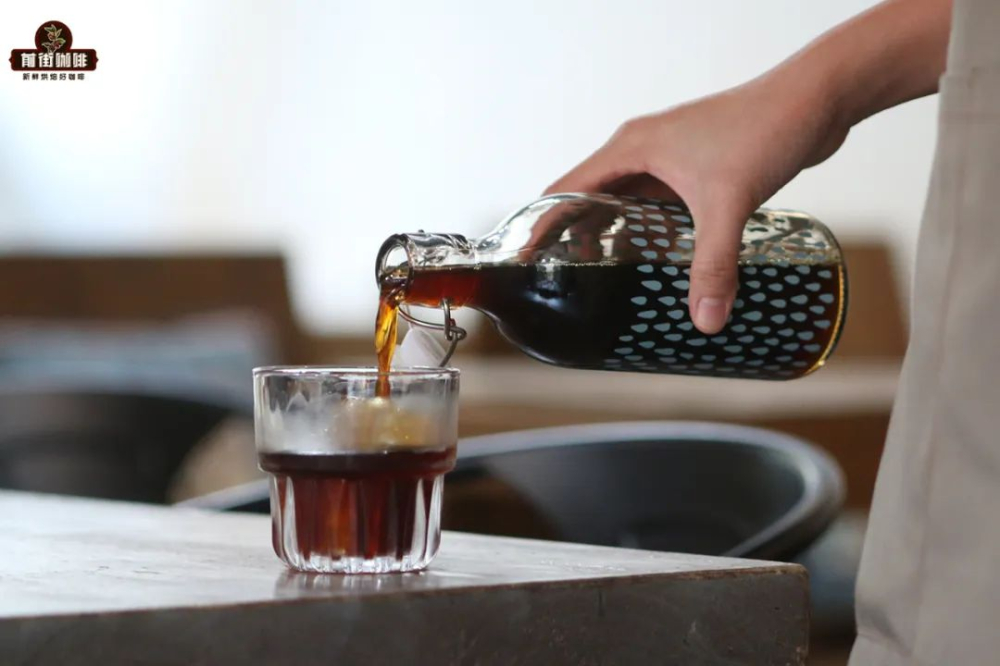
What makes a good cup of ice drip coffee? There is no detailed standard—everyone has their own methods and standards. What details should be paid attention to when making ice drip coffee—bean selection, grind size, coffee-to-water ratio, drip rate, storage and shelf life, and so on—this article today will cover all kinds of operational details.
1. Coffee beans for making ice drip
Cold brew and ice drip are both low-temperature extraction coffee brewing methods, with the temperature at which water contacts the coffee grounds controlled between 0 and 7°C. The advantage of low-temperature extraction is that, by utilizing the low efficiency of low-temperature extraction, it reduces the release of large-molecule bitter substances, so the ice drip coffee we drink is refreshing with rich sweet-and-sour flavors.
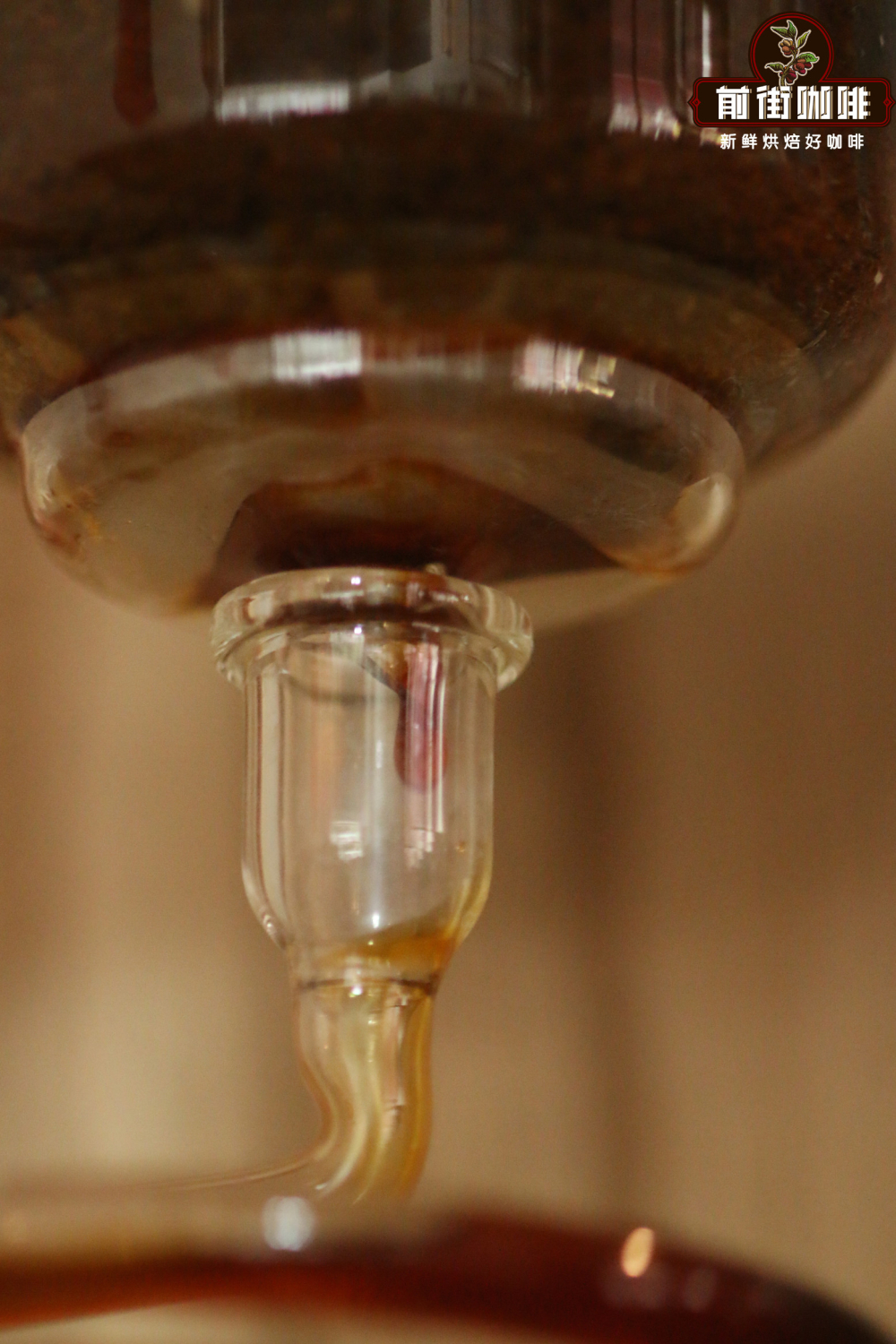
Since ice drip cannot use high-temperature water to extract the large amount of aromatic substances in the coffee grounds—especially the large-molecule aromatic compounds that are the highlight of medium-to-dark roasts and are difficult to dissolve in ice water—light-to-medium roasted coffee beans with floral and fruity aromas, pronounced sweetness and acidity, or fermented aromas are usually used.
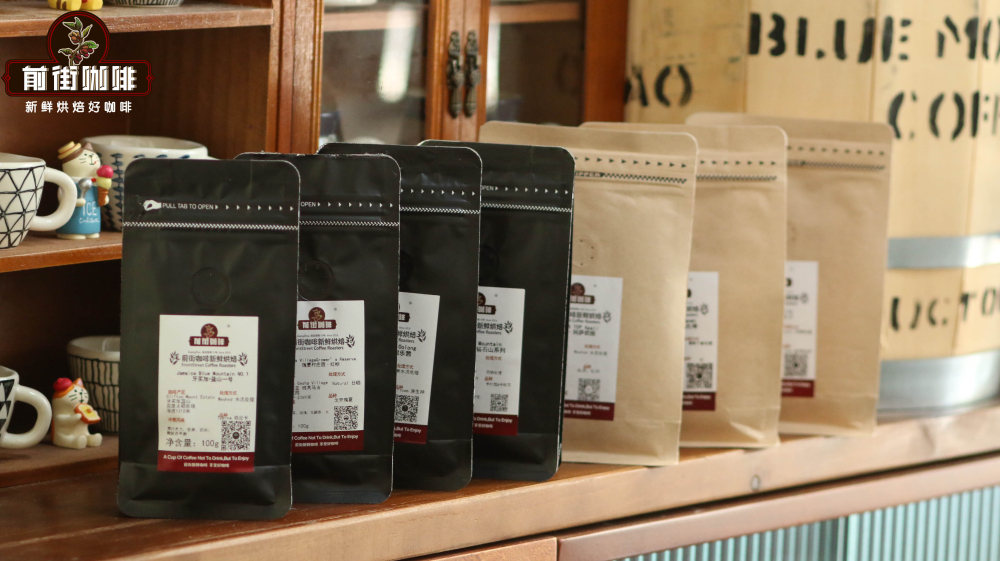
Among these, single-origin coffee beans with unique flavors are recommended first. If you like highly sweet iced coffee, you can use beans rich in ripe-fruit flavors such as Front Street Hiru, Front Street Strawberry Candy, and Front Street Elto; but if you prefer acidic coffee, you might start with Front Street Little Tomato, Front Street Gutingting, and Front Street Huakui. Of course, Front Street sometimes also blends two coffee beans together, hoping to create ice drip coffee with more complex flavors—for example, today's recipe is 20 grams of Front Street Strawberry Candy + 40 grams of Front Street Red Cherry, and the resulting iced coffee carries candied fruit, sweet orange, and rose floral aromas, and after drinking it also presents a fresh lingering charm like lemon and berries.
Front Street recommends that coffee beans for making ice drip preferably have a roast date of about 20 days, because freshly roasted coffee beans release a large amount of carbon dioxide gas. When ice water drips into the ground coffee, gas is continuously released, the coffee bed easily swells and bulges, and finally a channel effect forms, resulting in uneven extraction and greatly diminished coffee flavor.
2. The importance of leveling the coffee grounds
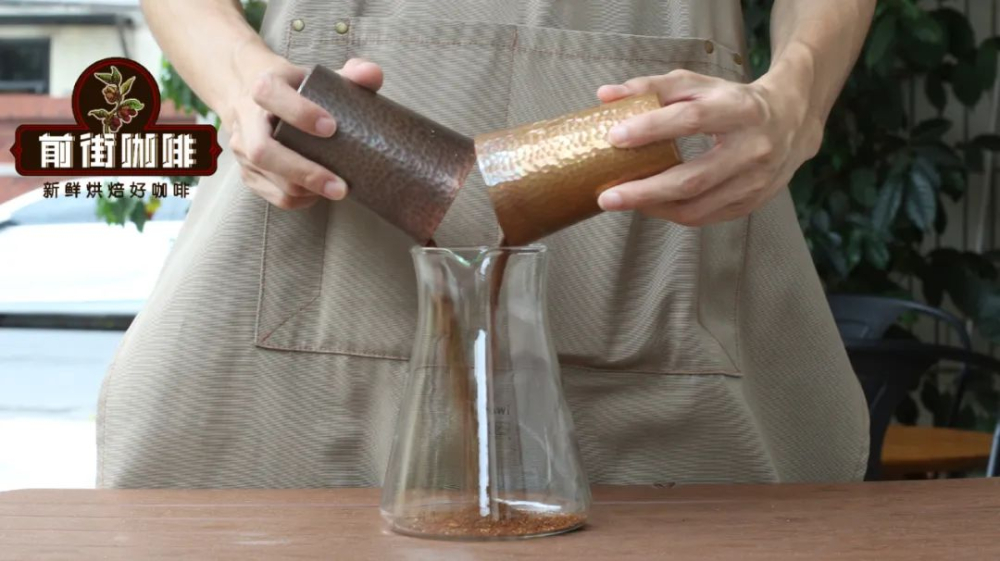
Ice drip coffee must be tamped—many people don't understand why ice drip coffee also needs tamping.
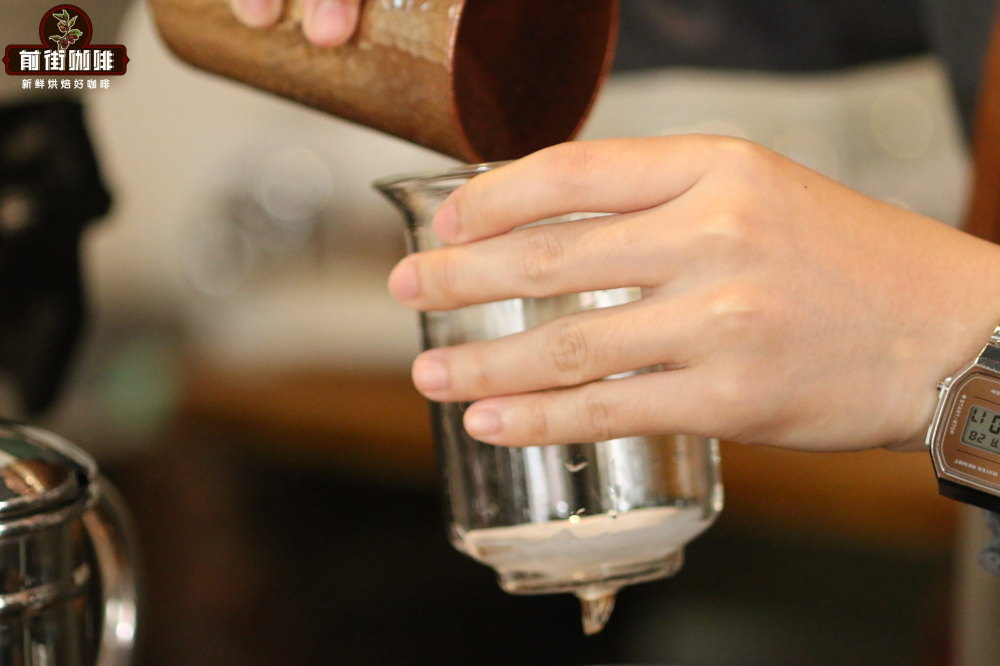
Here, note that tamping ice drip coffee does not mean pressing it firm; rather, first gently tap the grounds so that the structure of the coffee grounds in the filter cylinder remains even, then use a flat-bottom tamper to gently level it. Remember to press gently and level it, not press it firmly like when extracting espresso. If you press too firmly during tamping, since ice drip coffee does not have the pressure of a coffee machine to drive extraction, it easily causes water to accumulate in the coffee bed and the coffee liquid cannot filter through. Moreover, the filter paper or filter screen of ice drip is generally at the bottom, unlike a coffee dripper which has air-permeable ridges, so once the coffee grounds are soaked in water, degassing is also affected, and at this point the entire puck undergoes uneven extraction.
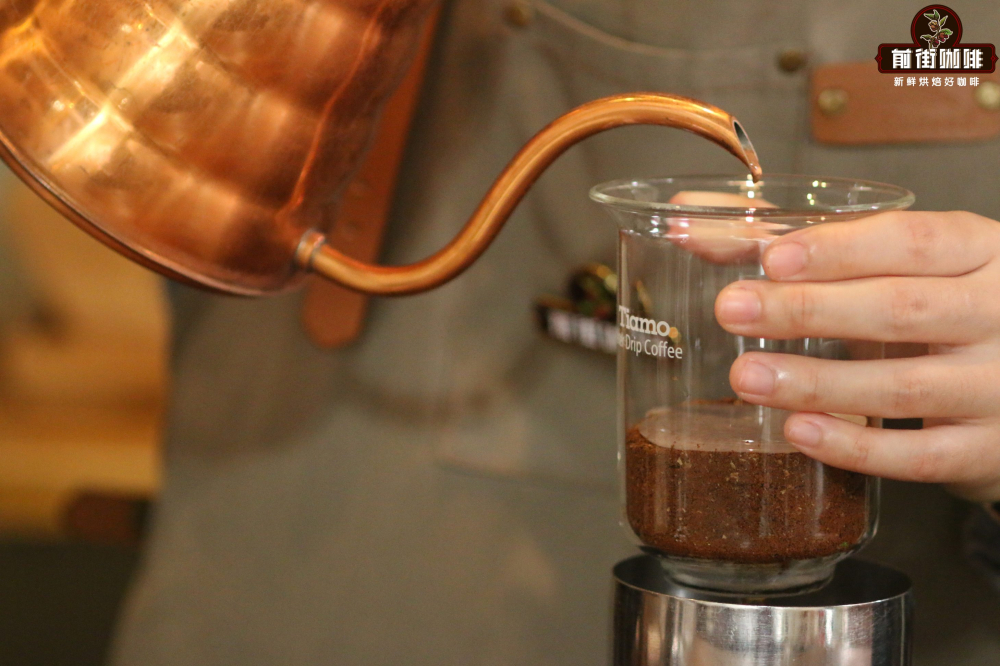
3. Pre-wetting
Using ice water to "pre-soak" is actually similar to the blooming process in pour-over, which can improve extraction effectiveness and consistency of the final product. In the case of ice drip's low-temperature, filtration-type extraction, dripping directly may cause uneven wetting of the coffee bed—part of the coffee grounds is over-extracted while another part does not participate in extraction at all. Pre-wetting in advance can also save preparation time.
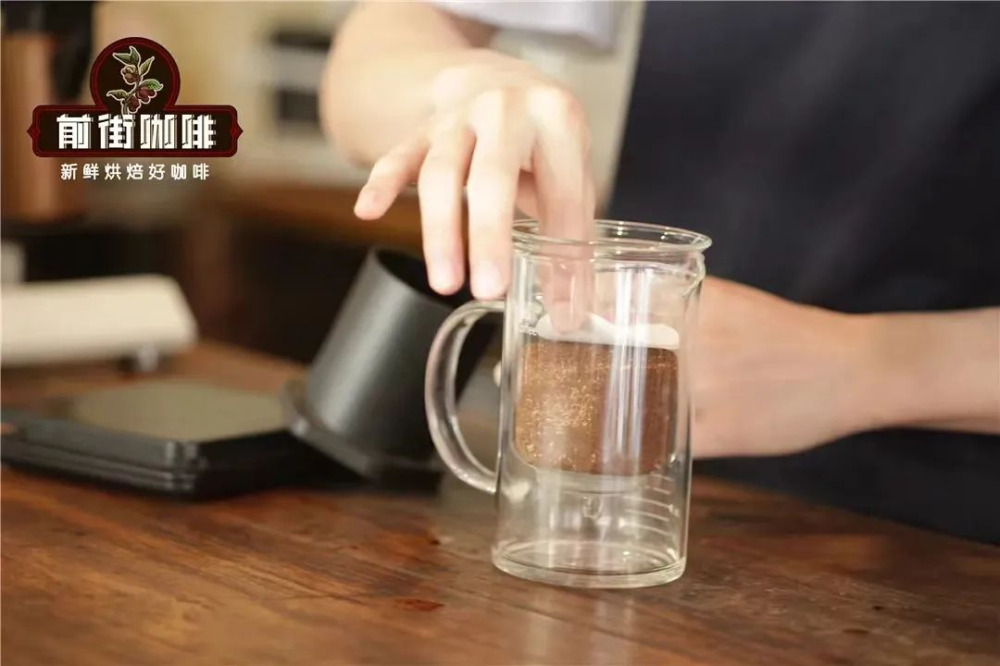
4. Place a round filter paper on top of the powder chamber
This reserves enough pre-soaking and breathing space for the coffee, and the extracted coffee flavor is more complete and clean. After leveling the coffee grounds, we place a sheet of filter paper on top of the coffee grounds, which increases the contact area between water drops and coffee grounds and ensures even extraction. When a water drop falls and touches the coffee grounds, the surface of the coffee grounds will slowly be hollowed into a small pit, and the water flow will follow this small pit downward rather than spreading out to the surroundings, so the coffee grounds in the entire powder bottle will not be fully saturated, causing insufficient extraction. Laying a sheet of filter paper on top avoids this situation.
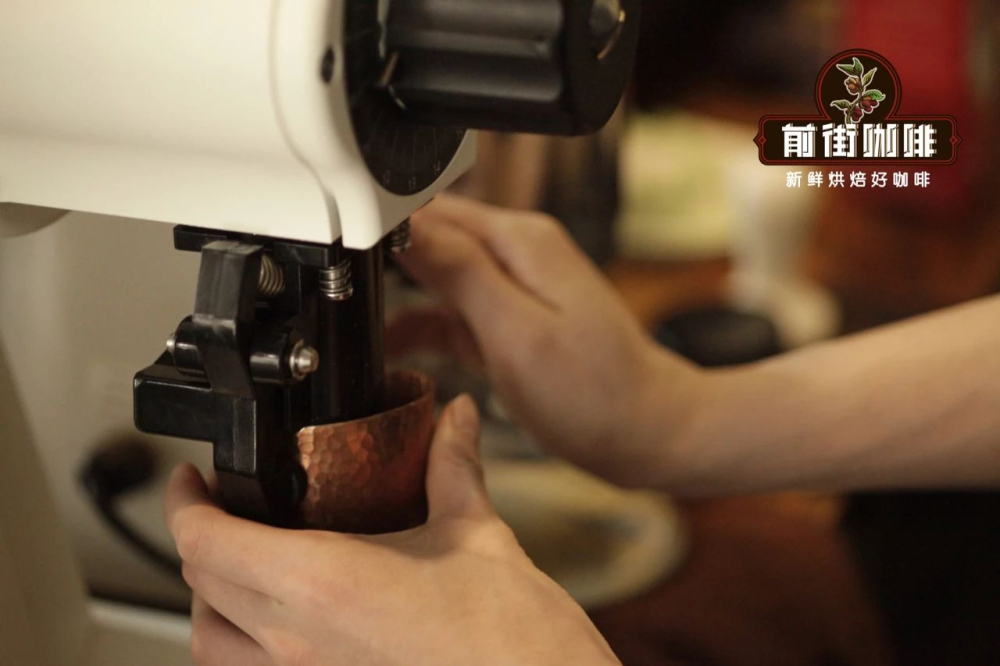
5. Find the right coffee grind size
The grind size for Front Street ice drip coffee has an 80-85% pass rate through the Chinese No. 20 standard sieve. We all know that if coffee grounds are ground too coarse, the coffee taste will be weak; if ground too fine, the coffee will be strong and bitter. Similarly, if the coffee grounds are too coarse there is no flavor, and if too fine they easily cause clogging and prevent normal drainage, thereby making the coffee bitter, so choosing the right grind size is very important.
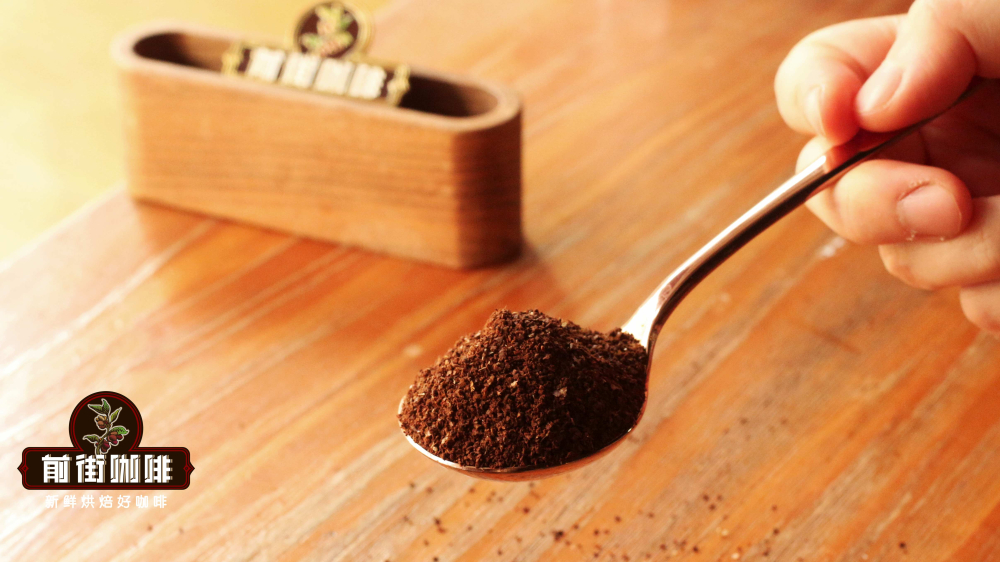
This time we use the refreshing Kenya Little Tomato coffee beans for preparation. The extraction rate at low temperature is lower, so Front Street recommends using a slightly finer grind than for pour-over. Here we use a Chinese No. 20 standard sieve pass rate of 82%; the shop's ek43s grinder is at the 9.5 mark, and the hand grinder C40 is at 20-22 clicks.
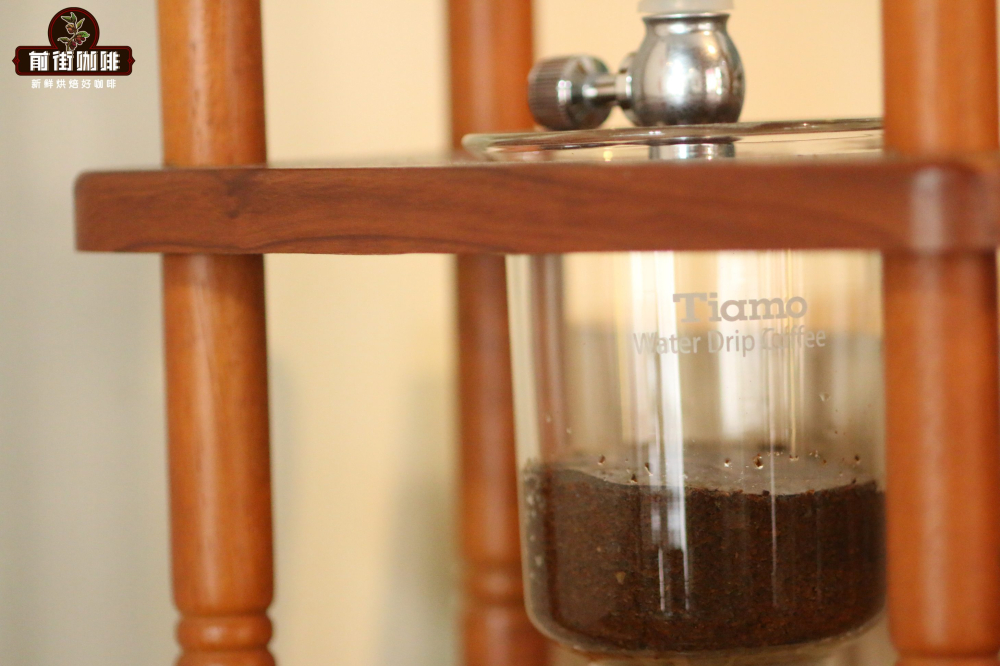
6. Control the drip rate and the coffee-to-liquid ratio
This is similar to the flow rate in pour-over, but the ice drip flow rate is calculated by drops per second. The slower the flow rate, the longer the total time required, and the easier it is to over-extract. Front Street generally uses 7 drops per 10 seconds for extraction; everyone can adjust the flow rate according to their own preference. The coffee-to-liquid ratio is 1:10. Since Front Street's finished ice drip coffee is served diluted with ice cubes, a higher concentration is used; if making it at home, you can extract at 1:12-1:14.
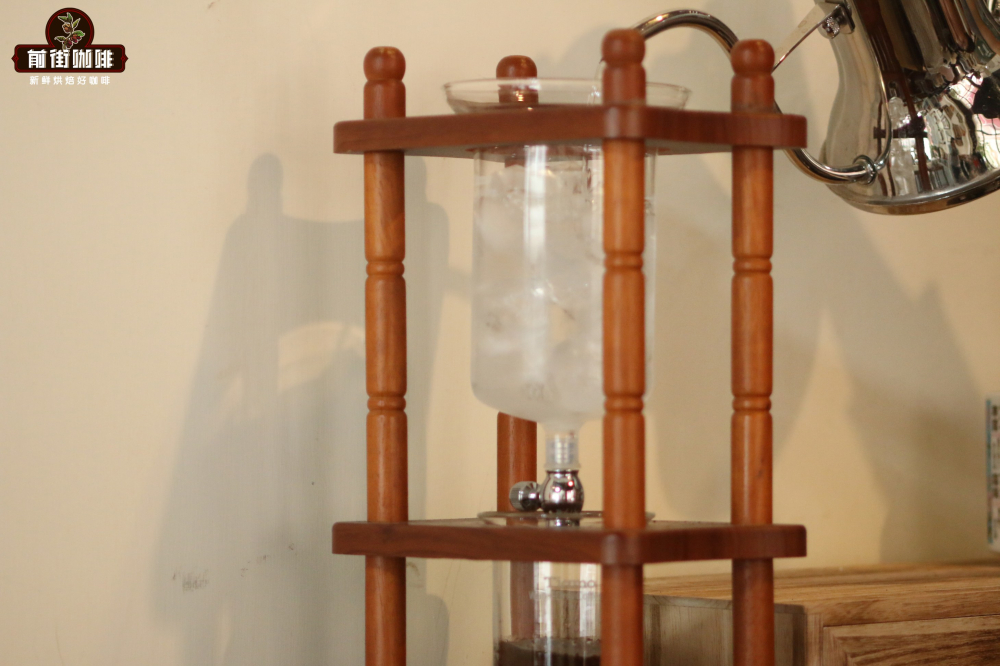
Front Street makes ice drip by grinding 60g of coffee beans into powder, placing a round filter paper in the powder chamber, pouring in the coffee grounds, and finally laying another sheet of filter paper on the surface, then wetting the coffee grounds with water, which can save drip time and avoid uneven extraction. Fill the upper pot with an ice-water mixture, i.e., ice and water 1:1, to extract a total of 600g of coffee liquid.
7. Drink after refrigeration
Front Street generally pours the finished ice drip coffee into a glass bottle with a sealing gasket and places it in the refrigerator to rest for 12 hours before drinking. Pouring it into a glass bottle allows coffee liquids of inconsistent concentration to mix, and choosing a container with good sealing performance ensures it is not contaminated by the outside. The refrigerator surface looks clean, but in reality there are many microorganisms invisible to the naked eye.
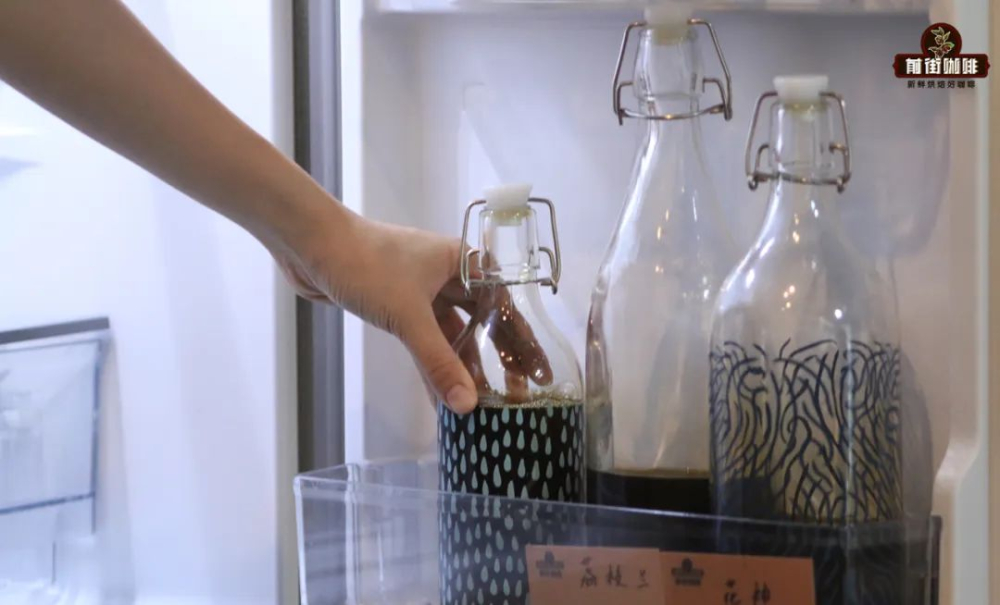
Placing it in the refrigerator for 12 hours of low-temperature fermentation will give the ice drip coffee an aromatic fermented aroma, and the original flavors also become richer. Fermentation is very common in daily life; uncontrolled fermentation will cause food to spoil and deteriorate. In a low-temperature environment this process can be effectively slowed down, and Front Street has also verified that ice drip coffee made from most coffee beans tastes best after 12 hours of chilling.
Professional coffee knowledge exchange, more coffee bean information, please follow Coffee Workshop (WeChat public account: cafe_style)
For more specialty coffee beans, please add the private WeChat of Front Street Coffee, WeChat ID: qjcoffeex

Light Roast Pour-Over Floral Coffee Beans Recommendation: Qianjie Yirgacheffe Gedeo Dingding, Qianjie Panama Hacienda La Esmeralda Green Label Geisha Coffee Beans, QianjiePanama Butterfly Coffee Beans
Daily medium-light roast Yirgacheffe pour-over floral coffee bean recommendation, Qianjie Yirgacheffe Guddina, light roast brings the signature white floral notesAromatic, with lemon-citrus fruit notes and a refreshing floral tea note; bright and crisp on the palate. Great value and an ideal entry-level pour-over coffee with floral and fruity notesAn unrivalled choice.
Moka pot, home espresso, and espresso-based milk drinks like latte — recommended beans: Qianjie Classic Espresso Blend, using BrazilianWest, with Mandheling Arabica and a small amount of Vietnamese Robusta fully blended, delivering a rich and outstanding espressocrema; overall style is rich and memorable. Qianjie Brazil Queen's Estate coffee beans and Qianjie Classic Espresso Blend coffee beans are both mochaA highly recommended option for pot-style espresso machines.
Fruity-floral signature espresso latte bean recommendation: Qianjie Strawberry Candy espresso blend, featuring strawberry gummy and rose aromas,Full-bodied sweetness with a grape and almond finish; especially stunning as an iced latte. Made from Costa Rican honey-process beans, PanamaBlended from Panama Geisha coffee beans and select beans from Colombia's Huila region. Not only does it overturn traditional espresso flavor, the cremaalso performs well, with impressive showings in creative specialty drinks.
Now available on Taobao store「 Qianjie Coffee 」To purchase the above coffee beans, Qianjie Coffee offers dozens of selected single-origin pour-over and espresso coffee beans from around the world. Qianjie CoffeeQianjie Coffee is a veteran specialty coffee roaster; beans are freshly roasted within 5 days, with consistent quality and highly competitive pricesGreat value, ships within 24 hours. Qianjie Coffee is recommended by many coffee lovers and platforms.
Taobao Qianjie Coffee Link: https://qianjiecoffee.taobao.com
Or search our shop directly on Taobao 「Qianjie Coffee」
Qianjie Coffee Store Address: 315 Donghuadong Road, Yuexiu District, Guangzhou

Site Recommendations: 耶加雪菲 花魁咖啡 瑰夏咖啡 波旁咖啡 蓝山咖啡 天堂鸟咖啡豆 曼特宁咖啡豆 PWN黄金曼特宁 星巴克菜单 咖啡豆种类
Please indicate the source when reprinting.
2025-08-26 13:34:09
