
Sumatra Region2018-10-02
苏门答腊托巴湖咖啡故事 星巴克苏门答腊咖啡豆多少钱一包?
苏门答腊托巴湖是世界上最大的火山湖,也孕育了风味独特的曼特宁咖啡。文章从星巴克臻选卡片的设计讲起,梳理托巴湖的地理成因与湖畔种植条件,并谈及星巴克苏门答腊咖啡豆的参考价格,读者可从中读懂这片产区与一杯咖啡的关联。
苏门答腊托巴湖是世界上最大的火山湖,也孕育了风味独特的曼特宁咖啡。文章从星巴克臻选卡片的设计讲起,梳理托巴湖的地理成因与湖畔种植条件,并谈及星巴克苏门答腊咖啡豆的参考价格,读者可从中读懂这片产区与一杯咖啡的关联。
苏门答腊蜜处理曼特宁咖啡豆的风味特点是什么,TP又代表什么含义?从产地品种的复杂性到蜜处理工艺,再到棉兰出口加工厂的多道手选流程,说明这款曼特宁在醇厚基调之外呈现的甜感与干净度,并交代TP在生豆分级语境中的所指。
苏门答腊咖啡豆品种多样,亚齐曼特宁产区常见Tim-Tim、Ateng、Typica与Rasuna等品种,采用湿刨法处理,风味偏无花果干、桂花与香料,低酸而醇厚。文章梳理这些品种的来源与差异,重点比较longberry与Rasuna在豆形和杯测表现上的不同,供选豆时参考。
苏门答腊塔瓦尔之星咖啡来自亚齐省迦幼山脉,文章记录了当地高海拔多雨的风土条件、迦幼人的种植传统,以及湿刨法如何塑造出低酸高醇厚的曼特宁风味,并列出产区、等级与品种信息,适合想深入了解印尼咖啡的读者。
苏门答腊是印尼最重要的咖啡产区之一,曼特宁等名豆以浓郁泥土香与厚重醇度著称。文章介绍印尼咖啡的产量结构与罗布斯塔为主的生产格局,讲述苏门答腊咖啡豆的故事,并梳理两湖两曼等产区名称背后的风味差异。

星巴克臻选苏门答腊葛林芝咖啡豆的风味从产地讲起,文章介绍苏门答腊岛亚齐与北苏门答腊的阿拉比卡产区、火山土壤与遮荫种植方式,并解释当地特有的湿刨法如何处理生豆,以及它赋予咖啡的泥土香气与低酸口感。
苏门答腊曼特宁咖啡的湿刨法,是理解其独特风味的关键。文章讲述湿刨法在高温高湿环境下的由来与操作步骤,并说明它与水洗、日晒处理法的差别,读者可从中明白曼特宁的草本与香料气息究竟从何而来。
印尼咖啡种植面积居世界前列,本文从荷兰殖民时期传入咖啡苗的历史讲起,介绍爪哇、苏门答腊与苏拉威西三大产区的风味差异及对应的知名品牌,重点说明曼特宁咖啡豆的浓香低酸特点,并提及麝香猫咖啡的由来,帮读者判断曼特宁哪个品牌更值得尝试。
亚洲咖啡豆主要生产国集中在云南、印尼等地,风味以香料与草本植物调性为主。文章梳理亚洲咖啡产区的分布与特点,重点介绍云南保山等地的种植条件、卡蒂姆品种的推广,以及杯测流程中对香气、酸质与醇厚度的评判方式。
印尼咖啡以粗犷原生态的风格为人所知,巴厘岛等地出产的咖啡沉淀物偏多,喝法随性。文章围绕印尼咖啡的产地特点与常见品牌展开,介绍当地咖啡豆、手信与购物场景,帮助读者认识印尼咖啡的多样面貌。
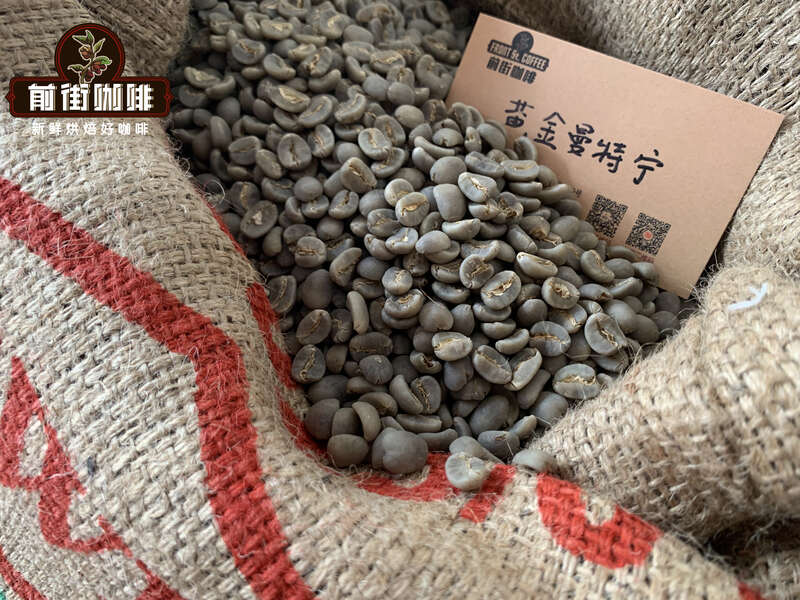
印尼精品咖啡豆推荐绕不开黄金曼特宁,梳理PWN公司对这支豆子设定的十八目以上、瑕疵豆少于三颗的G1筛选标准,以及Ateng品种在亚齐产区的表现,并对比不同庄园出品在酸质与醇厚度上的差异,供挑选印尼豆时参考。
猫屎咖啡指用麝香猫粪便排出的咖啡豆制成的咖啡,Kopi Luwak是品类而非品牌。文章解释印尼野生原豆价格居高的原因,对比菲律宾与越南产区的差异,并说明人工喂饲豆在选豆与品质上的参差。
印尼咖啡哪个品牌好是许多入门者的疑问,文章从印尼咖啡的产区与风味特点说起,介绍曼特宁等代表性咖啡的醇厚风格与背后故事,并结合日常饮用场景讨论如何挑选适合自己的印尼咖啡豆与品牌,为想尝试印尼咖啡的读者提供思路。
The origins and flavor of Indian Monsooned Malabar coffee are quite legendary. This article tells the story of coffee turning yellow after absorbing sea moisture during long sailing voyages to Europe and unexpectedly developing nutty, grainy flavors, as well as how Indian exporters switched to simulating ship cabin conditions with monsoon winds after the Suez Canal opened, and compares Monsooned Malabar with Mysore Nuggets.
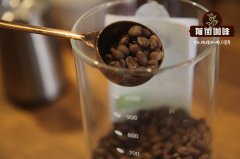
Toraja is a specialty coffee bean produced on the Indonesian island of Sulawesi. Since the Dutch colonial era, it has been classified as a specialty coffee due to its scarce production. This article describes the origin background of Toraja and the harvesting habits of farmers, and analyzes the reasons for its smooth mouthfeel, helping readers understand why this Indonesian national treasure coffee bean is gradually gaining popularity in various countries.
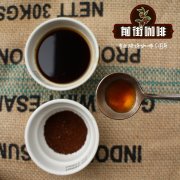
Sumatra coffee from Indonesia is represented by Mandheling, whose flavor comes from the combined effects of soil, altitude, variety, processing methods, and aging methods. This article introduces the main varieties and growing regions of Indonesian coffee beans, analyzes the processing methods of Mandheling, and presents the unique terroir conditions of this major coffee-producing country.

Sumatra coffee beans are known for their rich, low-acidity flavor and are suitable for drinkers who prefer bold, full-bodied tastes. This article begins with the author's frequent coffee-drinking experiences in recent years, documenting the process of learning to select coffee beans at a bean-picking institute in Taipei, as well as the experience of tasting three rare beans at once, offering a tasting perspective with a Starbucks tasting theme.
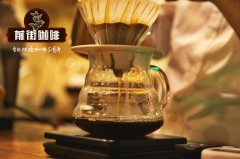
Sumatra Mandheling coffee beans grow in a unique environment and soil, offering woody notes and a full-bodied mouthfeel. Centered on Starbucks' tasting theme, this article covers Mandheling's origin story, its herbal and cocoa flavors, and how it is used as both a single-origin and blended coffee.
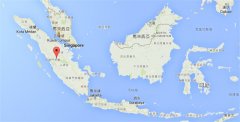
Sumatra coffee beans are best represented by Mandheling. This article reviews its Typica variety, washed and traditional processing methods, and altitude conditions, describes its rich body, low acidity, and herbal aroma, and clearly explains this classic coffee's distinctiveness in mouthfeel and flavor.